
Boston Bikes Asset Management Improvement
We developed a mix of technical and non-technical tools to streamline operations, improve bike tracking, and support staff workflows.
Managing a fleet of 400+ bikes with spreadsheets created major challenges for Boston Bikes, from tracking bike locations to coordinating repairs and event logistics. By working directly with staff to map workflows and identify pain points, we developed a suite of tools and resources that improved fleet visibility, streamlined operations, and reduced administrative burden.
Names of Contributors: Millan Andreoli, Jeffrey Kaplan, Kayleigh Vocca
Verticals Involved: Performance and Innovation and Geospatial Analytics
Departments Involved: Boston Transportation Department (BTD)
Year(s): 2025-2026
-
Still have questions? Contact:
Analytics Team
-
 1 City Hall Square, Room 703
Boston, MA 02201
Innovation and Technology
-
1 City Hall Square
Room 703Boston, MA 02201-2021


THE CHALLENGE
Boston Bikes manages a growing fleet of more than 400 bicycles that support community programming across Boston, including youth bike education, adult learn-to-bike workshops, and community events. These programs rely on having the right bikes in the right place at the right time, while also ensuring bikes are safe and ready to use.
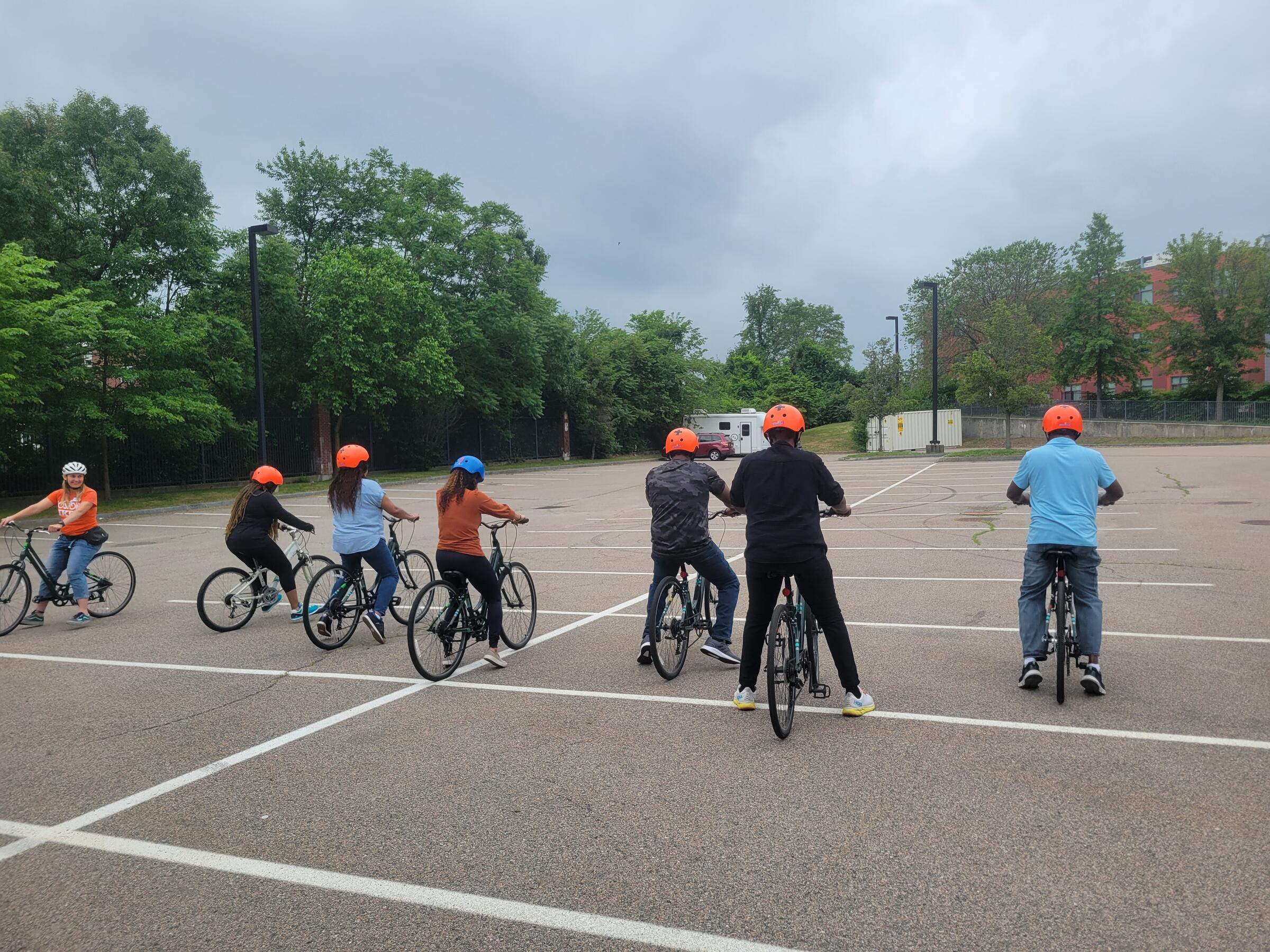
The team previously relied on multiple spreadsheets to manage fleet logistics, repairs, and event planning. Because staff frequently work in the field, the existing process made it difficult to accurately track bike locations, monitor repair needs, and coordinate bike availability across programs. As a result, staff spent significant time managing logistics manually, bikes were sometimes unavailable or difficult to locate when needed for programming, and maintenance tracking was inconsistent. Improving the fleet management process was critical to helping the program operate more efficiently, reduce downtime, and better support the delivery of bike programming throughout the city.
THE SOLUTION
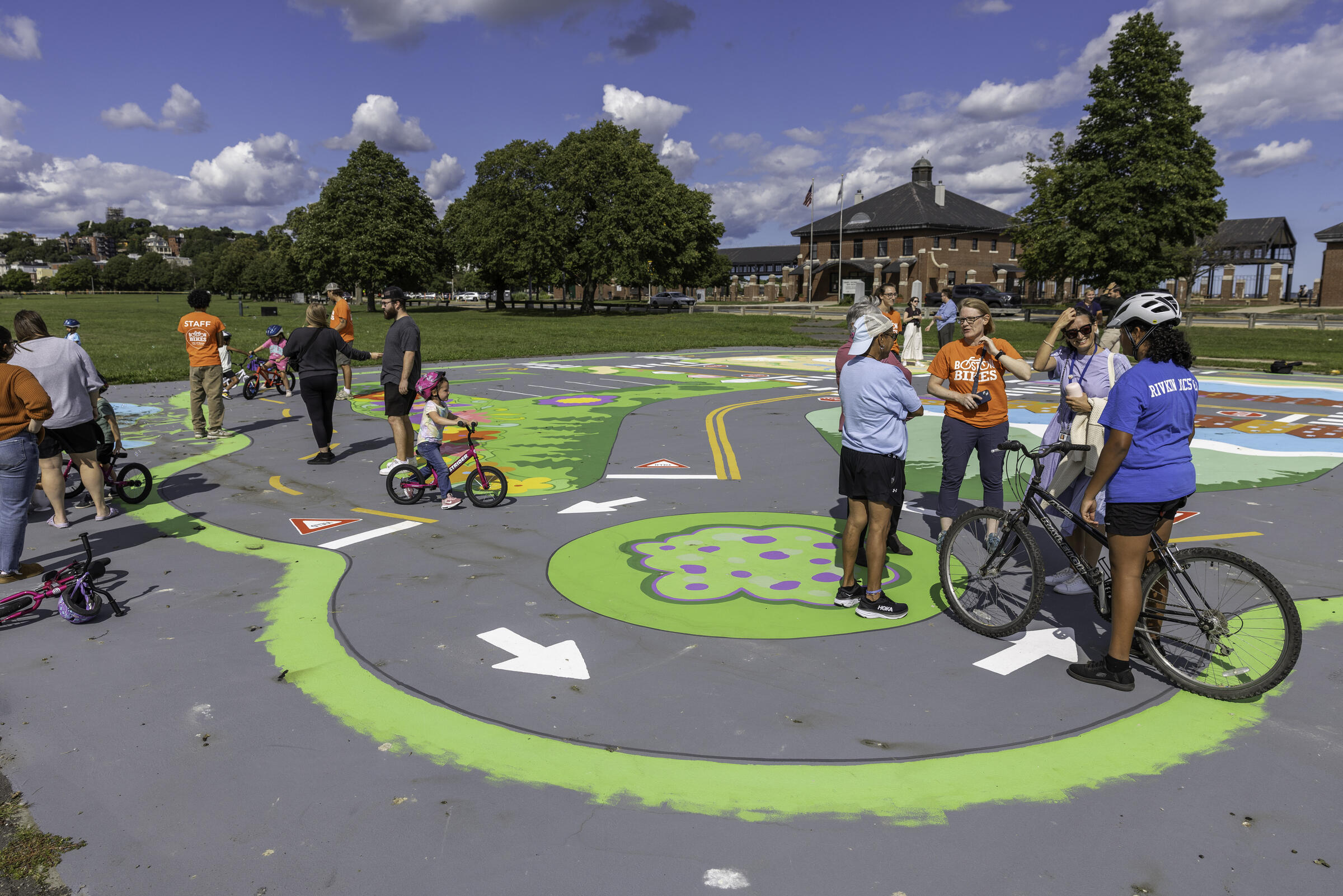
We began the project with a process mapping session to better understand how bikes move through the program, how staff coordinate events and repairs, and where operational challenges were occurring. Working closely with mechanics, instructors, and program managers, we identified pain points in the current workflow and collaborated on solutions that would fit seamlessly into the team’s day-to-day operations.
Based on these conversations, we designed a combination of technical and non-technical tools to improve fleet visibility, maintenance tracking, and event planning. Technical solutions included a GIS-based asset map to track where bikes are currently located and scheduled to be over time, mobile-friendly forms to log bike movement between locations, an event intake system to support bike reservation and scheduling, and a repair management system to track maintenance needs and repair status by bike model.
We also developed operational resources to support adoption of the new processes, including standardized Google Forms for event requests and a Bike Repair Guide that helps seasonal staff identify repair issues, submit repair requests, and complete minor repairs independently when appropriate. Together, these tools replaced fragmented manual processes with a more centralized, accessible, and field-friendly system.
THE OUTCOME
While the system is still in the early stages of implementation, the new tools are expected to significantly improve the team’s ability to manage and deploy their bike fleet. By centralizing information about bike locations, repairs, and event scheduling, the system will help staff spend less time coordinating logistics manually and more time supporting programming.
The Boston Bikes team anticipates several long-term operational benefits, including improved utilization of the bike fleet, reduced time spent locating and transporting bikes, faster identification and resolution of maintenance issues, and fewer bikes sitting out of service unnecessarily. The improved scheduling and tracking process may also allow the team to fulfill more requests from schools and community organizations by providing greater visibility into bike availability.
As the system continues to be used, the team will also gain access to more reliable operational data, allowing them to better understand bike usage patterns, maintenance trends, program participation, and overall fleet performance. These insights can support future planning decisions and help Boston Bikes continue expanding access to bike programming across the city.
Who's Involved
Who's Involved-
Still have questions? Contact:
Analytics Team
-
1 City Hall Square, Room 703
Boston, MA 02201
Innovation and Technology
-
1 City Hall Square
Room 703Boston, MA 02201-2021
