
Safe Sleep
Every child deserves to wake up happy and healthy. Learn about how you can keep your infant safe while they sleep.
Sudden Unexpected Infant Death (SUID) or Sudden Infant Death (SID) can refer to any injury, accident, or unknown cause that results in the death of an infant under one year of age.
Not all sudden infant deaths are preventable. But there are many safety steps you can follow to reduces your infant's risk and keep them safe.
-

-
Questions? Contact us:
-
 1010 Massachusetts ave. 2nd Floor boston, ma 02118


Safe Sleep Practices to Follow
- Bassinets or cribs should have a firm mattress with a single fitted sheet.
- Sleep clothing should be fitted and not loose. It is best to wrap your infant in a swaddle with their feet and arms secure inside.
- Although your infant should be comfortable when sleeping, too much heat or humidity can make it difficult for them to breathe.
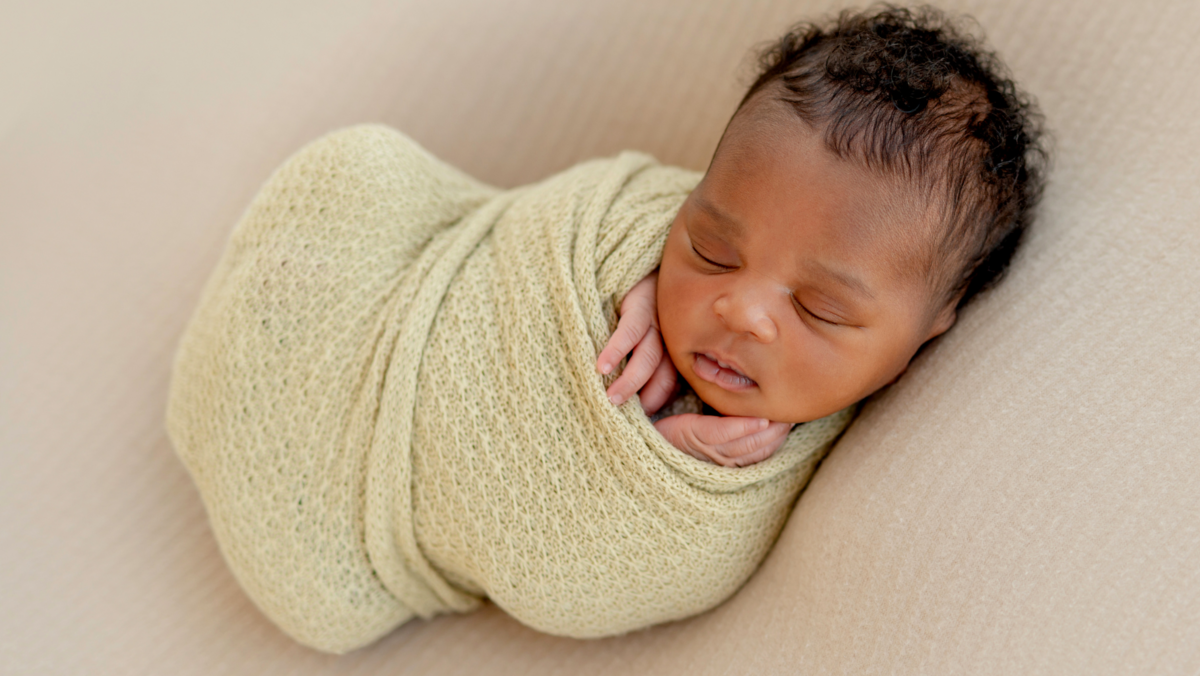
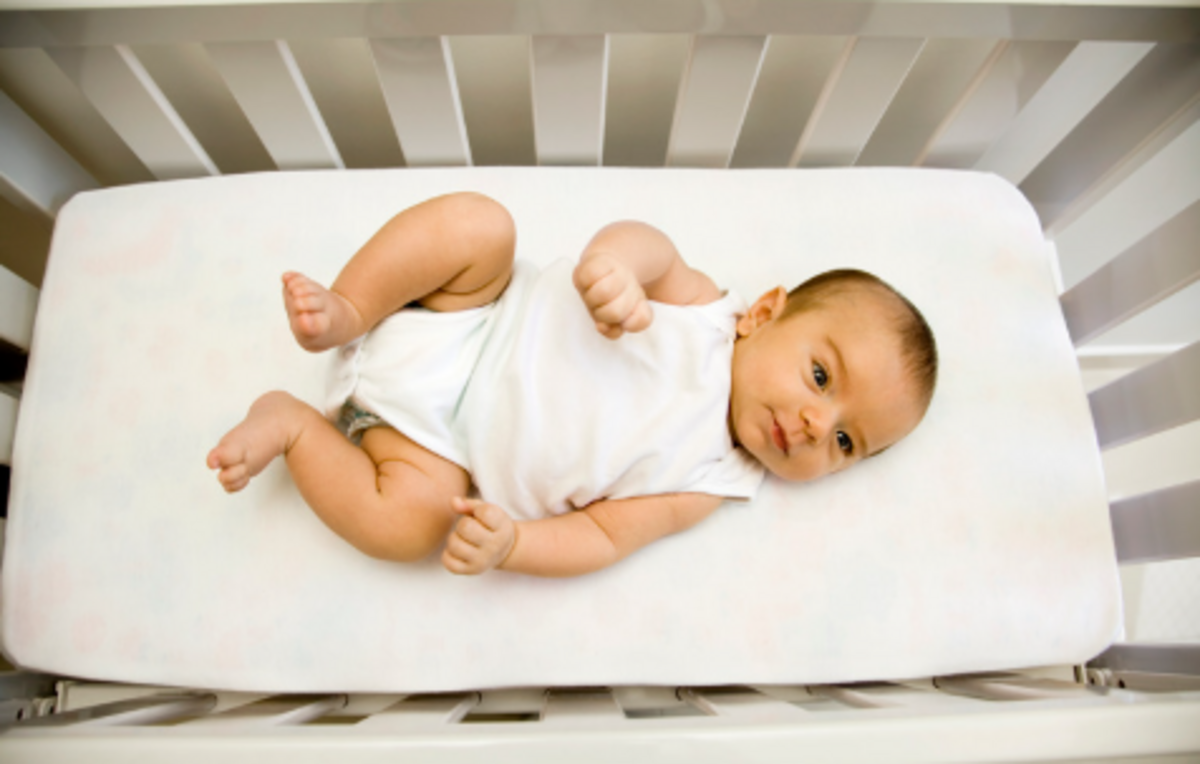
ALWAYS follow the ABC's of Safe Sleep:
Alone
back
Crib
Tips to Reduce Risk of Sudden Infant Death
1. Breastfeed
- Exclusively breastfeed for the first 6 months of your infant's life.
-
Room sharing is ideal while breastfeeding but always put your infant in a crib to sleep.
-
If breastfeeding from bed, remove all unnecessary pillows, blankets, and other materials.
-
Any amount of breast milk is better than none.
-
Offer infant a pacifier when going to bed.
2. Don't Smoke
- Smoking while pregnant and after pregnancy significantly increases the risk of Sudden Infant Death Syndrome.
- Make sure your house and car are smoke-free environments.
- Keep infants and children away from all secondhand smoke including: cigarettes, E-cigarettes, marijuana, vapes, and Juuls.
- Nicotine can be passed through breastmilk, so it is best to not smoke at all while breastfeeding and pregnant. If this isn't possible, limit when you smoke to be directly after feeding, then wait a few hours to feed again.
3. Pick a safe crib
- Always test the firmness of crib mattresses. The firmer the better.
- Make sure there are no gaps, mattresses must fit snuggly to the sides of the crib.
- Place crib far away from windows and drapes.
- Make sure your crib has not been recalled.
- Only use cribs produced within the last 10 years.
- Check to see if the crib is sturdy and has fully functioning parts.
Choosing a Crib
- Check to see if your crib has been recalled.
- Make sure your crib has sturdy rails. Do not use cribs with drop rails.
- Crib bars should be less than 2 inches and 6 centimeters apart.
- Sides should be at least 26 inches taller than the top of the mattress.
- All sides of the crib should sit flush and even with one another.
- Avoid decorative cutouts on the crib headboard, footboard, or sides.
- Do not use bumper pads on the crib or add unnecessary accessories.
- Cribs made within the last 10 years are held to the US Consumer Product Safety Commission (CPSC) national safety standard, cribs older than that should not be used. Check to make sure your crib fits these national safety standards.
If you are experiencing difficulties finding a crib, please ask your infant's healthcare provider for a Cribs for Kids referral. Cribs for Kids provides free cribs to families who qualify through community organizations that support infant safe sleep. Families cannot apply directly.
SUID/SIDS Resources
Check out these resources to learn more about Sudden Infant Death Syndrome and Sudden Unexpected Infant Death. These resources also highlight how to lower your infant's risk of injury or death.
Safe Kids offers tips on how to prevent sleep suffocation.
Learn how to handle the breastfeeding period while also providing your child with a safe sleep area.
Un video sobre prácticas de sueño seguro para bebés.
View data on infant mortality in Suffolk County, Massachusetts over the past 10 years.
Check out these tips for choosing safe cribs for infants.
Find grief resources for parents and caregivers suffering from infant loss due to Sudden Infant Death Syndrome and Sudden...
Find services and supports for people experiencing the unexpected loss of a child.
Find resources and supports that are essential for new families.
We provide free home visits to pregnant and parenting families in Boston. Our services are free, voluntary, and confidential.
Our program aims to decrease the impact of smoking and vaping on the health of Boston residents and visitors.
Related Resources
Related Resources
-
-
Questions? Contact us:
-
1010 Massachusetts ave. 2nd Floor boston, ma 02118
