
Resilient Mario Umana Academy Project
The Office of Climate Resilience and Boston Public Schools are leading a project to design coastal resilience infrastructure and outdoor education space along the Mario Umana Academy waterfront in East Boston.
-
Stay Connected


Project Phase


Project Information
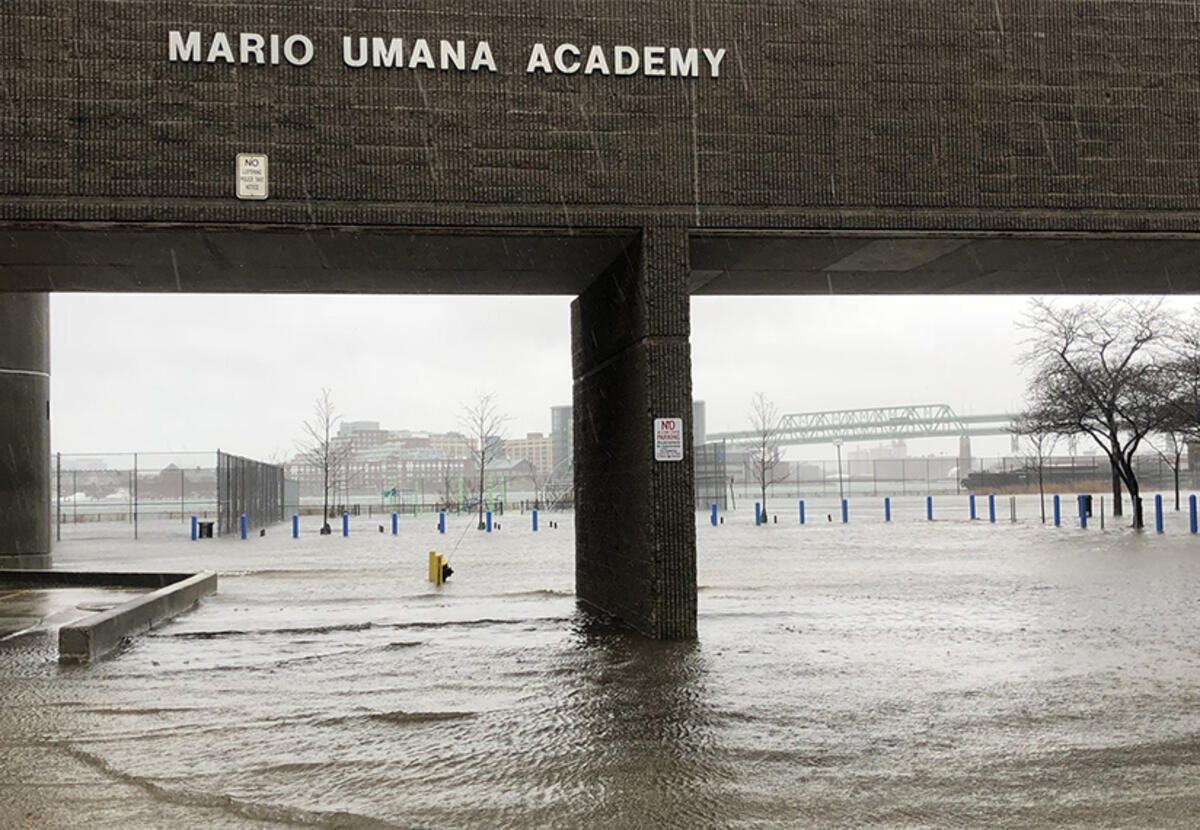
The Mario Umana Academy is already experiencing the impacts of climate change. In 2018, the school flooded due to rising sea levels and storms. To stop the flooding, the Office of Climate Resilience and Boston Public Schools will rebuild the school's waterfront. Students and teachers from the Mario Umana Academy will help design the new space. Once built, teachers will be able to use the waterfront to educate students about the environment.
Project Goals
- Prevent coastal flooding now and in the future;
- Enhance the health of the natural environment along the waterfront;
- Improve public access and connectivity to and along the waterfront; and
- Create an outdoor recreation space where students can learn about the harbor and climate change
Background Materials
BackgroundCity of Boston Announces Launch of Coastal Resilience Project at the Mario Umana Academy.
The City is investing in designing a resilient waterfront park and infrastructure to protect the school and East Boston community from flooding.
Inauguration of Mayor Michelle Wu and the Boston City Council
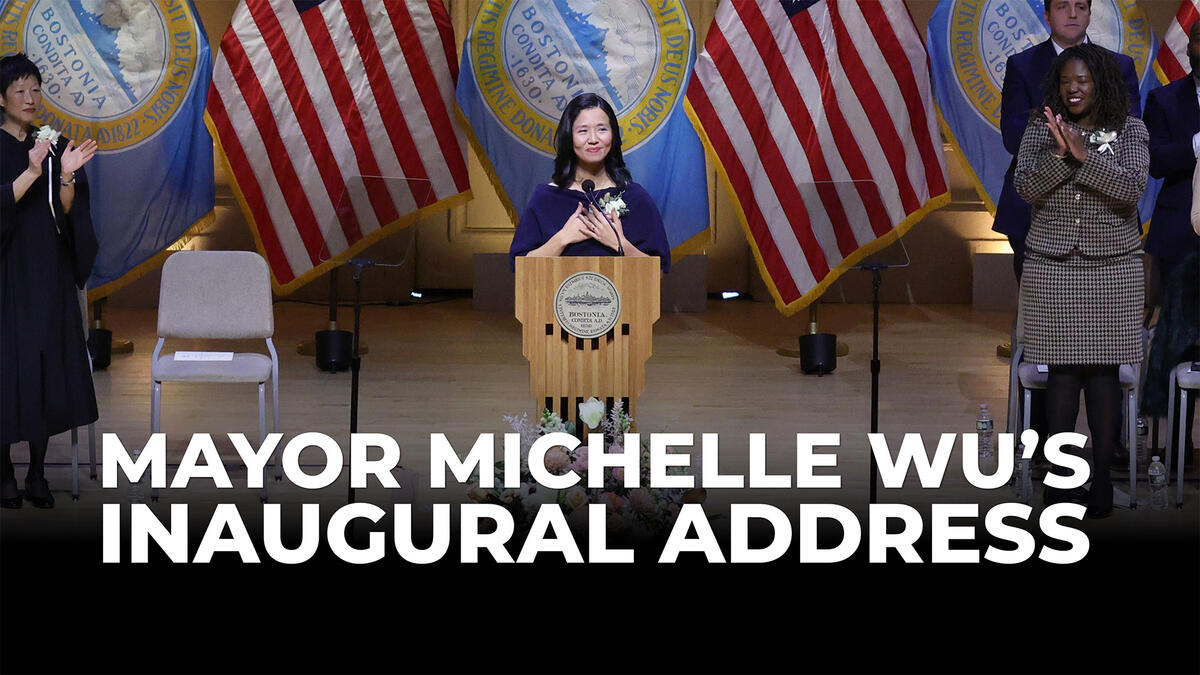
Mayor Michelle Wu and the Boston City Council were inaugurated on January 5, 2026. In her speech, Mayor Wu said she will convert Boston from the oldest public school district to the best. One way she plans to improve BPS is to invest in the facilities students and families deserve.
Resilient Border Street
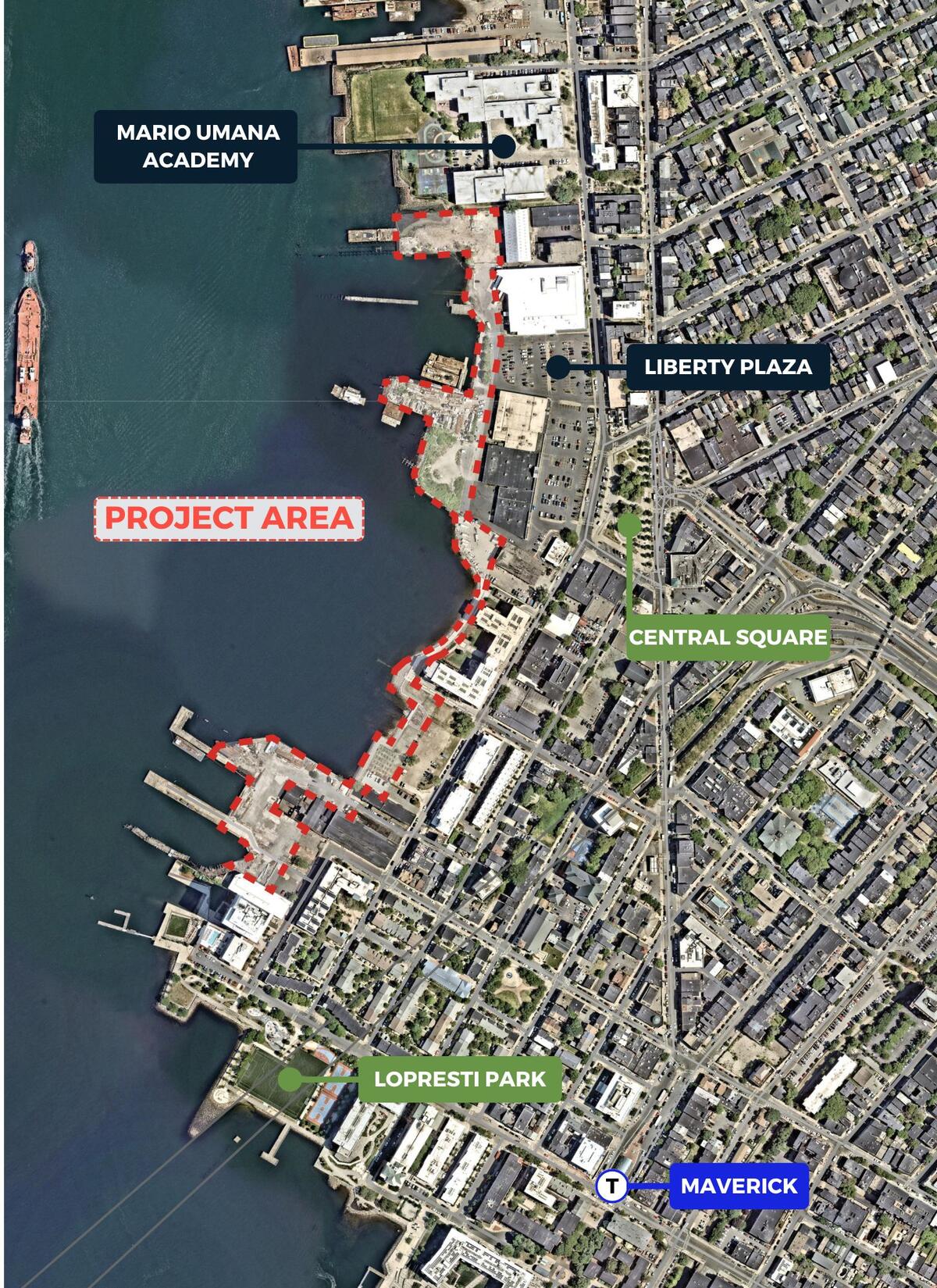
The City is working with waterfront private property owners and the East Boston community to design a coastal resilience strategy for Border Street. The project area extends from 36 New Street/60 Border Street to 276R Border Street (just South of the Mario Umana Academy), including private properties between Border Street and the waterfront. A primary goal is to prevent near- and long-term coastal flooding from entering the neighborhood. Additionally, the project seeks to improve stormwater management, reduce the urban heat island effect, and enhance connectivity along and access to the East Boston waterfront.
Playground Improvements
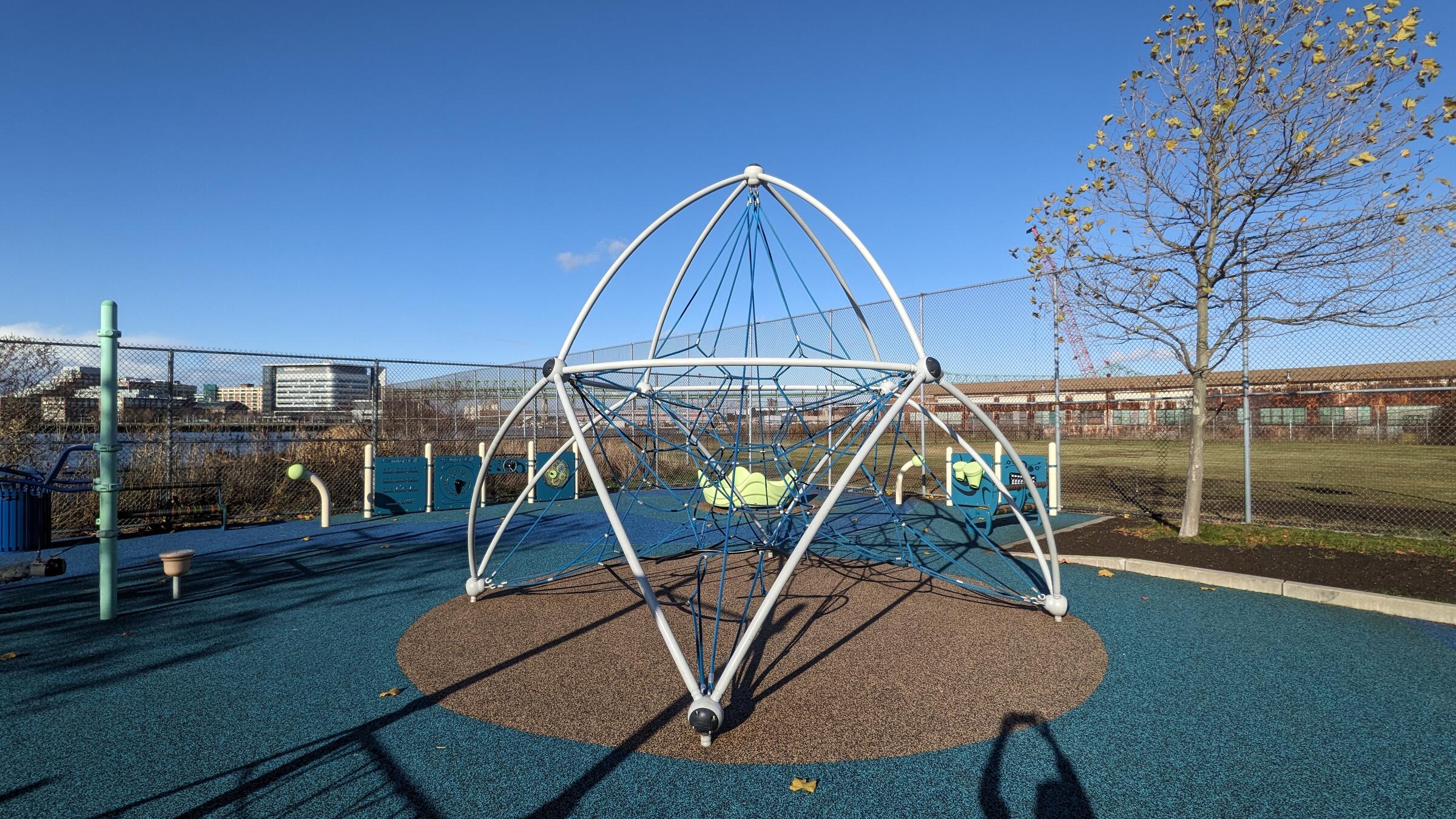
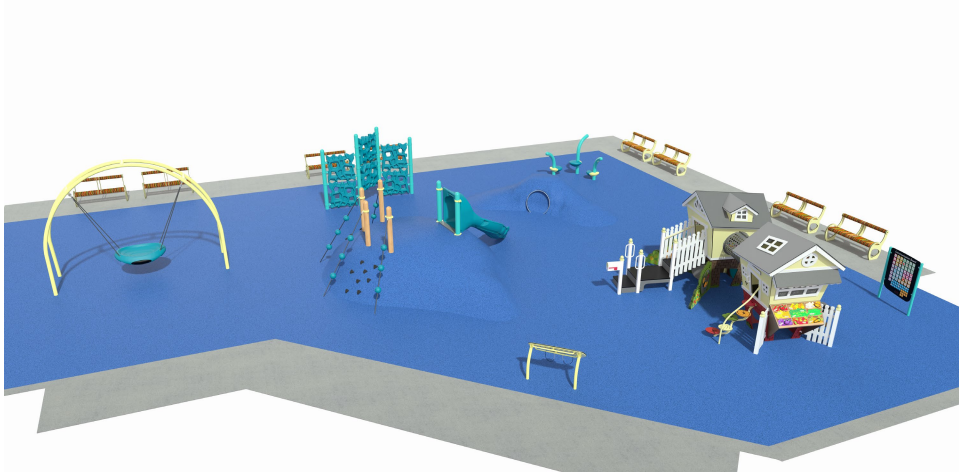
In 2024, the Mario Umana Academy renovated the waterfront playground. The renovation expanded the playground, added sensory play opportunities, and installed a new permeable surface. The new surface under the playground allows precipitation to filter into the ground, which improves stormwater management and reduces the amount of runoff flowing into the harbor.
In April 2026, the Mario Umana Academy will begin renovating the Kindergarten playground. The renovation is expected to be completed by June 2026. The playground will install more engaging and accessible play equipment. An improved gathering space will be located next to this playground with benches and picnic chairs for children. The gathering space will feature permeable pavers, which reduce rainwater pooling.
Get Involved
Get InvolvedWe need your help! Fill out this short feedback survey to help us understand how we should improve the schoolyard.
Who's Involved


-
Have questions? Contact:
-
Stay Connected
