
What To Do During an Earthquake
Earthquakes can happen in Boston, it is important that you take steps to protect your home and property in the event that an Earthquake happens here!
What is an Earthquake?
An earthquake is the sudden, rapid shaking of the earth, caused by the breaking and shifting of subterranean rock. Initial mild shaking may strengthen and become extremely strong within seconds. Additional earthquakes, called aftershocks, may occur for hours, days, or even months. Most are smaller than the initial earthquake, but larger magnitude aftershocks can also occur. Earthquakes can cause power outages or tsunamis. Earthquakes can happen at any time of the year and occur without warning.
Impacts of Earthquakes:
Massachusetts is located in a moderate earthquake zone. Typically these types of earthquakes cause insignificant or mild damage however, larger earthquakes that could cause serious damage to buildings and public infrastructure are possible. Due to this, it is important to know some simple safety tips if the ground begins to shake.
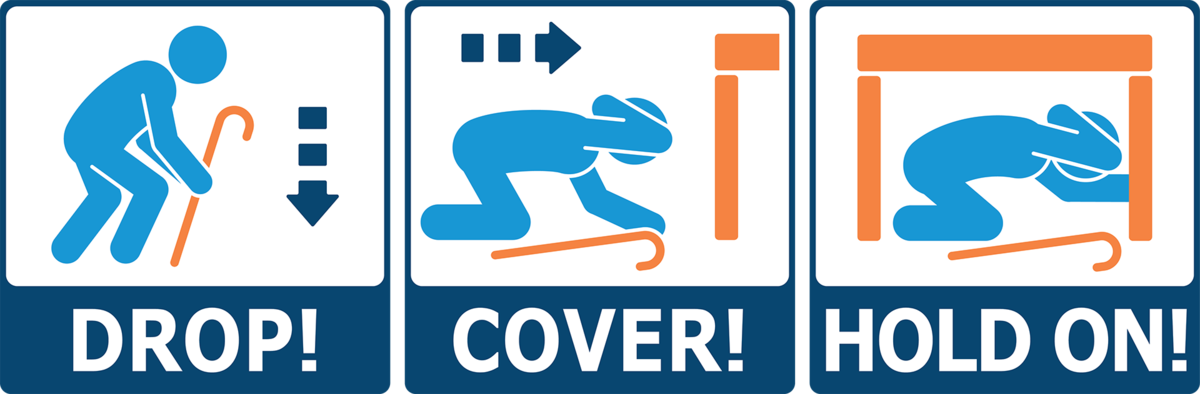
During an earthquake, drop to the ground, cover your head and neck with your arms and, if possible, a sturdy piece of furniture, and try to hold on until the shaking stops.
-
Still have questions? Contact:
Emergency Management
-
 85 Bragdon Street
Boston, MA 02119


Protect Yourself
Be informed
Sign up for AlertBoston, the City’s emergency mass notification system, to be informed about major emergencies impacting the City, what actions you should take, and what resources are available.
Practice How to Protect Yourself
Practice DROP, COVER, and HOLD ON with family and coworkers.
How to be Prepared
Create and Review your Family Emergency Plan
Learn how to create a family emergency plan at boston.gov/emergency, if you do not already have a plan. If you already have an emergency plan, review it periodically to ensure that it is up to date and your family knows the plan. Identify safe places to take cover in frequently visited locations such as the workplace or school.
Build an Emergency Kit and a Go Bag
Learn how to build an emergency kit and a go bag at {website Link}. If you already have an emergency kit and go bag packed be sure to periodically check it to make sure items are still in good condition and working properly.
Prepare Your Home
Prepare Your Home
- Secure heavy items in your home like bookcases, refrigerators, water heaters, televisions and objects that hang on walls. Store heavy and breakable objects on low shelves.
- Consider Making improvements to your building to fix structural issues that could cause your building to collapse during an earthquake.
- Consider obtaining an earthquake insurance policy. A standard homeowner’s insurance policy does not cover earthquake damage.
- Make a record of your personal belongings and property by taking pictures or videos. Be sure to store these records in a safe place.
- Know where your electricity, gas, and water switches and valves are located and how to shut them off.
Subscribe to AlertBoston
Subscribe to AlertBoston emergency notifications !
AlertBoston is the City of Boston's emergency notification system. This allow individuals to be informed about major emergencies that are expected to or are impacting the City by
- Phone Call
- Text Message

During An Earthquake
Report Incidents
- If you see or smell a hazardous incident call 911 to report the emergency.
- Be Aware of what is going on by monitoring the media for emergency information.
- Stay away from the scene of the incident to minimize the risk of contamination.
If instructed to evacuate:
- Do so immediately
- Take only essential items and bring your pets if safely possible.
- Shelters are pet friendly
If instructed to shelter in place:
- Bring pets inside
- Close and lock exterior windows and doors. Close and turn off vents, fireplace dampers, exhaust fans, heating or cooling systems, and as many interior doors as possible.
- If sheltering in place, go into your pre-selected room with your emergency kit.
- Seal gaps under doorways and windows with wet towels or plastic sheeting and duct tape.
- Close drapes, curtains, and shades in the room if you are warned of a possible explosion. Stay away from windows.
- Remain in the room until authorities advise you to leave.
- If you are in a vehicle, stop and seek shelter in a safe building. If you must remain in your car, keep windows and vents closed and shut off the air conditioner and heater.
- If you are caught outside, stay upstream, uphill, and upwind. Try to get at least half a mile away from the area. If possible, cover your mouth with a cloth and try not to inhale gasses, fumes, and smoke.
- Call 311 or visit boston.gov during an incident to obtain shelter locations and other disaster information
Drop, Cover, Hold On
After An Earthquake
- Return home or discontinue sheltering in place once authorities say it is safe. Open windows and vents and turn on fans to provide ventilation.
- Continue to monitor the media for recovery information.
- Follow decontamination instructions from local authorities. Depending on the material, you may be advised to take a shower, or stay away from wanted and follow another procedure.
- Seek medical treatment for any unusual symptoms.
- Place exposed clothing and shoes in tightly sealed containers. Do not allow them to contact other materials. Call local authorities to find out how to properly dispose.
- Find out from local authorities how to clean your property.
- Report any lingering vapors or other hazards to local authorities.
- Call 311 to find out about the city's resources to assist with recovery.
- Do not eat or drink food that may have been contaminated
- Be a good neighbor and check on those around you. Be sure to also check on family, friends, the elderly, those who have medical conditions , or those who may need additional assistance.
-
Still have questions? Contact:
Emergency Management
-
85 Bragdon Street
Boston, MA 02119
