
Urban Wilds: Mattapan
The Urban Wilds Initiative seeks to protect the City's publicly-owned urban wilds and thereby ensure access and enjoyment of natural treasures to present and future Boston residents.
-
Vous avez encore des questions? Contact:
Parks and Recreation
-
 1010 Massachusetts Avenue
3rd FloorBoston, MA 02118


Mattahunt Woods
OWNERSHIP
Boston Conservation Commission (transferred from Neighborhood Development)
NEIGHBORHOOD
SIZE
4.6 acres (45 parcels)
Description
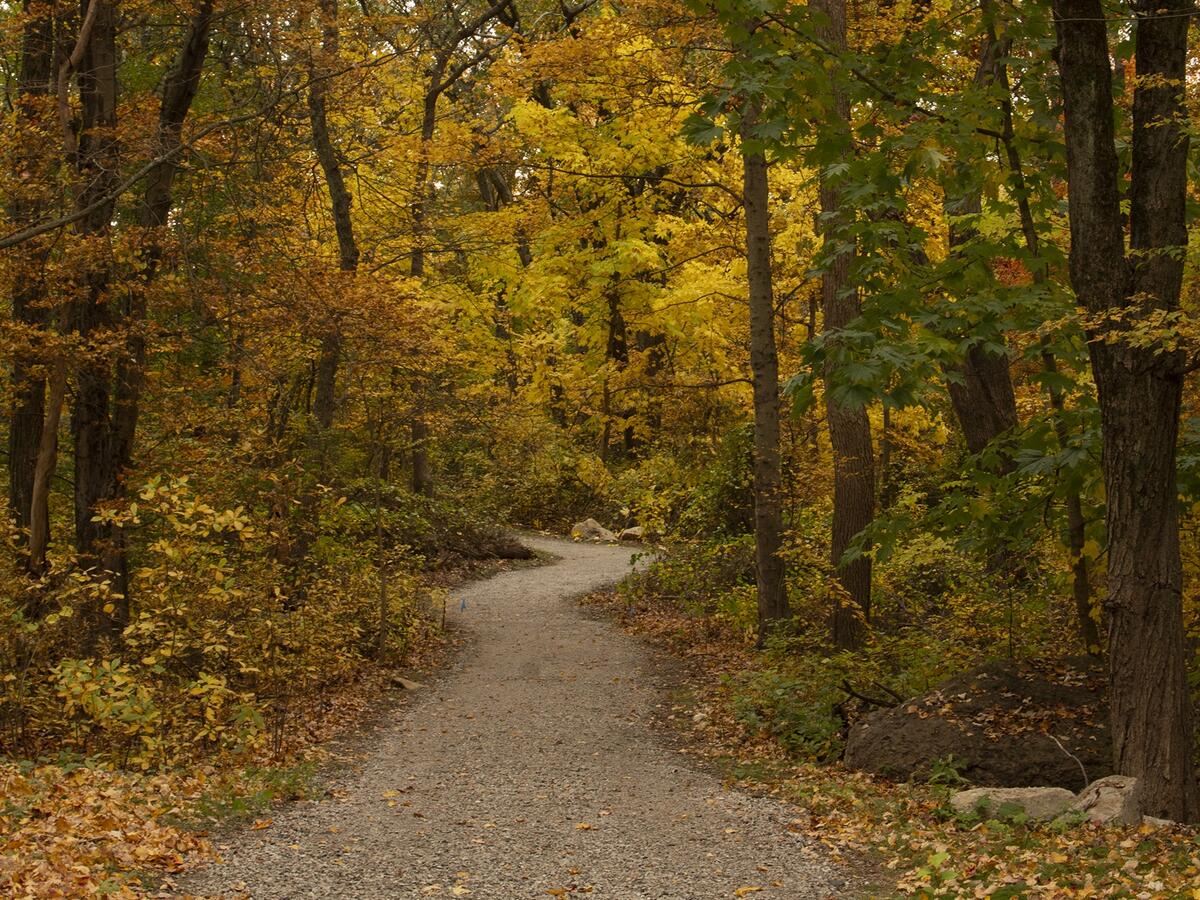
Mattahunt Woods is comprised of almost 9 acres of secluded forested wetlands. Permanently protected in 2008 through a citizen petition, Mattahunt Woods was the largest remaining intact, unprotected area of woodland in the City of Boston. The site provides important wildlife habitat, native vegetation and functions to mitigate the impacts of storm water runoff. Massive cleanup projects were undertaken in 2009 with City Year to remove construction debris, and later in 2011 with the Student Conservation Association to create a trail linking an Itasca Street trail head with a modest trail head at the intersection of Canaan and Colorado Street. In 2025, the City completed a capital improvement project that improved public access through creating formal trails and entrances. This project also improved the health of the site by removing invasive plants and installing native restoration plantings. Project partners included the Parks and Recreation Department, the Environment Department, and PowerCorps.
Gladeside
Description
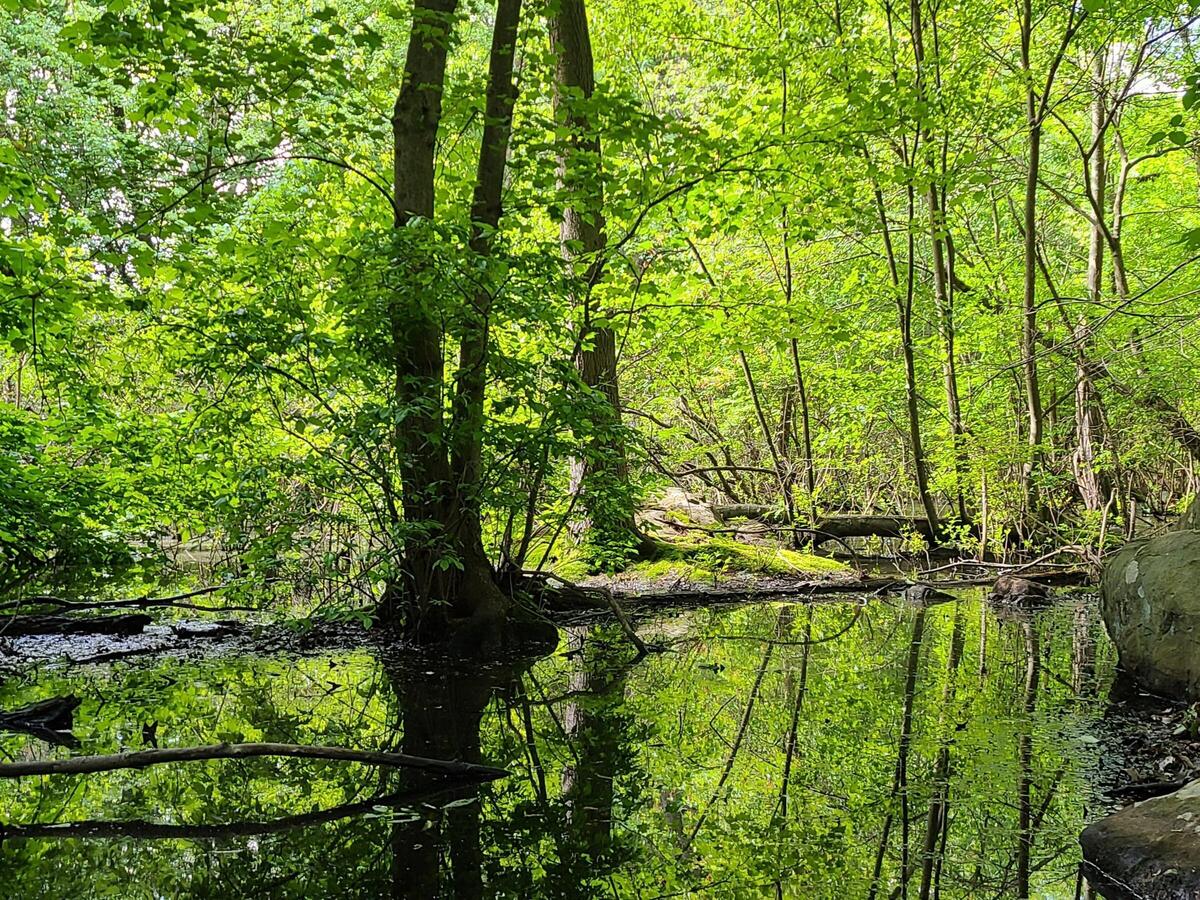
This beautiful natural area hosts twining ridges of oaks that encircle a densely vegetated swamp. As one of the largest, undeveloped areas in Mattapan, Gladeside Urban Wild is a significant asset to the local community. One trail currently stretches from Lorna Road to Gladeside Avenue, while a second trail is being constructed along the West Selden Street border. Both the upland and lowland portions of this site are ecologically rich. The upland ridges host a variety of oaks, birch, hickory, and pine, while the lowland area bursts with sweet pepperbush, alder, and bayberry. Invasive species, such as Japanese knotweed and barberry, have significantly intruded in areas. However, they have not yet compromised the wild's ecological integrity. Composed in part by a wetland, the wild also provides the ecological functions of flood storage, water filtration, and wildlife habitat.
Woodhaven
Description
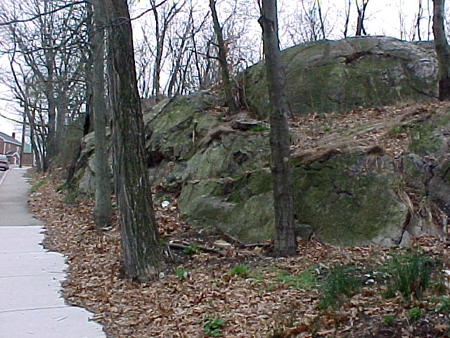
Bordered on the northwest by Woodhaven Street and on the southeast by a steep drop to the MBTA commuter line right-of-way, Woodhaven urban wild is a geologically rich pocket of land topped by a fairly healthy oak and hickory forest. This small natural area boasts at least five types of rock: Mattapan volcanic rock, Roxbury puddingstone, argyllite or mudstone, breccia, and basalt. Invasive species, such as green brier and European buckthorn, have begun to encroach on the northern section of the urban wild and in the southeastern section bordering the commuter rail right-of-way; however, the majority of the site is covered with white and red oaks. Ecologically, this urban wild is very valuable in that it not only provides a biologically and geologically diverse ecosystem, but also serves as a stepping stone between larger natural areas nearby. Gladeside Urban Wild and Almont Park, which contain large wooded outcrops, are both in close proximity. There are no established pathways through the site and the northeastern and southwestern sides are snuggly bordered by single family houses.
-
Vous avez encore des questions? Contact:
Parks and Recreation
-
1010 Massachusetts Avenue
3rd FloorBoston, MA 02118
