
Celebrating Juneteenth in Boston
Learn more about how the City of Boston is honoring the anniversary of the day in 1865 when all enslaved people had been informed that they were free.
Juneteenth marks the day in 1865 that Union soldiers, led by General Gordon Granger, reached Galveston, Texas. They announced to the state that the Civil War was over and that all enslaved persons had been declared free.
Although the Emancipation Proclamation had become official over two years prior, the institution of slavery remained untouched in areas beyond Union control. In taking control over the state, the Union effectively liberated the remaining slaves in Texas. They also ended this specific form of slavery in America.
The City of Boston officially observed Juneteenth as a state holiday for the first time on June 21, 2021, as allowed by the Commonwealth’s order issued in 2020. Juneteenth is a day to gather with loved ones, celebrate Black lives, and reflect and recognize the struggle for liberation in America.
-
Questions? Contact:
Equity and Inclusion Cabinet

Upcoming Events
Upcoming EventsJuneteenth Across Boston
Hyde Park's 6th Annual Juneteeth Joy Celebration
Saturday, June 13, 2026, from 10 AM to 3 PM
Hyde Park’s 6th Annual Juneteenth Joy Celebration: Dance, Dance, Dance – The Diaspora! Get ready to celebrate freedom, culture, and community at the 6th Annual Juneteenth Joy Celebration in Hyde Park! Join us on Saturday, June 13, 2026, from 10 AM to 3 P
Boston Public Library Juneteenth Celebration
June 18, 2026 | 6-7:30 PM | Parker Hill LIbrary, 1497 Tremont Street, Boston
Join the Parker Hill Branch as we commemorate Juneteenth. This community celebration will have music, food, crafts, and even better––you! So come on down and say hi to your neighbors as we celebrate community and freedom.
Celebrate Juneteenth
Thursday, June 18 • 12 PM - 2 PM | Kendall/MIT Open Space 292 Main Street Cambridge, MA 02142
Celebrate Juneteenth (a day early!) with live reggae from Roots Alley Collective featuring special guest Dion Knibb, plus delicious food truck options, lawn games, and more. Presented in collaboration with MIT Sloan School of Management and MIT's African
The 16th Annual Juneteenth Emancipation Observance
Friday, June 19, 2026
Food & culture vendors, music & entertainment, speakers, music, performers, sparc! th eArtMobile and activities for all ages!
WE CREATE THE WORLD
Friday, June 19, 2026
The Boston Ujima Project is hosting its third annual Juneteenth Festival, WE CREATE THE WORLD, on Friday, June 19, 2026, at the ICA/Boston (12 PM - 9 PM) and the Museum of African American History in Boston (10 AM - 5 PM).
Junteenth
Friday, June 19, 2026 | 10:00 am–10:00 pm | Museum of Fine Arts, Boston
Tickets available in person on a first-come, first-served basis. Admission is free with a valid Massachusetts zip code.
Free Day Juneteenth - Born in the Purple
Friday June 19, 2026 | 11 am - 4 pm | Throughout the Museum
The Gardner will honor Juneteenth, the oldest nationally recognized commemoration of the ending of slavery in the United States, with a free day of performances, conversations, and activities curated in collaboration with SIDE Presents: Born in the Purple
6th Annual Newton Juneteenth Celebration 2026
Friday, June 19, 2026 starting at 3PM
Bring your kids, your friends and your parents and come feel the JOY—this is more than an event, it’s a celebration of resilience, unity, and community pride.
Supporting Black-owned Businesses
Black-founded or Black-run Arts Organizations in Boston
We've put together a directory of local Black-founded and Black-run arts organizations.
Guide to Black Boston
Boston is rich with Black culture, heritage, and history. It shows in our restaurants, boutiques, and bookstores. Check out the visitor's guide to Black Boston.
Why Celebrate Juneteenth
On July 4, America marks its independence with brilliant fireworks displays, parades, and endless red, white, and blue-themed celebrations of patriotism. For many Black Americans, however, these celebrations fall short of reflecting their lived experiences and those of their ancestors. They instead look to another date, June 19, as a more fitting time to celebrate freedom, with a holiday known as Juneteenth.
Juneteenth marks the day in 1865 that Union soldiers, led by General Gordon Granger, reached Galveston, Texas. they announced to the state that the Civil War was over and that all enslaved persons had been declared free. Although the Emancipation Proclamation had become official over two years prior, the institution of slavery remained untouched in areas beyond Union control. In taking control over the state, the Union effectively liberated the remaining slaves in Texas. They also ended this specific form of slavery in America.
Juneteenth has become not only a time to commemorate Black liberation from the institution of slavery, but also a time to highlight the resilience, solidarity, and culture of the Black community. It is a time for Black Americans to reflect on their ancestral roots. They're also able to join together to celebrate the freedoms and lives that generations have fought to secure.
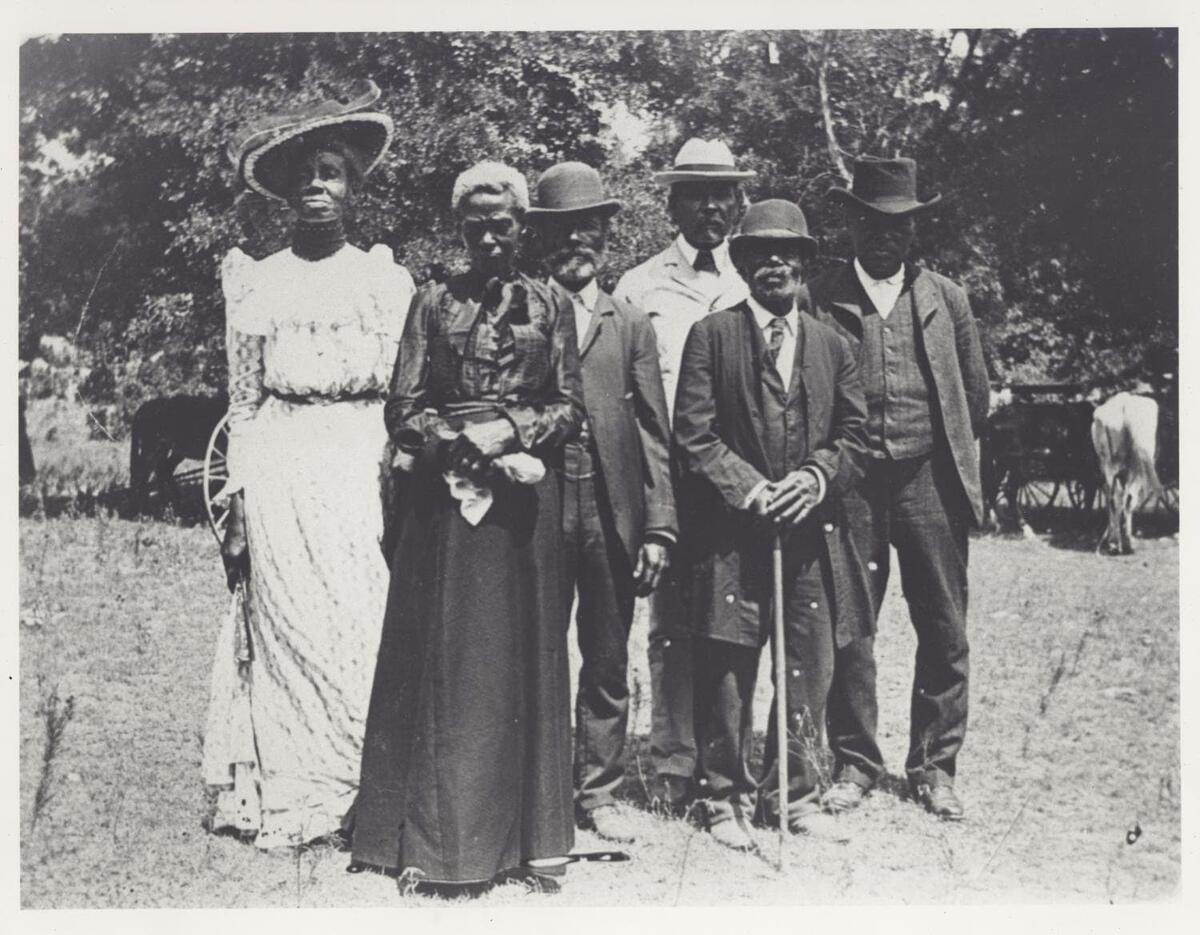
The holiday originated in the immediate aftermath of General Granger’s announcement to the people of Texas, when formerly enslaved persons joined in rejoicing over their newfound liberation. Newly-freed Black Americans in Texas continued to mark June 19 as their day of freedom with celebrations and parties in the following years. This happened in an open defiance of the threats that they faced in the Reconstruction era,
Juneteenth spread throughout the United States, sometimes family by family to new cities and frontiers. At other times, it spread far more rapidly, such as during the Great Migration. Local celebrations continued in the tradition of the original, often marked by food, dancing, and, increasingly, Black pride. Freedom remained a central theme of celebration. But, the narrative of community growth, progress, and resilience began to emerge as well. During the most difficult times, especially throughout the Jim Crow era, communities would use Juneteenth as an opportunity to find strength and peace in one another. Some celebrations even doubled as fundraisers for buying land to host subsequent celebrations. This was the case with the land that would become Emancipation Park in Houston, Texas.
Following a revival of Juneteenth during the civil rights movement, in 1979, Texas became the first state to recognize Juneteenth as an official state holiday. Since then, 44 other states and the District of Columbia have followed suit. In 2007, Massachusetts became the 25th state to recognize the holiday. The recognition of Juneteenth in Massachusetts held special significance. The proclamation was signed by Governor Deval Patrick, the first Black governor of the Commonwealth and the only sitting Black governor at the time in the United States.
Movements to make Juneteenth a national holiday have a long, robust history as well. Today the push is led by Reverend Ronald Myers, the chairman of the National Juneteenth Observance Foundation. In his own words, Myers states, “Every year we must remind successive generations that this event triggered a series of events that one by one defines the challenges and responsibilities of successive generations. That’s why we need this holiday.”
Today, Juneteenth is marked as much by tradition as it is by the ways that is has adapted over time. For all of the sports and games and dress that have become a part of some of the celebrations today, the core remains unchanged:
- family
- food, and
- community.
Community-wide barbecues and block parties have become Juneteenth custom. One of the first large-scale Juneteeth celebrations in Boston started in the 1990s when a group of Roxbury residents met following the funeral of a mutual friend. They decided to start an annual event that has since become known as the Roxbury Pride Day Juneteenth Celebration, one of several large-scale celebrations in the City.
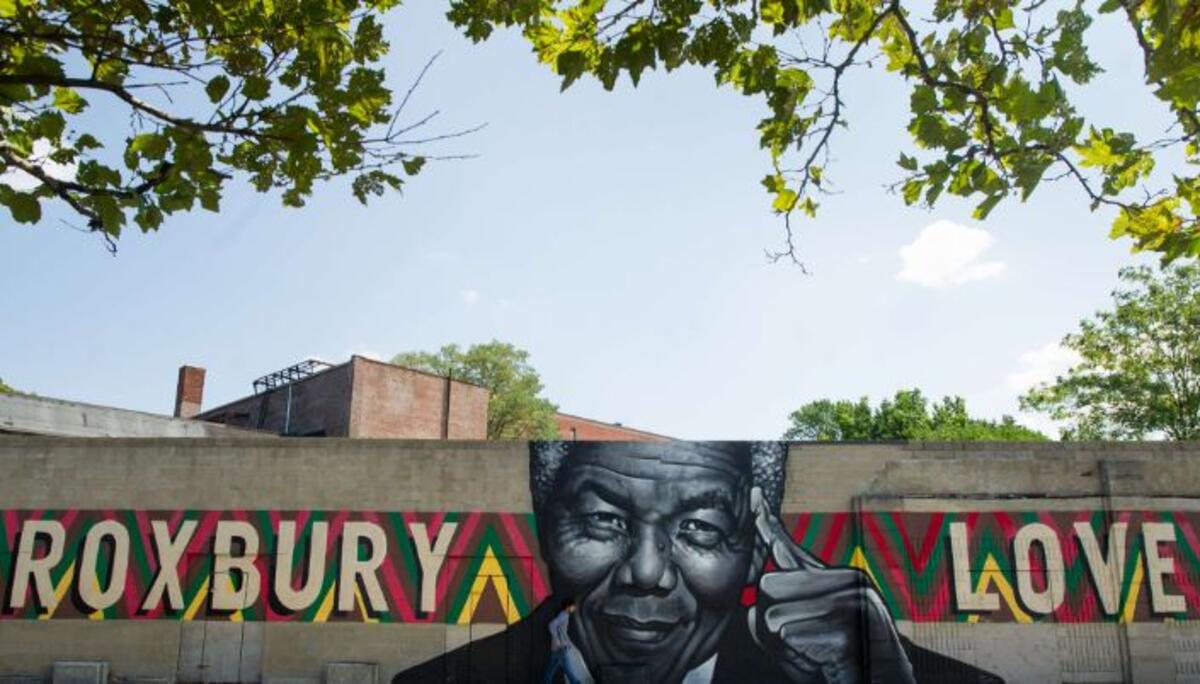
Aside from celebration, modern Juneteenth has also evolved into a time to speak out and demonstrate. It serves as a reminder of the freedoms that are yet to be reached by people of color and as an opportunity for people to address those inequities that afflict their communities.
Juneteenth remains remarkably relevant in modern America. It serves as a celebration of the progress attained by generations of fighting for freedoms and rights; it also serves as a reminder of the work yet to come that will be necessary in order to ensure a brighter, more equitable world for all children and future generations. On June 19, 2017, let this be a time of reflection on how far we have come, while using it as an opportunity to reignite our passion for fighting for liberty and justice for all.
Sources:


-
Questions? Contact:
Equity and Inclusion Cabinet
