
311 Technology Modernization Project
Boston 311 is the city’s hub for information and non-emergency services. To provide residents the best possible non-emergency services, we are modernizing the system behind 311.
Each day, more than 1,000 requests flow through the 311 system. Residents can reach city staff by phone, on the web, or through a mobile app that supports 10 languages. Boston 311 helps residents report issues like potholes, broken streetlights, or missed trash pickups, and get quick answers to common questions. Our contact center operates 24 hours a day, 365 days a year.
The City adopted its current 311 system in 2008, and over the years, we’ve stretched its technological capabilities to meet growing resident needs. Today’s system is outdated, slow, and increasingly difficult to support. To provide residents the best possible non-emergency services, we are modernizing the system behind 311.
-
Still have questions? Contact:
Boston Digital Service
-
 1 City Hall Square, Room 703
Boston, MA 02201
Analytics Team
-
1 City Hall Square, Room 703
Boston, MA 02201
Boston 311
-

-
1 City Hall Square
Boston, MA 02201


PROJECT GOALS
This initiative is about more than new software—it’s about ensuring the City of Boston has the right tools to serve our residents, now and in the future.
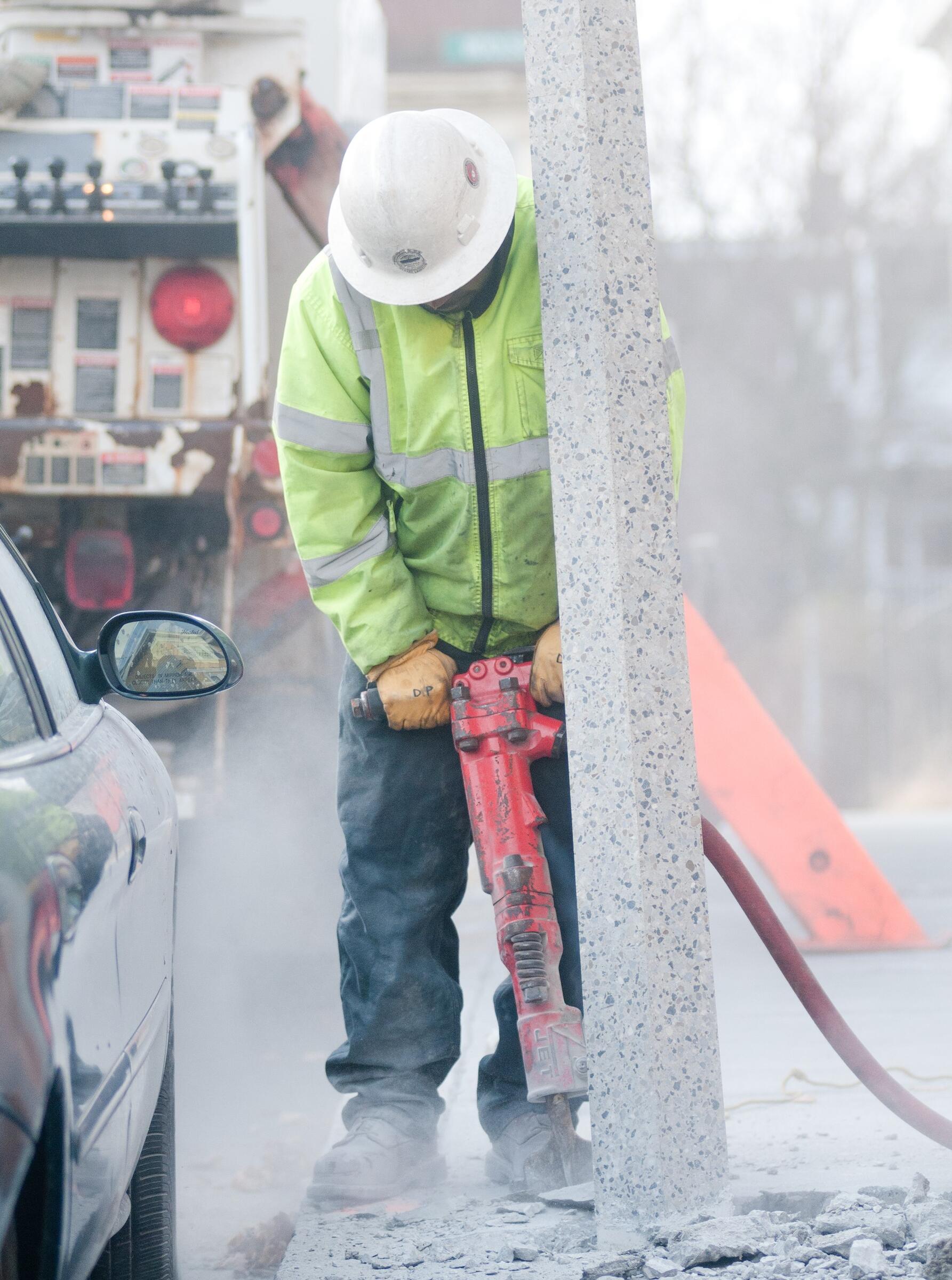
The 311 Technology Modernization Project was launched to support a more modern, efficient, and responsive 311 system. Behind each request is a city workforce committed to solving problems: a single 311 call to might go to teams that maintains street signs, Animal Control, or Inspectional Services. Many 311 requests require multiple departments to coordinate and collaborate to resolve non-emergency issues completely. Managing this level of complexity requires modern and robust software.
The key goals of this project are:
- Improve service delivery: Give 311 agents and city staff the tools they need to resolve resident issues quickly, accurately, and consistently.
- Enhance resident experience: Streamline communication and make it easier for residents to submit requests and receive timely updates.
- Increase transparency and accountability: Provide departments and city leaders with better data and insights into service delivery and performance.
- Deliver value quickly: Roll out improvements incrementally, testing and refining each feature with input from real users to ensure they meet the city's evolving needs
- Build a system for the future: Replace the outdated Lagan platform with modern, cloud-based tools that are faster, more secure, and easier to maintain. We’re building a system that should last the city a decade or more.
Our Approach
The full transformation of Boston’s 311 system is expected to be complete by THE END OF 2026. As each milestone rolls out, residents and city staff will experience a faster, smarter, and more responsive way to connect—and get things done—across the city.
Transforming a system as central—and as complex—as Boston 311 is no small task. Our approach incremental and collaborative, rather than attempting a massive, one-time overhaul:
- Start small, deliver quickly: We break the work into smaller “milestones,” each focused on a specific set of service requests or department needs. This lets us release improvements faster and begin delivering value right away.
- Work side by side with staff: Before we build anything, we spend time learning how departments actually work—what’s easy, what’s painful, and what could be better. We co-design solutions with the staff who will use them every day.
- Test and refine: We prototype early, gather feedback, and adjust based on what we learn. This keeps us aligned with real-world needs, not just what looks good on paper.
This approach isn’t just more practical—it’s more respectful of our residents and City workforce doing the work. It allows departments to adopt the new tools at a sustainable pace, while giving residents a better experience one step at a time.
A MODERN SOLUTION: CREATIO AND CARTEGRAPH
To achieve these goals, the City selected two modern platforms—Creatio and Cartegraph—to replace the legacy systems behind 311.
Creatio: Powering the New 311
Creatio is a cloud-based constituent relationship management (CRM) system that will serve as the central platform for 311 operations. This is where service requests are logged, tracked, and routed. Call takers and city staff will use Creatio to access real-time information, view request histories, and guide residents through the right solutions quickly and accurately.
With Creatio, 311 staff will be better equipped to serve residents efficiently, with clearer communication and faster resolution times.
Cartegraph: Managing the City’s Physical Assets
Cartegraph is Boston’s asset management platform. It tracks hundreds of thousands of city assets—such as traffic signs, streetlights, pavement markings, and trees—and allows departments to plan and carry out maintenance work. While residents won’t interact directly with Cartegraph, it plays a key role in getting the job done once a service request is submitted.
Through tight integration with Creatio, requests that involve physical infrastructure can be automatically routed to Cartegraph. There, department staff can assign tasks, track progress, and ensure nothing falls through the cracks. The result is more proactive maintenance, better coordination across teams, and improved outcomes for residents.
-
Still have questions? Contact:
Boston Digital Service
-
1 City Hall Square, Room 703
Boston, MA 02201
Analytics Team
-
1 City Hall Square, Room 703
Boston, MA 02201
Boston 311
-
-
1 City Hall Square
Boston, MA 02201
