
10 Projects Improving Air Quality Across Boston
Clean air is a fundamental right. These 10 local organizations are working to reduce air pollution, protect public health, and secure a healthier Greater Boston for all.
On May 15, 2026, the City of Boston convened its first-ever Boston Area Air Quality Summit, bringing together 200 community leaders, researchers, and policymakers to share information, strengthen cross-sector partnerships, and co-create a vision for future research and policy to improve air quality in Boston and beyond.
During a round of fast-paced "lightning talks”, we heard from 10 local organizations who shared updates and answered questions on the air quality projects they're already leading across our neighborhoods. Here's a look at the innovative projects currently moving the needle in Greater Boston:
- Last updated:
-

Non-profits can receive up to $200,000 in air quality-related project funding!
10 Projects Improving Air Quality Across Boston
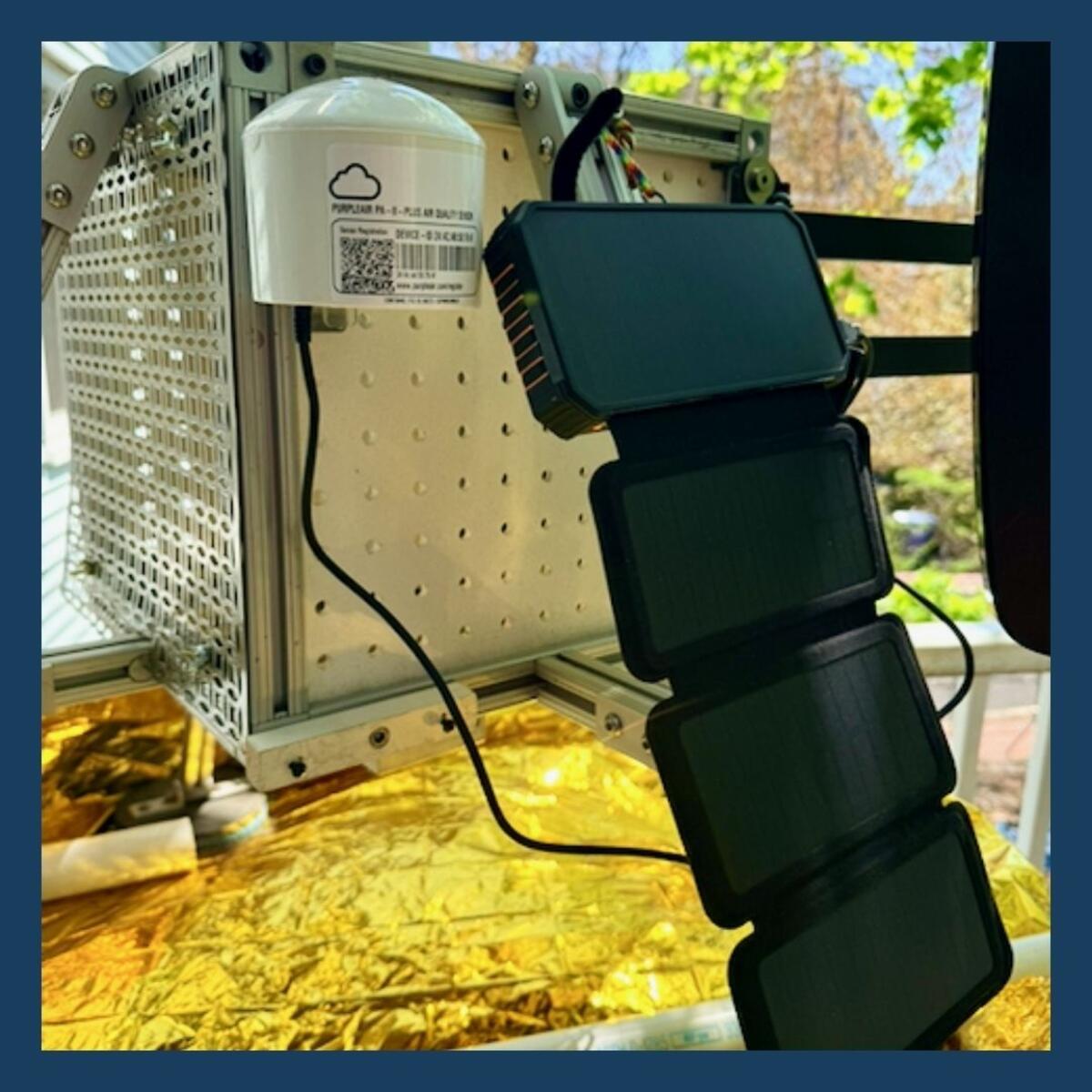
Breathe Easy, Allston Brighton is a local clean air project led by the Allston Brighton Health Collaborative (ABHC), in partnership with residents and researchers from Northeastern University, to measure and mitigate air pollution for those living along the Mass Pike corridor. Because the standard PurpleAir sensors that ABHC uses require an outdoor power source—which can limit participation for many residents—ABHC teamed up with Artisans Asylum, a local makerspace, to engineer a custom solar-powered battery pack. This innovative fix allows anyone to host a sensor and expands the neighborhood's monitoring footprint.
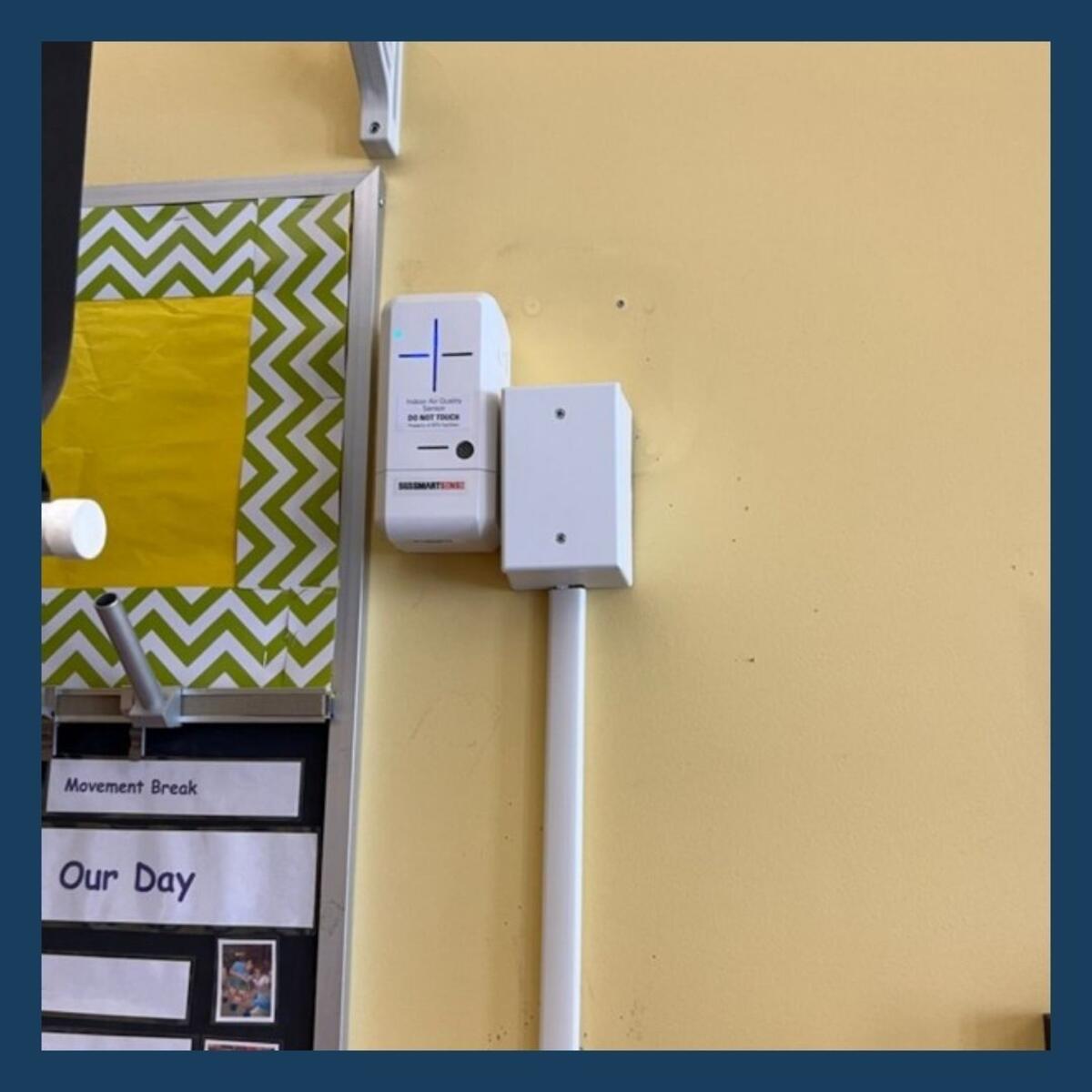
Boston Public Schools (BPS) manages one of the most comprehensive indoor air quality monitoring networks in the nation. By collecting real-time data from 4,500 sensors across all 119 schools, BPS actively monitors environmental conditions to deploy targeted facility interventions, safeguarding the health, comfort, and learning environment for thousands of students and staff every day. Utilizing this existing network, BPS is partnering with researchers from Boston University to develop and evaluate a novel school-based air pollution monitoring and action plan to reduce student and staff air pollution exposures.
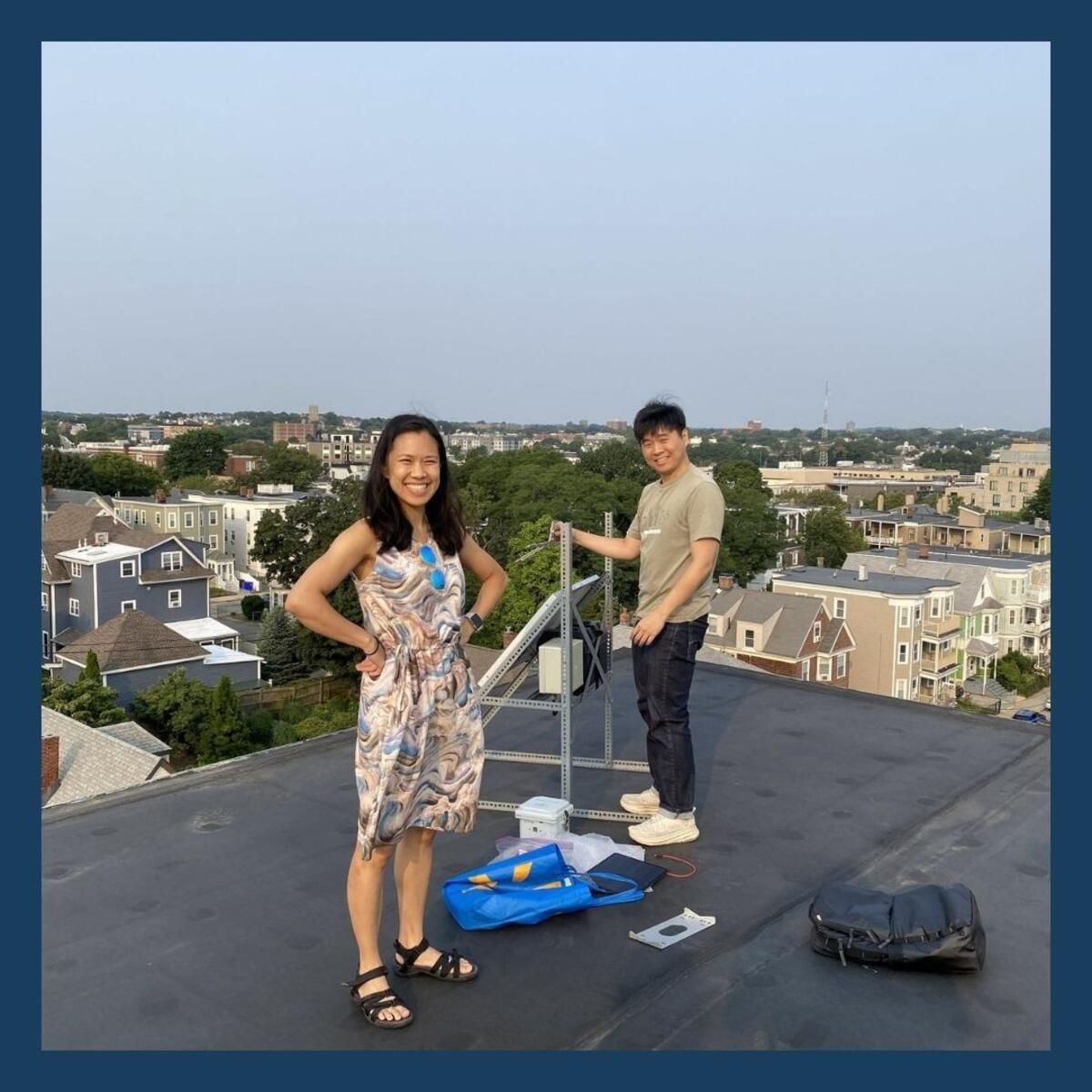
Air quality is critical to student health and academic performance, especially as climate change intensifies extreme weather and pollution events. Researchers at Boston University School of Public Health analyzed minute-level data from rooftop sensors across 108 Boston Public Schools to track school-level variations in fine particle pollution (PM2.5). Their findings reveal substantial differences in pollution exposure from neighborhood to neighborhood, demonstrating how dense, hyper-local sensor networks can help schools build highly specific, building-by-building exposure mitigation strategies. This analysis is part of a collaboration with Boston Public Schools to develop and evaluate a novel school-based air pollution monitoring and action plan to reduce student and staff air pollution exposures.
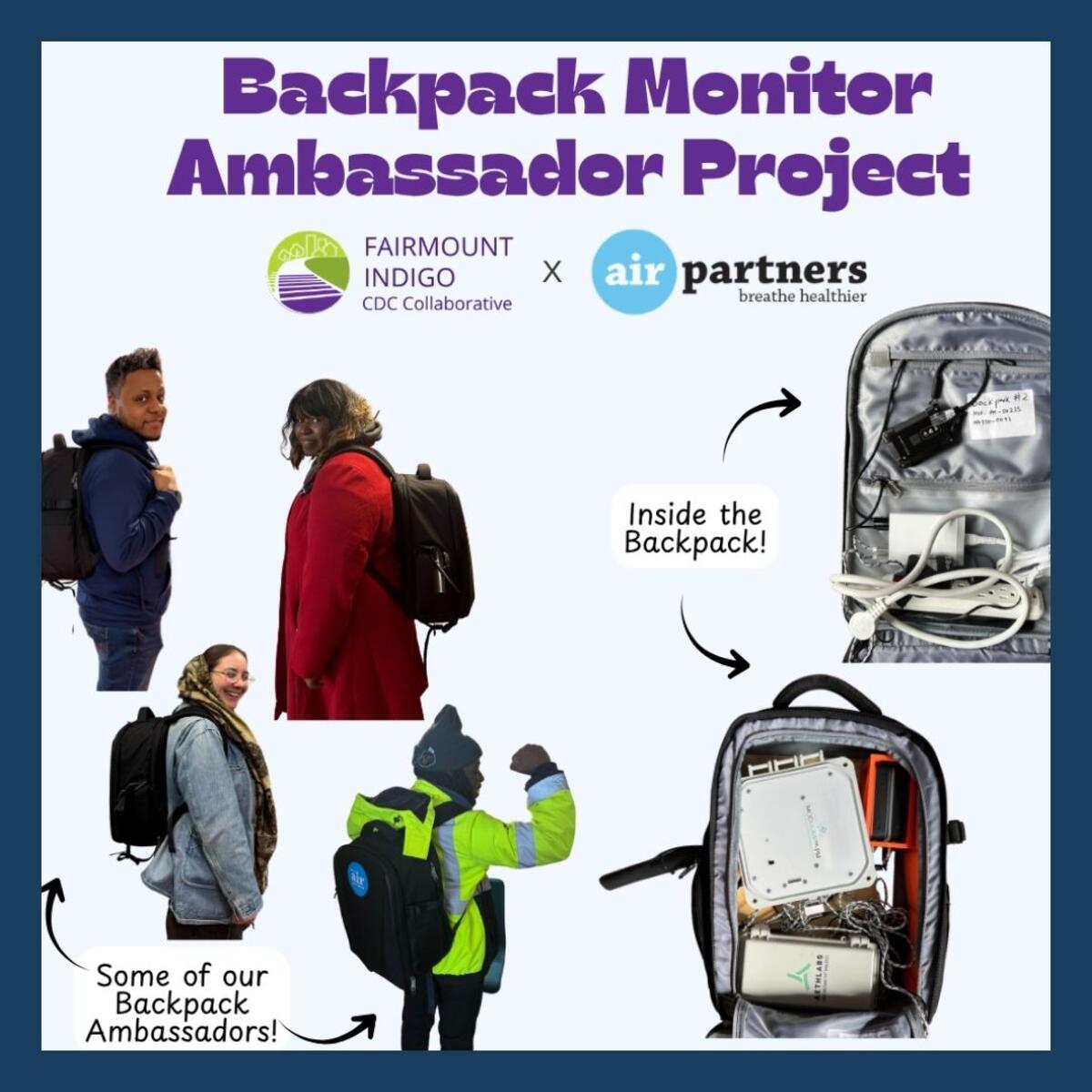
To track air quality from a commuter's perspective, the Fairmount Indigo CDC Collaborative and Air Partners launched the Backpack Monitor Ambassador Project. By equipping everyday residents with a backpack of specialized mobile air monitors, this project captures real-world data along the Fairmount Corridor, tracking personal pollution exposure during daily transit commutes, walks, and bike rides.
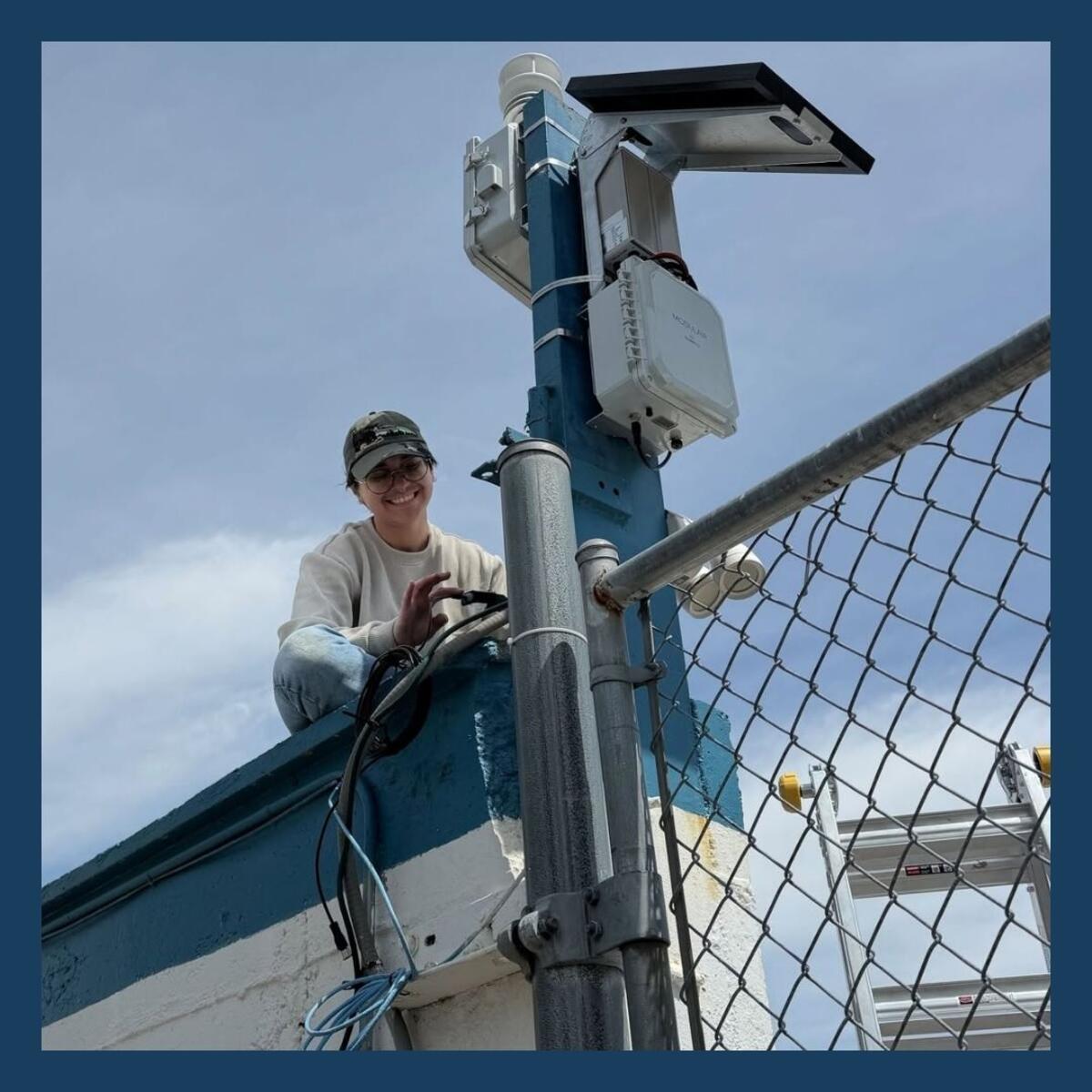
In East Boston—a neighborhood heavily burdened by emissions from Logan Airport, Route 1A, and marine industry—GreenRoots is deploying a localized air sensor network to quantify exactly what residents are breathing. By gathering neighborhood-level data, GreenRoots is empowering residents to advocate for structural solutions. Through a partnership with Northeastern University, they are also launching an interactive digital dashboard to make this data publicly accessible.
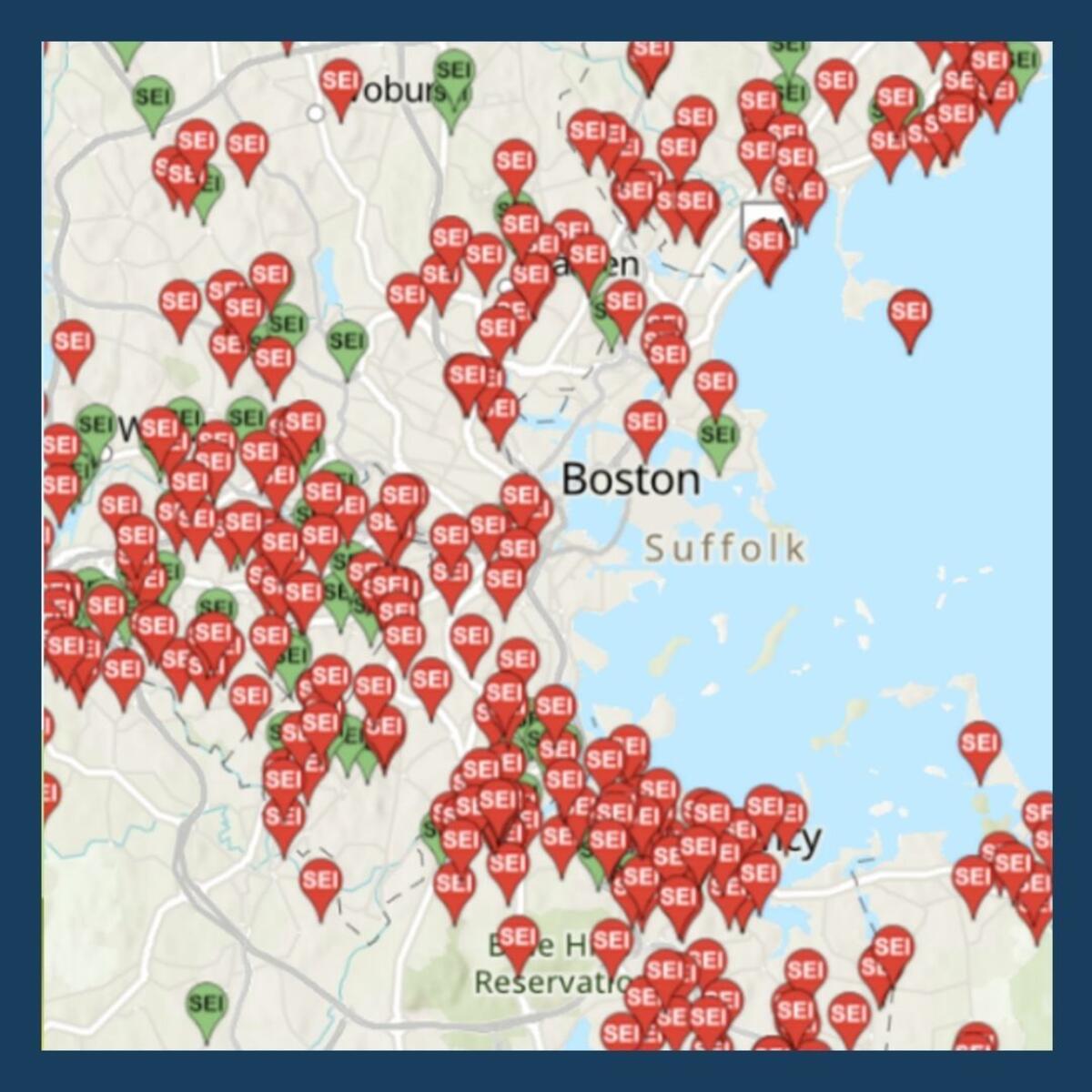
After HEET 's map of gas leaks catalyzed local climate and clean energy advocacy, Massachusetts passed a landmark law requiring utility companies to rapidly repair the state's largest environmental leaks. Collaborative research proved that the "leak extent method" was the most accurate way to catch the 7% of leaks responsible for the vast majority of methane emissions. Since the law's implementation, methane emissions from the state's gas distribution system have decreased by approximately 20%.

As part of its ongoing commitment to public science literacy and environmental justice, the Museum of Science supports and scales community-led environmental initiatives across the Commonwealth. This includes anchoring local air quality monitoring programs and community science data collection along high-volume transit corridors like I-93 and Route 128.

The Neighborhood of Affordable Housing's (NOAH) multi-generational air quality project facilitates online access while providing immediate public health relief to marginalized individuals in East Boston. NOAH achieved this by installing neighborhood sensors and training their youth crew to analyze the data and report findings back to the community. Complementing this data tracking, NOAH hosts community workshops where residents learn to build and maintain low-cost, DIY air purifiers for their homes.

Tufts Medical Center and Tufts’ Institute for Clinical Research and Health Policy Studies collaborate directly with Boston’s Chinatown residents and advocates on targeted climate resilience initiatives. This includes supporting Chinatown's Community Heat Action Plan, which successfully partnered with local residents to secure 12 improved neighborhood green spaces and delivered specialized grants to six local restaurants to pilot lower-emission commercial cooking technologies.
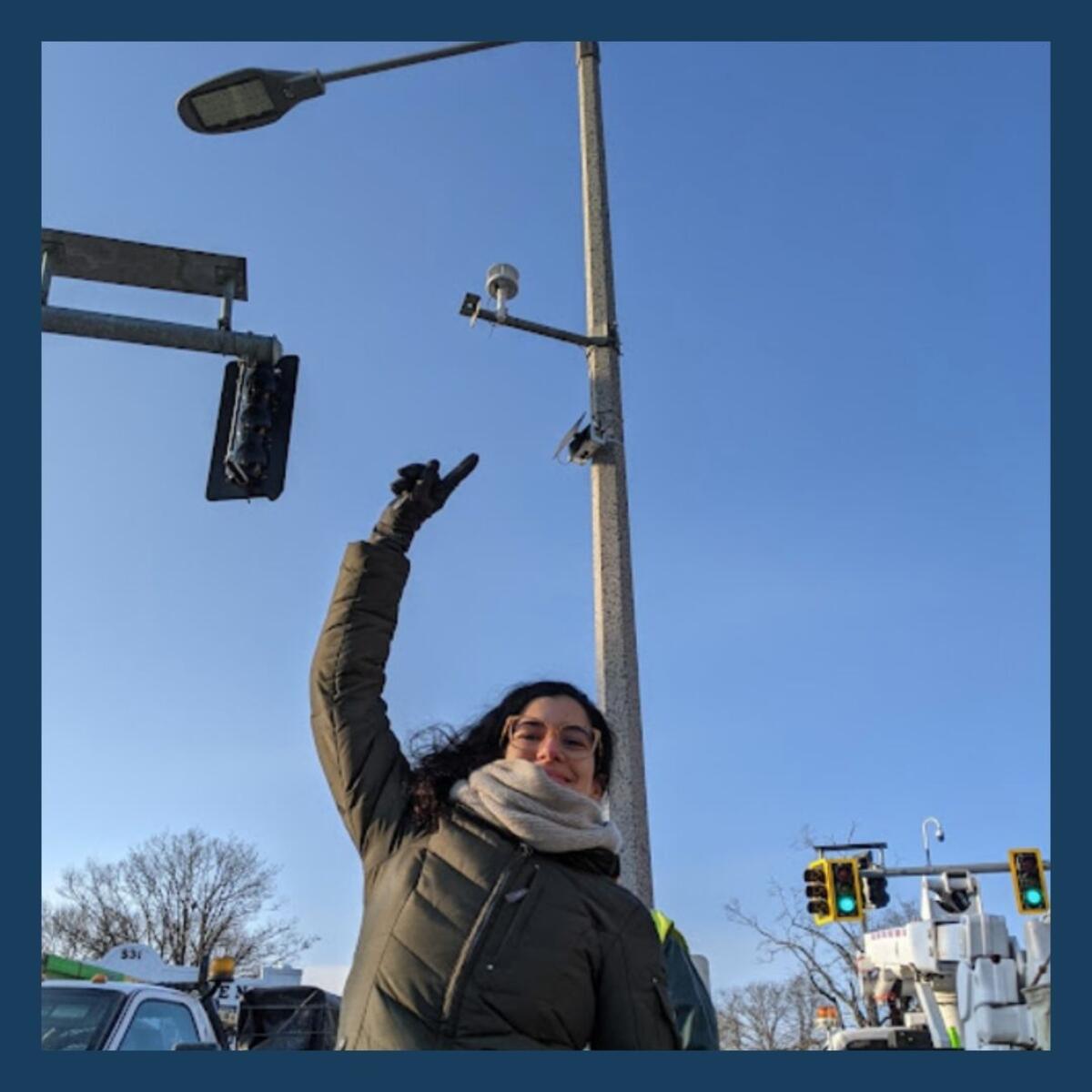
The Air Quality Team in the City of Boston Environment Department is dedicated to decreasing local air pollution and greenhouse gas emissions, and creating a healthier, more comfortable city for all residents to live, work, and play. The City anchors its work across three core pillars:
- Investing in Community-Led Solutions: The annual Community Clean Air Grant Program funds projects to monitor, mitigate, or reduce air pollution in Boston. So far, the program has awarded $1,257,480 to nine projects.
- Have an air quality project in mind? Through June 30, 2026, eligible non-profits are invited to apply for up to $200,000 through the 2026 application cycle.
- Measuring Infrastructure Impacts: The City actively tracks the air quality impacts of physical upgrades in our neighborhoods and homes. This includes deploying street-level sensor networks along major transit corridors like Cummins Highway and Columbus Avenue in Mattapan and Roxbury to measure how transit priority lanes and green infrastructure lower roadway emissions. It also includes a landmark pilot alongside the Boston Housing Authority, Codman Square NDC, and Boston University to transition Dorchester residents from gas stoves to clean induction cooking, monitoring the resulting improvements in indoor air quality and health.
- Building Collective Partnerships: The City is focused on pulling municipal, academic, and grassroots efforts out of traditional silos to secure long-term public health victories. Landmark partnerships include joining international frameworks like the Global Pledge for Healthy Indoor Air to advance clean air as a basic human right. Moving forward from our inaugural Boston Area Air Quality Summit, the City is launching a new, cross-sector Boston Area Air Quality Task Force. This collaborative body will feature thematic working groups dedicated to aligning local data, tracking regional strategy, and implementing community-informed science.
- Last updated:
-
Non-profits can receive up to $200,000 in air quality-related project funding!
