city_hall

Official websites use .boston.gov

A .boston.gov website belongs to an official government organization in the City of Boston.

lock

Secure .gov websites use HTTPS

A lock or https:// means you've safely connected to the .gov website. Share sensitive information only on official, secure websites.

Trash and Recycling Update
/
There will be no trash collection in any neighborhood on Christmas Day (Thursday, December 25). Visit the Trash Day app to see how your pickup schedule will be impacted.
Check your schedule

Places for Pollinators in Boston

Adapted by Jon Cook
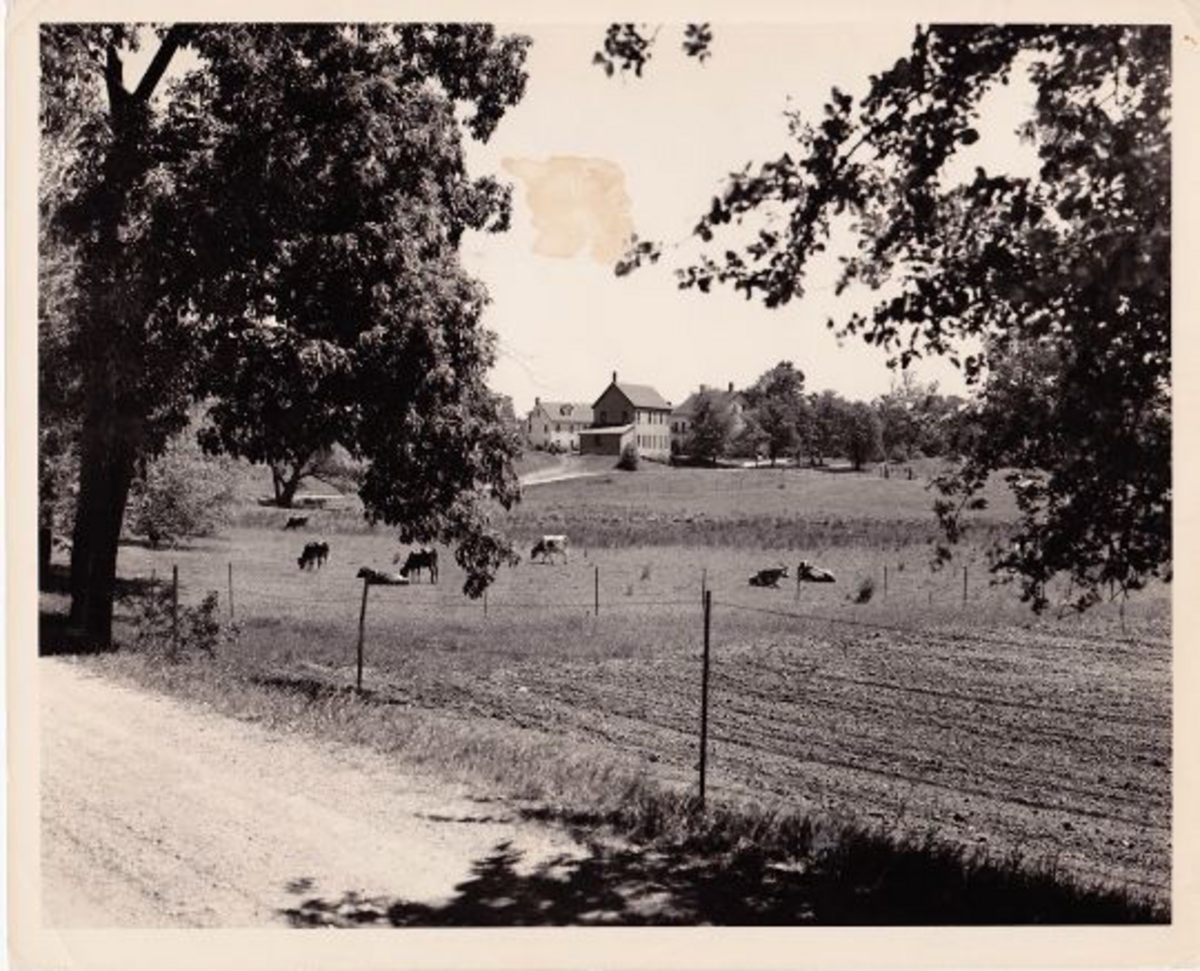
black and white image of a farm
Brook Farm, West Roxbury, 1840s

150 years ago, Boston was full of farms. On a farm, farmers grow food to sell to people in the community. The farmers also eat the food they grow. Because there were so many farms, pollinators had lots of places to go.
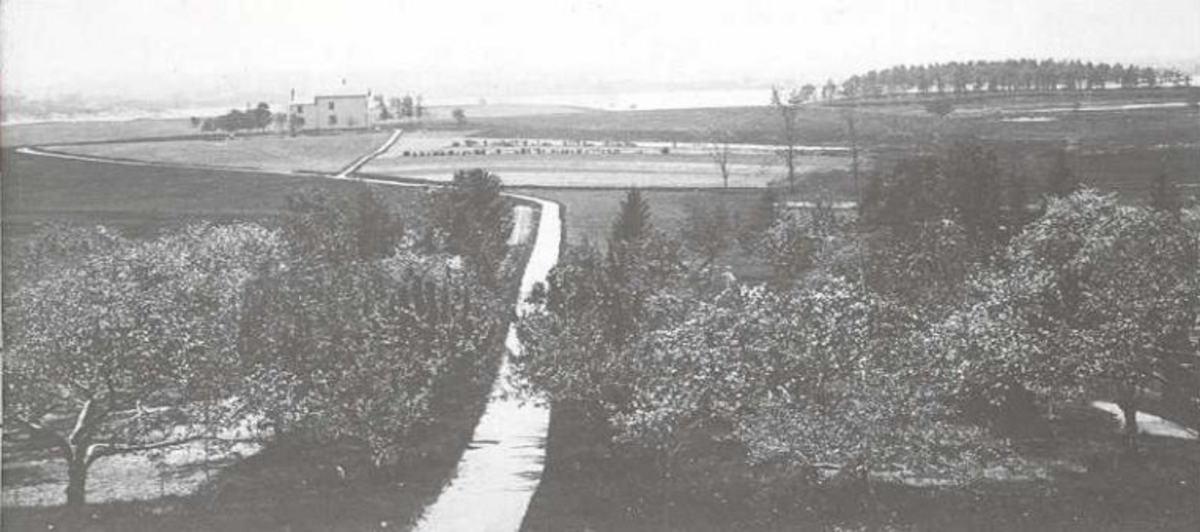
Black and white image of a farm with a path and trees
The Farm and Trade School, Thompson Island, 1860s

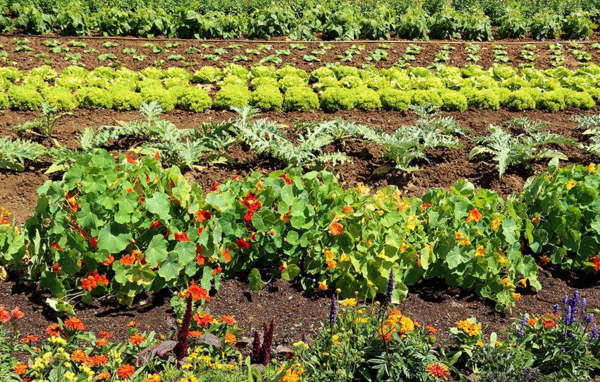
an image of several rows of planted vegetables

On a farm, there are many plants, and they grow close together. Fruit farmers plant their trees close together, too. This makes farms and orchards great places for pollinators. 
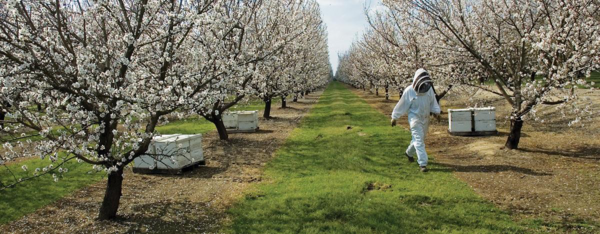
image of a beekeeper walking through an orchard

Where are fruits, vegetables, and other plants growing in Boston today? Where are the pollinators?

Now, Boston has many more buildings than it used to, and less space for growing trees and other plants. 
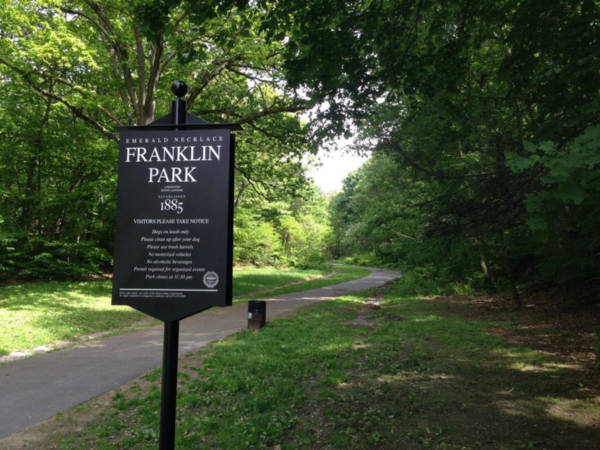
image of a park with a sign reading 'franklin park'

Green Spaces
Boston has some large “green” areas where plants and flowering trees grow, such as Franklin Park, the Emerald Necklace, and the Public Garden. These are places for pollinators. 

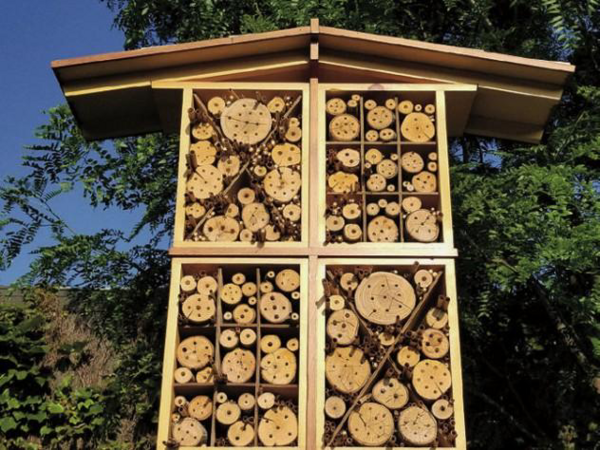
wooden box with pieces of wood that have holes in them for wild nesting bees

The Arnold Arboretum, designed by Frederick Law Olmstead, is another large park in Boston. People come here to Jamaica Plain to walk, ride bikes, walk dogs, and have picnics. 
This box at the Arboretum is built for wild nesting bees. 
Look closely!
Look back at the previous photo.
Why might the Arnold Arboretum be a good place for pollinators? 

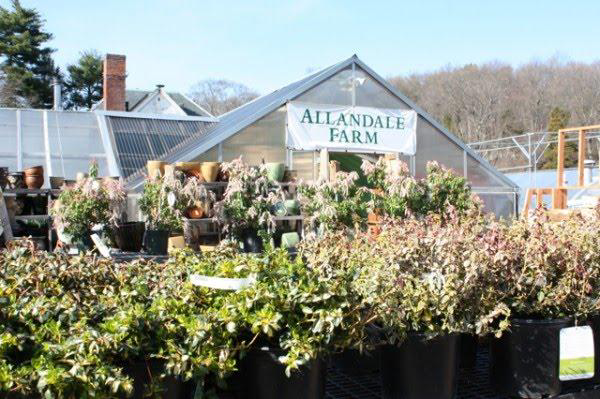
image of a farm with a sign hanging from a building reading "Allandale Farm"

Farms in Boston
Boston has working farms. Allandale Farm is in Jamaica Plain. Pollinators keep this farm producing fruits and vegetables in Boston.
The Fowler-Clark Farm was a farm over 200 years ago. The farmhouse is the oldest building in Mattapan. No one was living or farming there for a very long time.

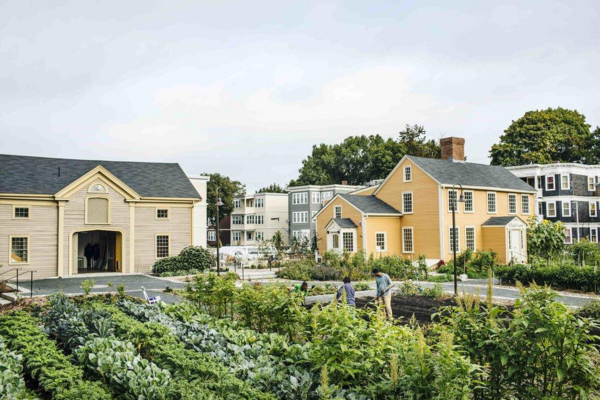
image of vegetable crops on a farm with two houses in the background

Now, organizers from the Urban Farming Institute have restored the land and buildings to create a new farm there, named the Fowler Clark Epstein Farm. 
Many people thought it was important to have a new farm in Boston, and they worked together to make this happen. 
Then-Mayor Marty Walsh said, “It’s exciting when you think about a farm in the City of Boston."
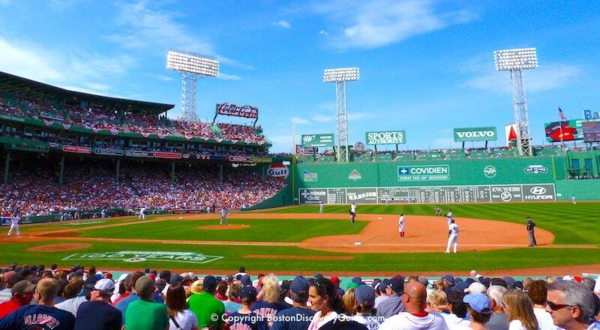
an image of a baseball field with the "Green Monster" wall in the background

Pedro Martínez played baseball at Fenway Park with the Boston Red Sox. What does Fenway Park have to do with farms?  
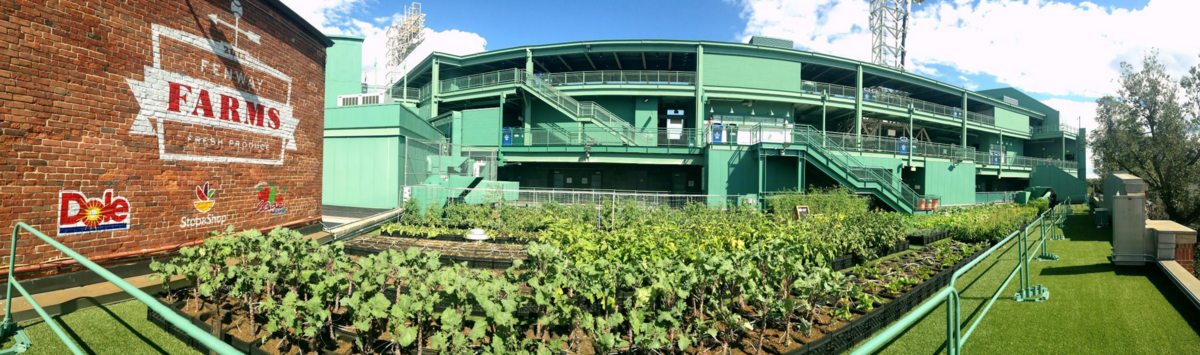
This! 
An image of a garden with vegetables planted outside of Fenway Park
The Boston Design Center is a huge building in Boston’s Seaport District. Inside there are large rooms full of furniture and other things for people’s homes and offices. 
The Boston Medical Center is a hospital located in the South End of Boston. 
What do these buildings have to do with farms and pollination?
an image of a rooftop garden

Look what’s on top of the Boston Design Center!
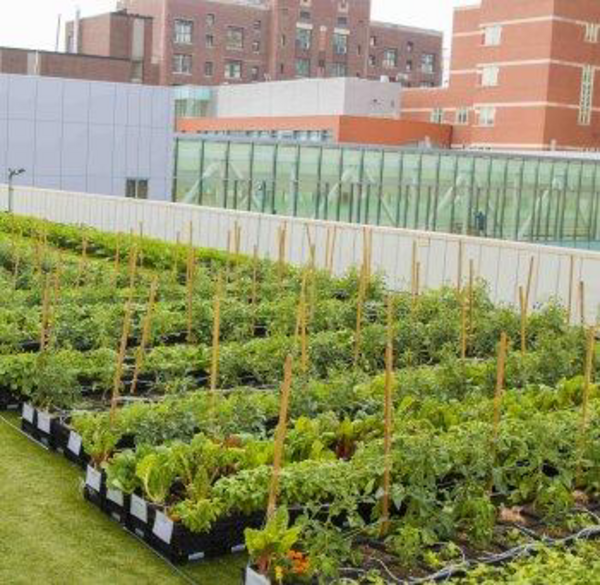
Look what’s on top of the Boston Medical Center! 
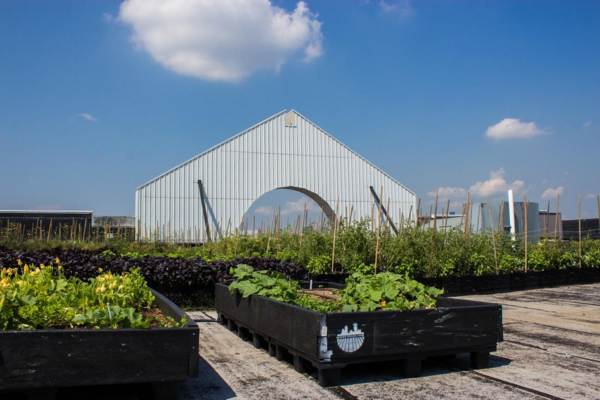
The rooftop farm on the Boston Medical Center is the largest rooftop farm in Boston.

an image of the rooftop farm at boston medical center

The farmers grow kale, tomatoes, bok choy, arugula, carrots, cucumbers, eggplants, and peppers. All of this food is for the hospital community—patients and staff. Much of the food is cooked for hospital meals. Some of it goes to the hospital’s food pantry so patients can take fresh vegetables home. And some of it is used in the Teaching Kitchen. In the Teaching Kitchen, patients learn new ways to prepare fresh vegetables. 
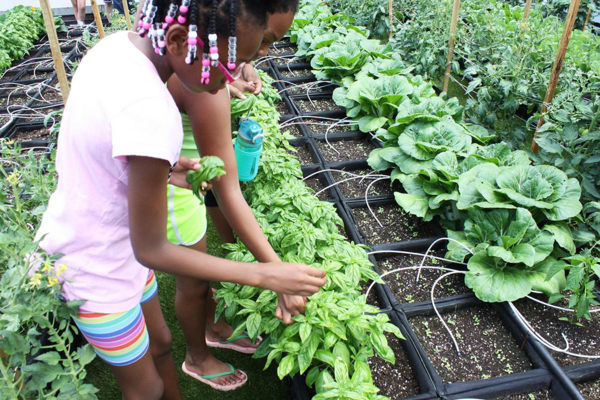
a child picking vegetables from a garden

Kids who are patients can go to the hospital summer camp. They help harvest crops from the farm. They also learn how to cook the vegetables in the Teaching Kitchen. The farm hopes to produce 15,000 pounds of food each season.  

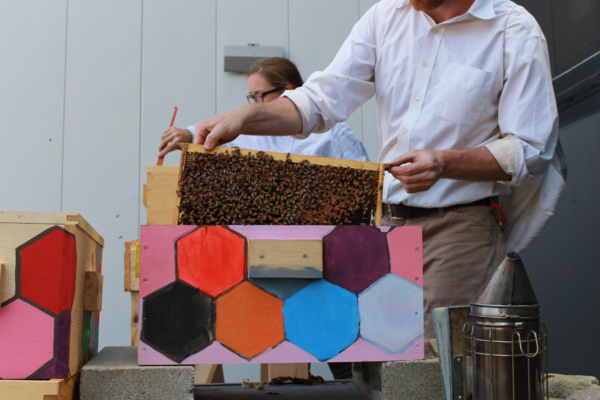
a multi-colored painted beehive

“The goal with our rooftop farm is to provide fresh, local produce to as many of our patients, employees, and community members as possible.” 
David Maffeo, BMC’s senior director of support services
The Boston Medical Center rooftop farm has bees! The beehives were painted bright colors by children patients at the hospital. The honey is also for the hospital community.
These buildings are places for pollinators in Boston!
Orchards in Boston
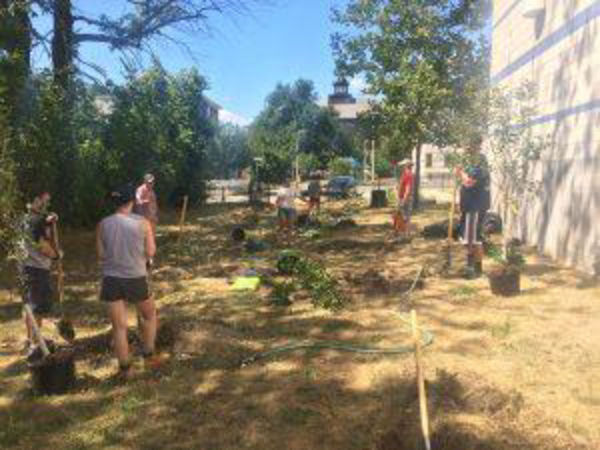
a group of people planting apple trees of orchard gardens pilot school in roxbury

Boston has orchards, like the ones that produced the first Roxbury Russet apples. Some of these fruit trees are in people’s yards. Others are on public land, where anyone can harvest fruit. The organization City Sprouts planted new apple trees at a school in Roxbury. 
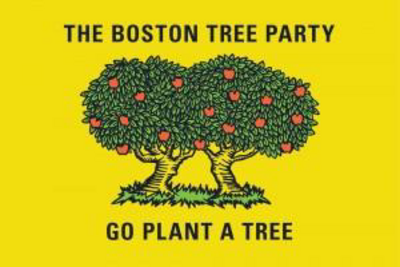
The Boston Tree Party is an organization of people who care about trees, apples, and pollination. 
image of a flag with two trees on it that reads "the boston tree party go plant a tree"
They plant pairs of apple trees in community spaces all around the city—schools, hospitals, parks, businesses, and places of worship. Planting two trees together makes cross-pollination possible, which is what apple trees need in order to produce fruit. 
The trees produce about 15,000 apples each year, and all of them are free for anyone to pick and eat. 

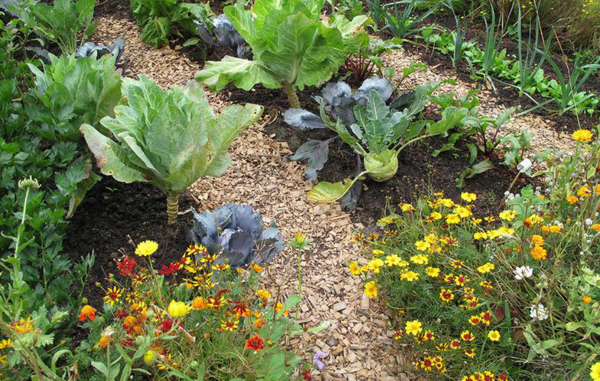
an image of flowers and vegetables in a garden

Gardens
Farms grow food for communities. Gardens are places where people grow food and flowers for themselves.
Some people in Boston have their own spaces for gardens. Hummingbirds, butterflies, bees, and other insects are attracted to the flowering plants. 
Some people grow tiny gardens in tiny spaces. These attract some pollinators, but they are harder for pollinators to reach. 
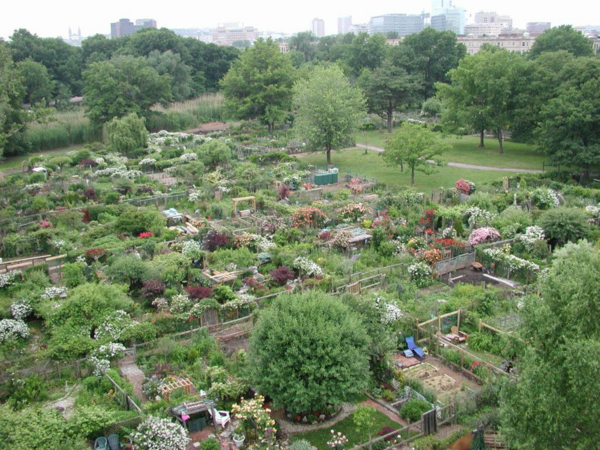
aerial image of a community garden

Community gardens are shared land for gardening. People and families each have a small space for growing what they want to. These spaces are called garden plots. All the small plots together make up one big garden. In a community garden, people can share tools, seeds, traditions, and ideas. 
Putting many small gardens together makes a place that is more attractive to pollinators. 
Boston now has 176 community gardens, scattered all through the city. These gardens are cared for by residents. Community gardens look different from each other depending on how much space there is. 
Community gardens are also different from each other depending on who gardens there. People plant plants that they like to eat and that are familiar to them. People in Boston come from all over the world, and they often grow plants that remind them of home. 
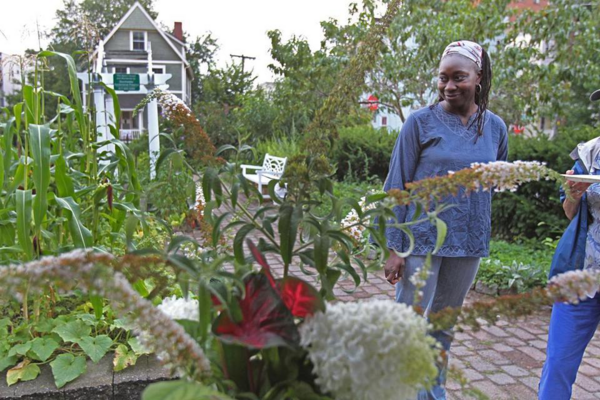
a woman in a zebra print dress and a hat smiling in front of a garden
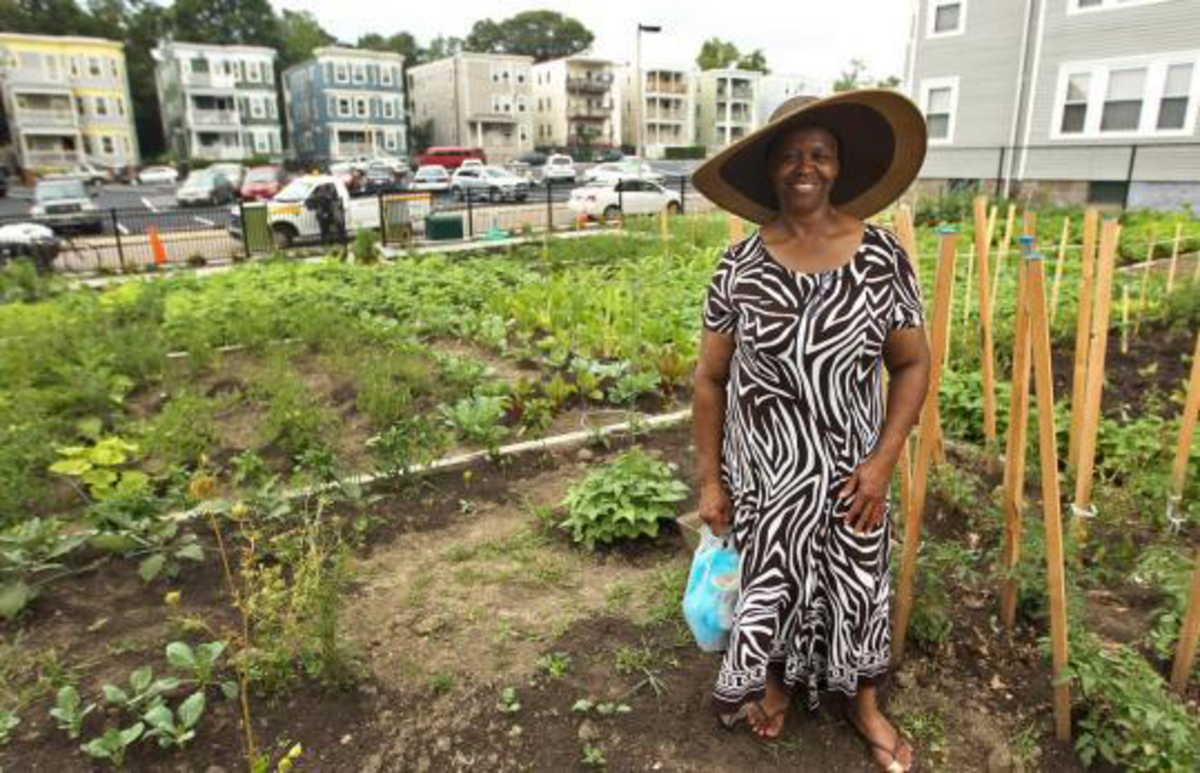
Elnora Thompson at the Nightingale Community Garden
Jhana Senxian smiling as she stares at the community garden on Coleman Street
The Boston Nature Center is a place to learn about the natural world, to take a walk, for school groups to visit, and even for kids to go to camp. 
There are community gardens at the Boston Nature Center… 
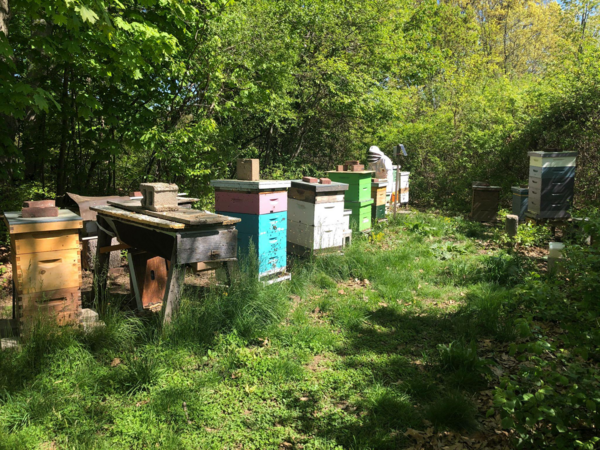
… and there is a community bee yard! 
a bee yard with wooden boxes
The Food Forest Coalition organizes different kinds of community growing places. A food forest is planted on unused plots of land. In a food forest, each gardener does not have their own space. Instead, all of the gardeners contribute to one community garden, and everyone shares the harvest. 

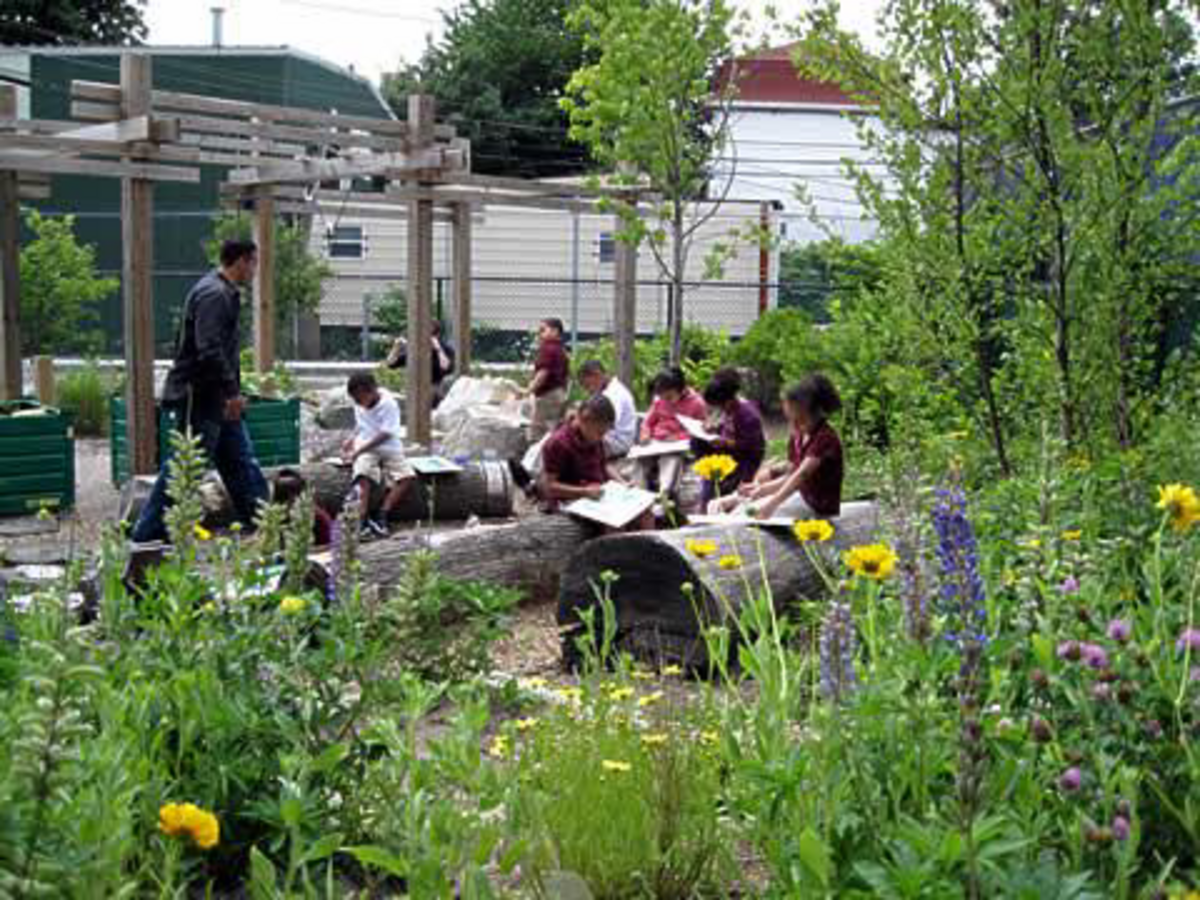
children sitting on logs in a garden, writing with an adult speaking to them
Mason School
Some gardens are in schoolyards around Boston. Children, teachers, and community members work together to build and plant the gardens. 
Schoolyard gardens are special places. Children can dig in the soil and plant seeds. They can harvest what they grow. They can plant to attract more pollinators. And they can get up close to pollinators to observe them. 
an image of children in a garden at the winship school
Winship School
a group of children standing and sitting around a potted plant, some of whom are tending to it

In any garden, farm, or orchard, pollinators find some of the nectar they need. The bigger the space for growing, the more pollinators will come. But even a very small space can attract pollinators. 

All around Boston, there are places for pollinators! 


Image Citations

Image 1: https://newbrookfarm.org/the-story-of-brook-farm/

Image 2: https://cathleenstoneisland.org/lib/file/manager/TIHistoryBookletLearni…

Images 3 and 4: https://www.rodalesorganiclife.com/garden/why-you-should-always-plant-flowers-in-your-vegetable-patch

Image 5: https://rootsrated.com/boston-ma/trail-running/the-wilderness-at-franklin-park-trail-running

Image 6: https://arboretum.harvard.edu/stories/the-buzz-on-bees/

Image 7: http://hikerinheels.blogspot.com/2010/06/buzz-on-over-to-allandale-farm.html

Image 8: https://www.edibleboston.com/blog/2019/6/25/a-farm-grows-in-mattapan-th…

Images 9 and 10: https://greencitygrowers.com/pressclips/the-future-of-urban-farming-sit…

Images 11 and 12: https://www.bostonmagazine.com/health/2017/07/13/bmc-rooftop-farm/

Image 13: https://www.citysprouts.org/news/planting-orchards-at-orchard-gardens-p…

Image 14: http://www.bostontreeparty.org/

Image 15: http://homebut.com/blog/a-cool-place-for-studying-by-aequo-studio/

Image 16: http://www.metropolismag.com/cities/common-boston-common-build-2/

Image 17: http://archive.boston.com/bostonglobe/editorial_opinion/editorials/articles/2011/10/05/civility_one_leaf_at_a_time/

Image 18: https://www.bostonglobe.com/metro/2012/12/15/the-community-garden/uG3H6gmzhNH55eLQkRAjzK/story.html?pic=11

Image 19: https://blogs.massaudubon.org/takingflight/tag/boston-nature-center/

Image 20:http://www.schoolyards.org/projects.completed.php-portfolioId=100&actio…

Image 21: http://www.schoolyards.org/projects.completed.php-portfolioId=130&action=detail.html

Image 22: https://blog.nwf.org/2017/06/six-tips-for-pollinator-gardens-in-small-s…


What's Next

  • Find more Story Stops.
  • Suggest a location for a Story Stop.
  • These Story Stops are part of Boston Reads. Learn more about Boston Reads.
  • If your family is part of Boston Saves, this story counts toward your child’s reading commitment! Boston Public Schools students in K2–3rd grade who explore books for 20 minutes a day, 20 days each month, can earn $5 every three months for their Boston Saves account.

    Log in to the Savings Center. In the Exploring Books box at the bottom of the page, click on the link to fill out the current Exploring Books form. Boston Saves will add the $5 to your child’s Boston Saves account within 1-2 weeks.

    Not sure if you’re a part of Boston Saves? Go here to learn more: Boston Saves.

Back to top