
Boston Curb Lab: Using AI and Open data to improve curb management
Bringing modern data tools and artificial intelligence to curb management; making Boston's streets safer, more accessible, and easier to navigate for everyone.
The Boston Curb Lab is an initiative of the City of Boston's Office of Emerging Technology that uses artificial intelligence, open data standards, and modern software to help the City proactively manage curb space for the first time. The Curb Lab builds tools that bring all of this information together, helping City staff make better decisions and giving residents clearer, more reliable information.
The Curb Lab's work is funded by a U.S. Department of Transportation SMART Grant, awarded in 2024, and operates in close collaboration with the Office of the Parking Clerk, Streets Cabinet, New Mobility team, and Analytics Team.
-

617-635-2337
-
Have Questions?
Contact: Office of Emerging Technology

Project Goals
- Build a comprehensive, accurate digital inventory of every curb regulation in Boston using open-source tools any city can adopt;
- Use that inventory to improve resident accessibility, curbside safety, city efficiency, and local economic development; and
- Share all code, data, and lessons learned so other cities can follow Boston's approach without building everything from scratch.
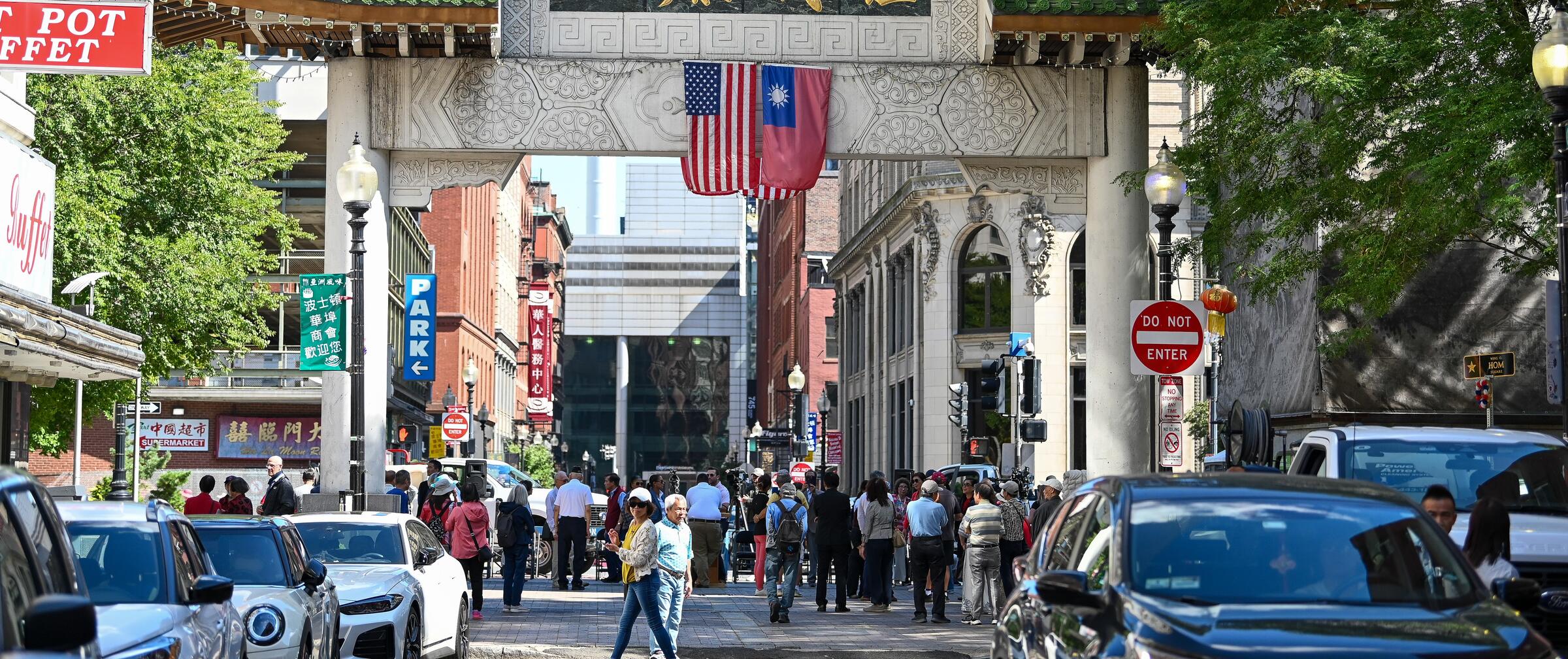
The Boston Curb Lab aims to equip anyone in Boston with up-to-date and necessary information, for:
- Residents to understand where they can park and for how long,
- Delivery drivers to find safe and legal places to load and unload,
- People with disabilities to identify accessible routes and drop-off zones,
- Businesses to that depend on customers being able to stop, even briefly,
- City leaders, urban planners, and researchers to have reliable curb data for informed decision making.
Project Timeline
Phase 1: initial research and requirements gathering
(december 2024 - april 2025)
Partnered with the UrbanismNext research team at the University of Oregon to conduct a comprehensive assessment of curb data needs and opportunities across City Hall. Identified the greatest areas for impact and confirmed that a digital curb inventory, built with open-source tools the City owns, would be the most valuable foundation for all future work.
Phase 2: prototyping and user research
(May 2025 - August 2025)
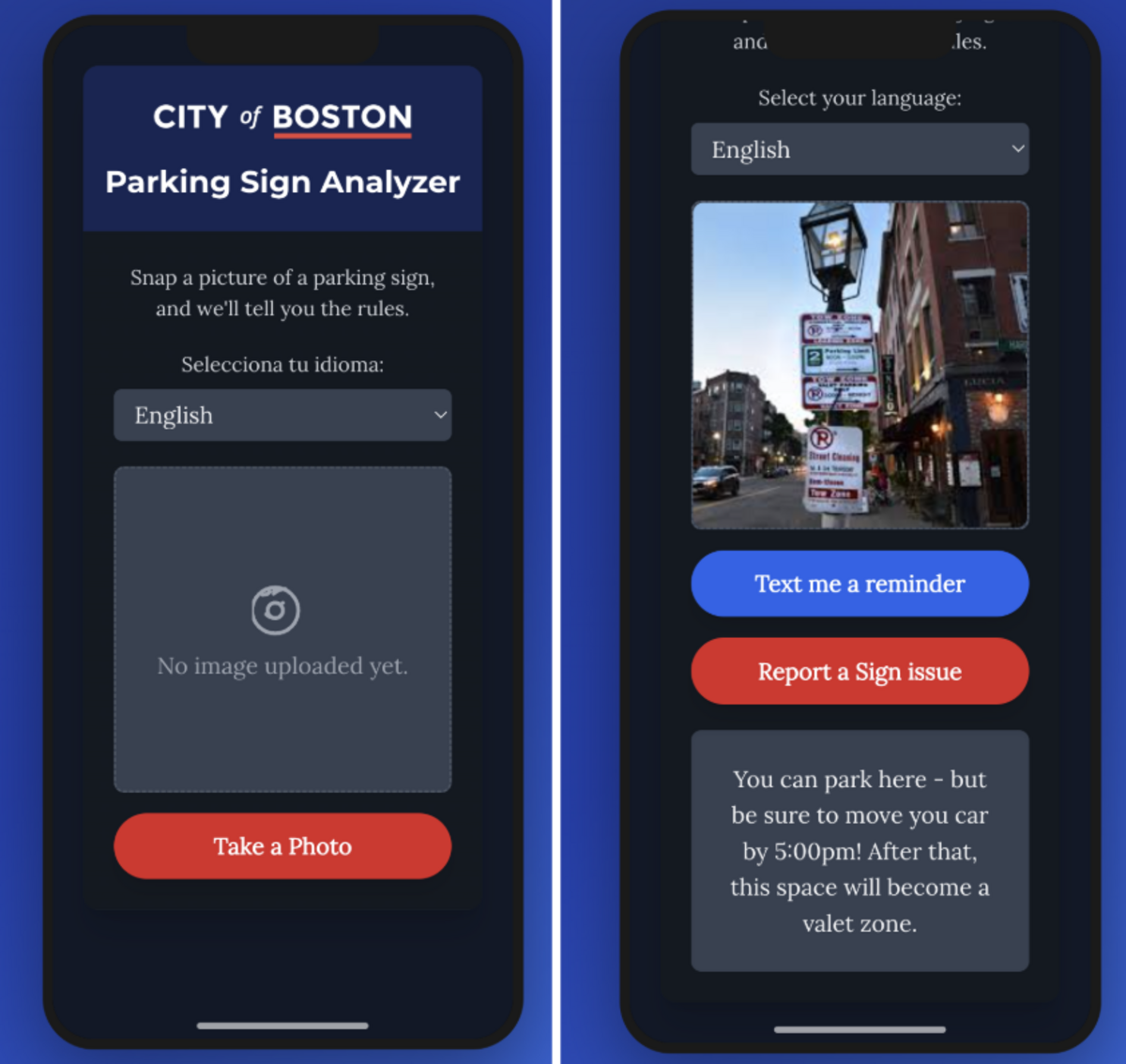
Developed multiple digital prototypes and collected feedback from City residents and City Hall Staff, including apps for translating and decoding the City's most confusing signs. Confirmed data requirements and collected valuable insights about the best ways for users to engage with curb data.
Phase 3: developing new tools and systems
(September 2025 - January 2026)
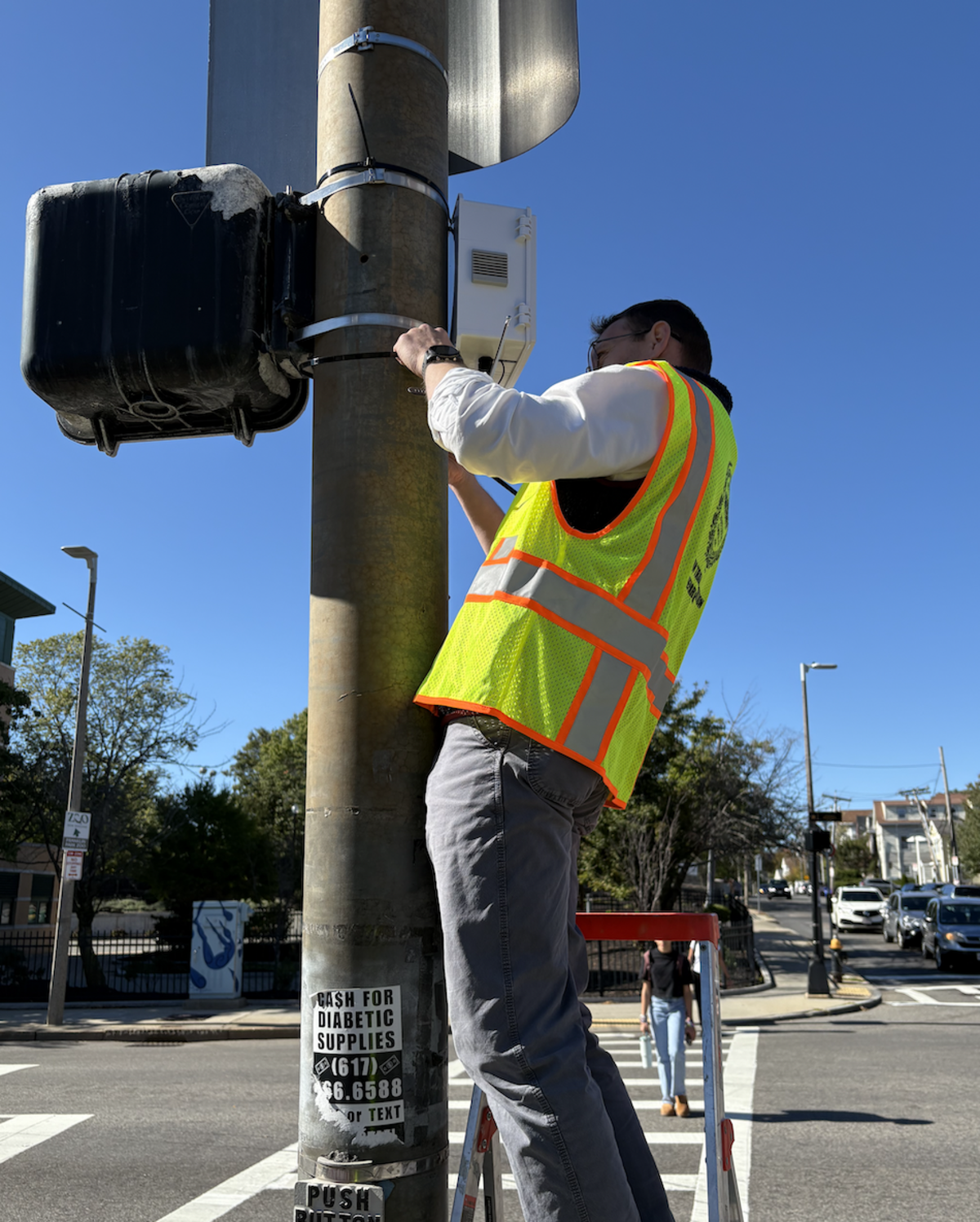
Working with Cambridge Systematics, built foundational components of the City's curb data system. All tools are built on the Curb Data Specification (CDS), an open standard from the Open Mobility Foundation. Also partnered with CodeMetal to develop a low-cost, privacy-preserving traffic sensor system for collecting real-time curb condition and traffic data.
Phase 4: Pilots, Integrations, and Impact
(February 2026 and beyond)
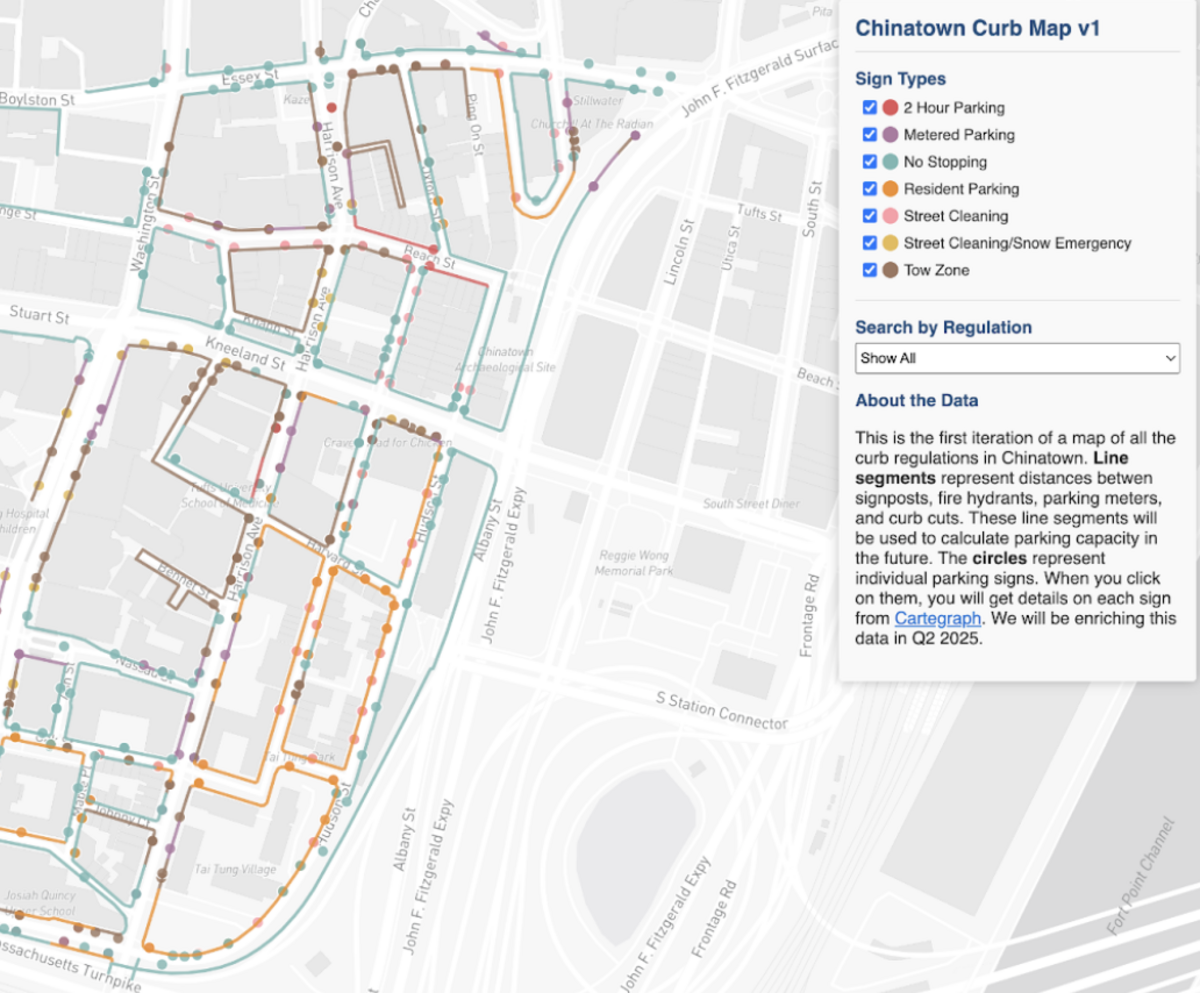
Launching pilot programs across four impact areas: curbside safety, resident accessibility, city efficiency, and economic development. For residents, we're deploying a public-facing curb regulation map, a smart resident loading zone pilots, and systems for improving city signage. For City Hall workers. We are launching an integrated curb management platform to improve data access, collaboration, and decision-making. We are also investing in new real-time data collection tools that support city planners and policy makers.
What We're Building
The Curb Management Tech Stack
- Curb Digitization Engine (CD-Engine)
- Curb Digitization Linked Inventory of Variable Events (CD-Live)
- Curb Digitization Governance, APIs, Transfers, and Engagement (CD-Gate)
CD-Engine
CD-Live
cd-gate
Exeternal Partners
PartnershipsFREQUENTLY ASKED QUESTIONS
FREQUENTLY ASKED QUESTIONSCDS is an open data standard developed by the Open Mobility Foundation that provides a common format for describing parking rules, loading zones, time restrictions, and other curb regulations. It makes curb information available to the systems residents and businesses already use, like mapping apps, delivery platforms, and city permitting tools. It also means other cities can adopt Boston's approach without building everything from scratch.
Every delivery truck circling for a loading zone adds congestion and emissions. Every unclear sign creates confusion and safety risks. Managing curb space well affects how people get around, how businesses operate, and the quality of life in neighborhoods across the city.
Much of the technology is being built in-house. We are also taking advantage of off-the-shelf solutions when we believe an external vendor can provide better value for the investment. The systems built by the Curb Lab use open-source software and open data standards wherever possible so other cities can benefit and expand the CDS network.
Yes. All code the Curb Lab produces will be open-sourced and made available via public API on the Analyze Boston Open data portal, in the coming months. Once completed, Boston will be the first major city in the country to use entirely open-source tools to create and share curb data with the public.
The Curb Lab is funded by a U.S. Department of Transportation SMART Grant, awarded in 2024. The SMART Grant program is a research and development grant that supports innovative transportation projects nationwide. This grant funding is available until February 2027.


-
617-635-2337
-
Have Questions?
Contact: Office of Emerging Technology
