
Building Material Reuse
Free technical assistance to help reduce construction and demolition waste, reuse building materials, and achieve sustainability goals.
By encouraging reuse and recycling, the Environment Department hopes to ease demand for virgin building products and reduce landfill waste, lessening the significant harms at both ends of the linear material economy. Reuse can also preserve aspects of Boston’s historic character by salvaging irreplaceable heritage materials—building elements made with resources or craftsmanship that were once common but are now rare or unavailable. Developing reuse markets creates jobs for contractors, resellers, and recyclers, generating affordable high-quality materials from short, resilient supply chains.
Why Reuse?
Boston produces an estimated 640,000 tons of construction and demolition debris each year. Much of that could be reused or recycled, but is wasted instead—enough to fill 26,000 dump trucks. Lined up bumper to bumper, those trucks would stretch from Boston to Portland, Maine.
ENVIRONMENTAL PROTECTIONNearby landfills are reaching capacity and will not have room for construction waste in the coming years. By reusing construction materials, Boston can reduce its carbon emissions by not shipping waste long distances to landfills and by using fewer new materials that require a lot of energy to produce and ship here.
JOB CREATIONBuilding our local circular economy means more jobs for Boston. Reuse and refurbishment industries create up to 300 jobs for every 10,000 tons of waste, whereas the traditional demolition and landfilling industries create only one to six jobs.
COST SAVINGSMany construction materials are available secondhand at a higher quality and lower cost than new products.
HISTORIC PRESERVATIONReusing the high-quality building materials found in Boston’s historic buildings allows new construction to preserve our city’s unique history and neighborhood character.
Building Material Reuse 101
Deconstruction is the orderly dismantling of a structure to preserve the value of its materials. It directs reusable and recyclable materials to their best use, minimizing the amount going to landfill or incinerator. Considerations to the structure's material composition and age, market demand, project scope, and storage capacity all help shape a customized deconstruction plan.
Keep / Donate / SellAfter it has been salvaged, there are many pathways a building material can take. An owner may reuse it immediately or reserve it for future use in the same project or another one in their portfolio. It may be donated, making the donor eligible for a tax deduction. Or it may be sold to a broker or peer-to-peer buyer.
ReuseIncorporate secondary products into the planning and construction of a project. Used products are often available in excellent condition, at higher quality and/or lower price.
Building Material Reuse Study
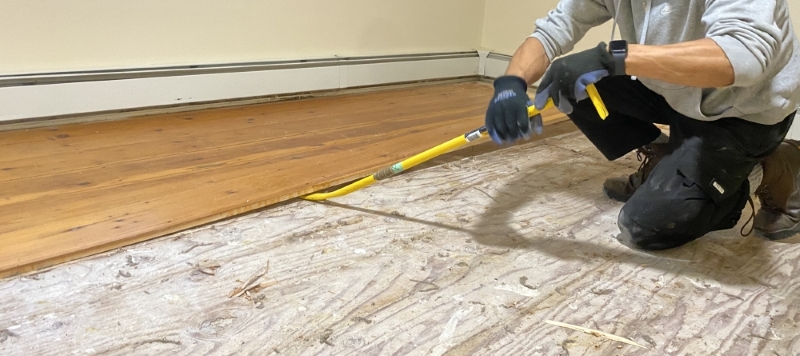
The City of Boston's Building Material Reuse Study is a research initiative to help reduce building demolition waste, provide builders with high-quality reused construction materials, and help Boston achieve its carbon neutrality and zero waste goals. Property owners in Boston are invited to participate in this study if they have buildings scheduled for demolition or a significant renovation. Learn more.

