
Where We Live: Boston Expands Book 2
Written by Dr. Hollee Freeman
Illustrated by Ariana Chariton

The Early 1900s
Boston began to transform as more and more people began living there. Workers started to construct many homes, shops, and railroads. At first, men mostly worked in the factories and on construction projects, and women mostly served as maids and dressmakers. They washed and tailored shirts and pants for people working in the city.

As people began to need more goods, both men and women had to work in factories. They made sneakers, clothes, rubber goods, candy, and other products.

Some people did not like working long days in the unsafe, dirty factories. They did not want to get hurt or get burned working near the hot equipment. Instead, they decided to open small grocery stores and other shops in their neighborhoods. These small shops helped immigrants make money to support their families. It was also a way for them to keep their cultures and traditions alive.

The 1920s and 1930s
In the 1920s, the number of people in Boston continued to expand, with immigrants from even more countries! They had many reasons for why they moved. Some people could not find a job in their home country. Some people were not treated fairly by the leaders in their country. Some people wanted to join family members who had already moved to America. It was important for them to bring their customs and cultures with them to their new home in Boston.


There were some people who felt that too many new immigrants were entering cities like Boston. The government made laws that barred immigrants from some countries from moving to America. These laws made it hard for people who wanted to depart their homeland. These laws also hurt the city of Boston because immigrants served the city in lots of important ways.

In the 1930s Boston needed more people to work in factories. At the same time, some people in other countries wanted a new place to live.
The government permitted families from countries who were fleeing from hard times or wars to enter America. The families came from China, Cuba, and Eastern Europe. African American southerners and Puerto Ricans also moved to Boston and helped fill jobs at local factories.

The 1960s to the Present

In the 1990s, more families departed from countries in Africa, such as Ethiopia and Somalia. Other recent immigrants have come from countries such as Vietnam, El Salvador, India, Haiti, and Guatemala. For each group of people, it was important to remember their culture in their new home in Boston.

Many different people live in Boston today. They share their languages, stories, food, perspectives, music, and more. As people from different cultures live and work together, new cultures form in Boston. Here in Boston we can learn about and respect people from all over the world.
Talk about the Text
1. What is one thing that happened as more and more immigrants moved to Boston?
2. How has culture in Boston changed over time?
3. If laws prevented immigrants from coming to Boston, how do you think Boston would be today?
About the Author and Illustrator
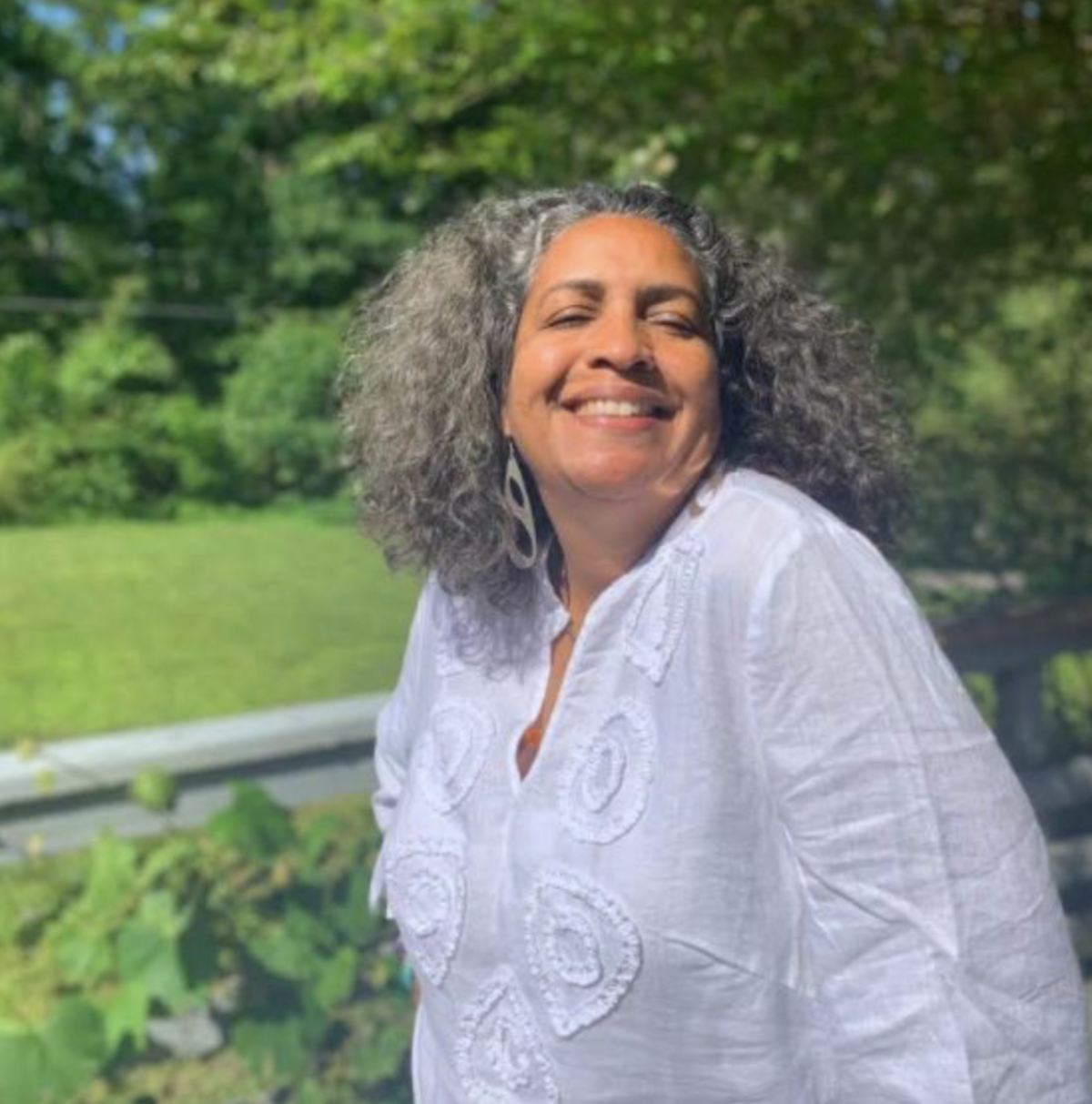
Dr. Hollee Freeman is a career educator with over 30 years of experience working in New York City, NY, Boston, MA and Richmond, VA. When she is not beekeeping in her apiary, you can find Hollee taking photographs of nature, gardening, and hiking. Hollee has written numerous book chapters and articles focused on educational reform, teaching, gender equity, and STEM. She has also written three children’s books.
Through writing, Hollee looks for connections between herself and the world. It is her sincere hope that you find joy and connection in the themes found in this (and other) books, that you ask questions and think of new ways of telling this story, other stories and of course, your OWN story.
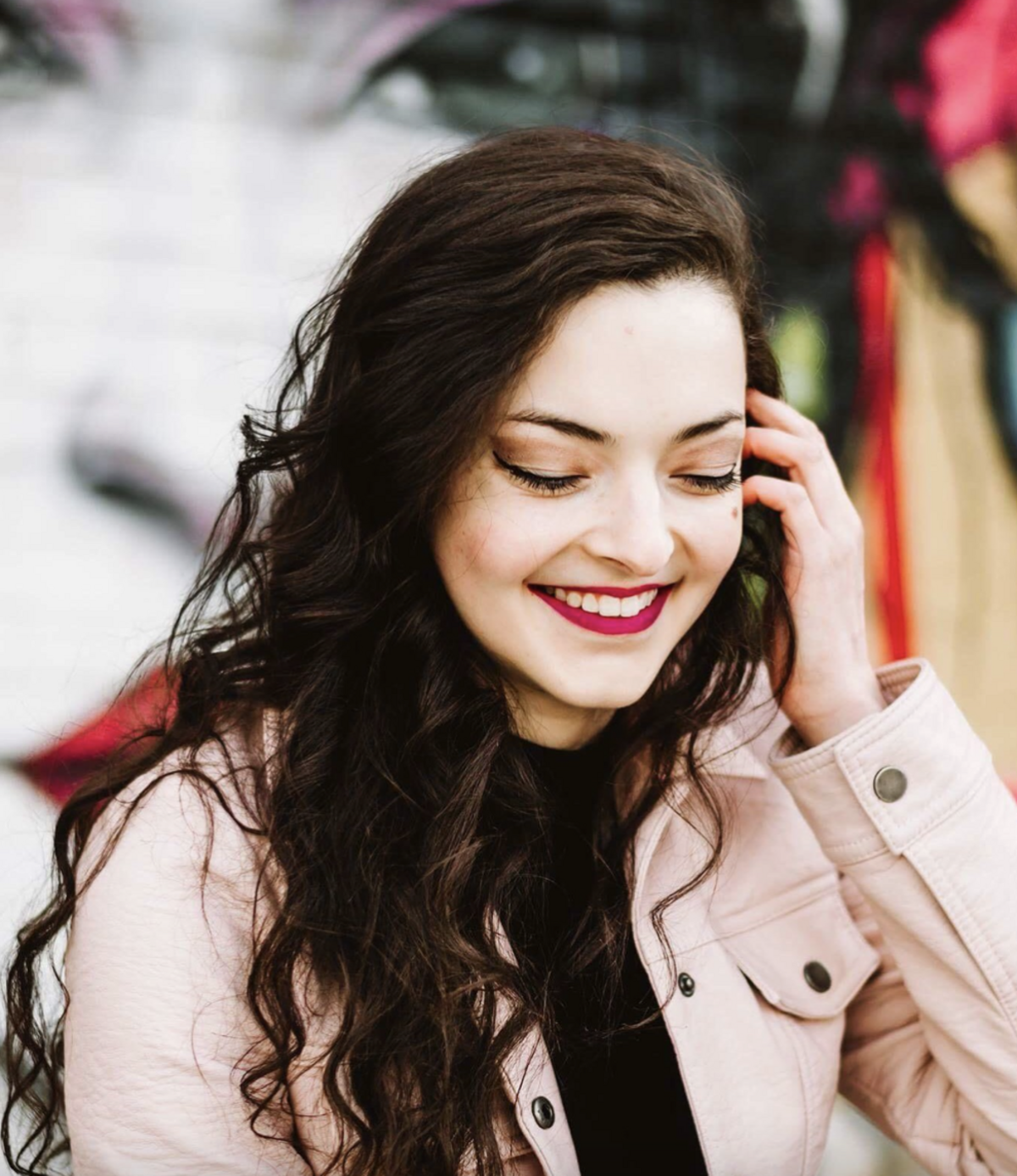
Ariana Chariton is 24 years old and grew up in Walpole, Massachusetts. She currently lives in Grapevine, Texas. She went to college at Massachusetts College of Art and Design to be a fashion designer but instead became an illustrator.
When she was growing up, Ariana’s favorite place to go in Boston was the Museum of Science. When she got older and moved to the Roxbury/ Mission Hill neighborhood to go to college, she loved running to Jamaica Pond because it was so beautiful. She also loved going to Purple Cactus in Jamaica Plain for a burrito and a smoothie.
Ariana has always loved drawing and making art and still does. She hopes that if you enjoy drawing, you will draw your version of this story!
What's Next
- Find more Story Stops.
- Suggest a location for a Story Stop.
- These Story Stops are part of Boston Reads. Learn more about Boston Reads.
- If your family is part of Boston Saves, this story counts toward your child’s reading commitment! Boston Public Schools students in K2–3rd grade who explore books for 20 minutes a day, 20 days each month, can earn $5 every three months for their Boston Saves account.
Log in to the Savings Center. In the Exploring Books box at the bottom of the page, click on the link to fill out the current Exploring Books form. Boston Saves will add the $5 to your child’s Boston Saves account within 1-2 weeks.
Not sure if you’re a part of Boston Saves? Go here to learn more: Boston Saves.
