
The Wonders of Pollination
Written by Dr. Hollee Freeman
Illustrated by Ariana Chariton

In the early spring flowers start to bloom. Did you know that vegetables and trees bloom too? It’s true! When the weather warms up, start to look for flowers on vegetable plants and trees. All flowering plants need to be pollinated to develop food for you to eat and seeds needed for the next generation of flowers and plants.

In order to pollinate a flower or plant, pollen from the anthers of one flower must stick to the stigma of another flower. Fertilization in the flower ensues, and fruit and seeds begin to develop.

Using their fragrant aroma, flowers attract pollinators such as honeybees, butterflies, wasps, ants, birds, bats, and other animals.

When honey bees suck the nectar from a flower, pollen on the flower's anthers sticks to their hairy legs and body.
When the bee moves on from that flower and chooses another flower, it leaves pollen residue on the stigma of that new flower. Once the pollen travels down the flower, the flower becomes fertilized and then continues to develop more seeds for new plants.

Sometimes pollinators get sick from pesticides and disease and can’t pollinate flowers. When this happens or when people want to boost their supply of crops, they will hand pollinate flowers.
To hand pollinate, someone will calmly shake a plant and use a small tool like a paintbrush or cotton swab to transfer pollen from one part of a flower to another.

Some plants, such as oak, birch, and cottonwood, are pollinated by the wind. These plants usually bloom in the early spring, just before the leaves of the plant start to grow. Pollen from wind-pollinated plants is lightweight, so the wind can be more effective when moving the pollen particles from one plant to another.

Some flowers, such as water lilies and orchids, use water to lead insects inside their flowers. Once the insect is trapped, the pollen on their bodies helps pollinate their flowers. Sometimes the insect is wounded and doesn’t survive!


Pollination is a very important way for flowers and plants to grow and thrive. Even though pollination can happen in a lot of different ways, most pollination is done by animals. This has huge value to plants and people. When pollination is done by animals, we enjoy more plant diversity. We see proof of this when flowers bloom in lots of amazing colors and scents.
TALK ABOUT THE TEXT
1. Why is pollination necessary for flowering plants?
2. What are some different ways flowers and plants are pollinated?
3. What effect do pesticides have on pollination?
About the Author and Illustrator
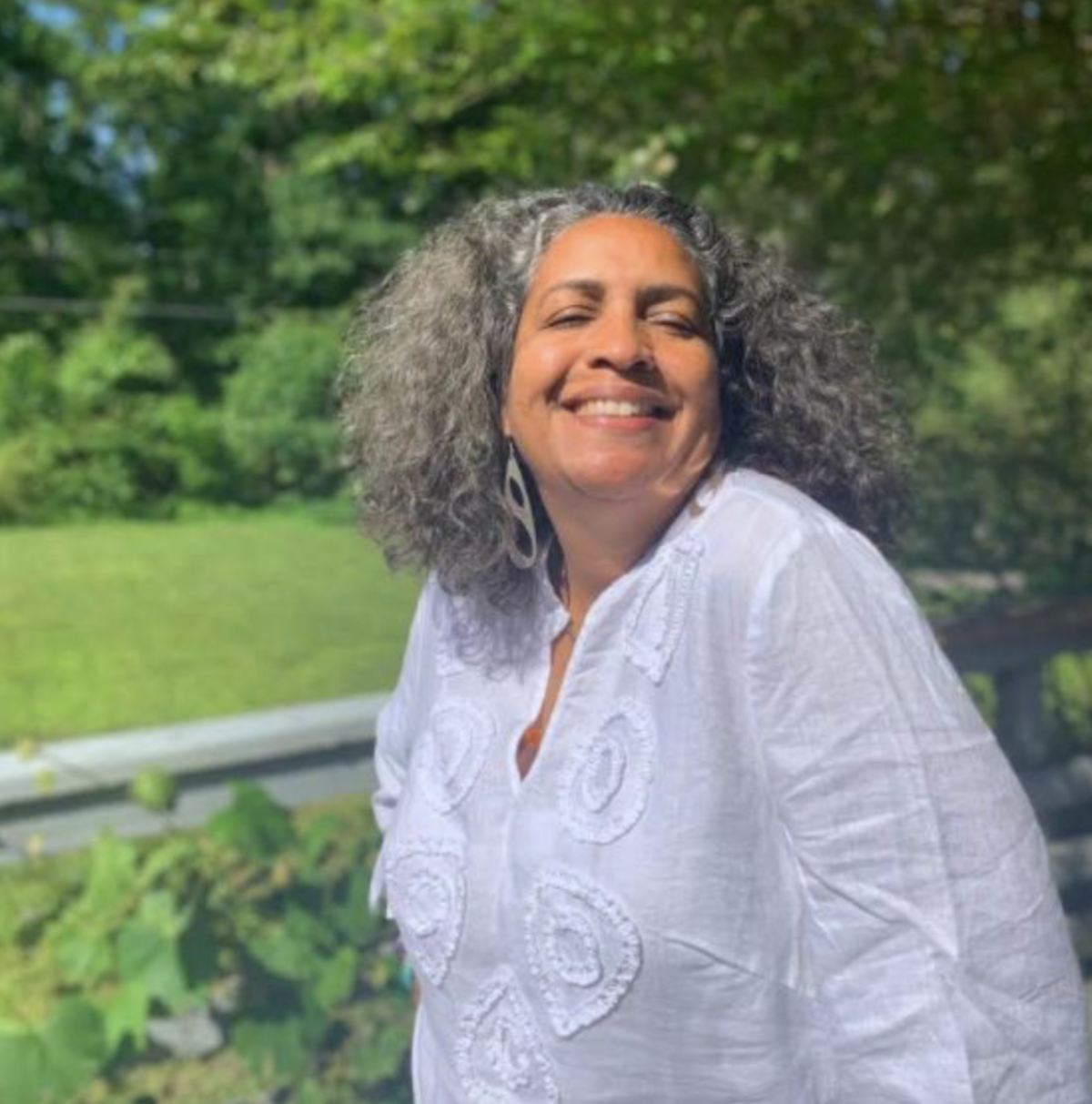
Dr. Hollee Freeman is a career educator with over 30 years of experience working in New York City, NY, Boston, MA and Richmond, VA. When she is not beekeeping in her apiary, you can find Hollee taking photographs of nature, gardening, and hiking. Hollee has written numerous book chapters and articles focused on educational reform, teaching, gender equity, and STEM. She has also written three children’s books.
Through writing, Hollee looks for connections between herself and the world. It is her sincere hope that you find joy and connection in the themes found in this (and other) books, that you ask questions and think of new ways of telling this story, other stories and of course, your OWN story.
Ariana Chariton is 24 years old and grew up in Walpole, Massachusetts. She currently lives in Grapevine, Texas. She went to college at Massachusetts College of Art and Design to be a fashion designer but instead became an illustrator.
When she was growing up, Ariana’s favorite place to go in Boston was the Museum of Science. When she got older and moved to the Roxbury/ Mission Hill neighborhood to go to college, she loved running to Jamaica Pond because it was so beautiful. She also loved going to Purple Cactus in Jamaica Plain for a burrito and a smoothie.
Ariana has always loved drawing and making art and still does. She hopes that if you enjoy drawing, you will draw your version of this story!

What's Next
- Find more Story Stops.
- Suggest a location for a Story Stop.
- These Story Stops are part of Boston Reads. Learn more about Boston Reads.
- If your family is part of Boston Saves, this story counts toward your child’s reading commitment! Boston Public Schools students in K2–3rd grade who explore books for 20 minutes a day, 20 days each month, can earn $5 every three months for their Boston Saves account.
Log in to the Savings Center. In the Exploring Books box at the bottom of the page, click on the link to fill out the current Exploring Books form. Boston Saves will add the $5 to your child’s Boston Saves account within 1-2 weeks.
Not sure if you’re a part of Boston Saves? Go here to learn more: Boston Saves.
