
Where We Live: Boston, Massachusetts Book 1
Written by Dr. Hollee Freeman
Illustrated by Ariana Chariton
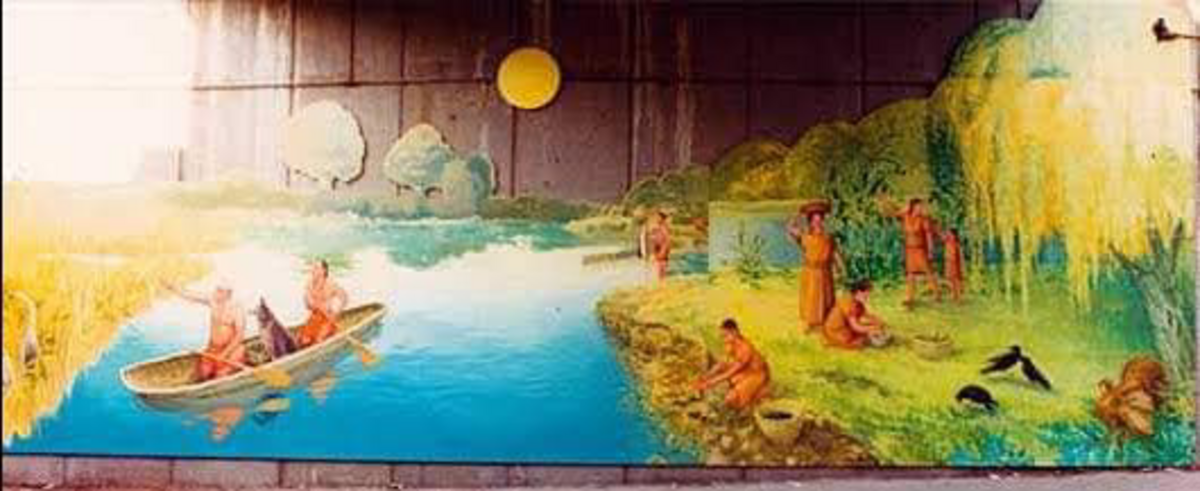
Before the 1600s
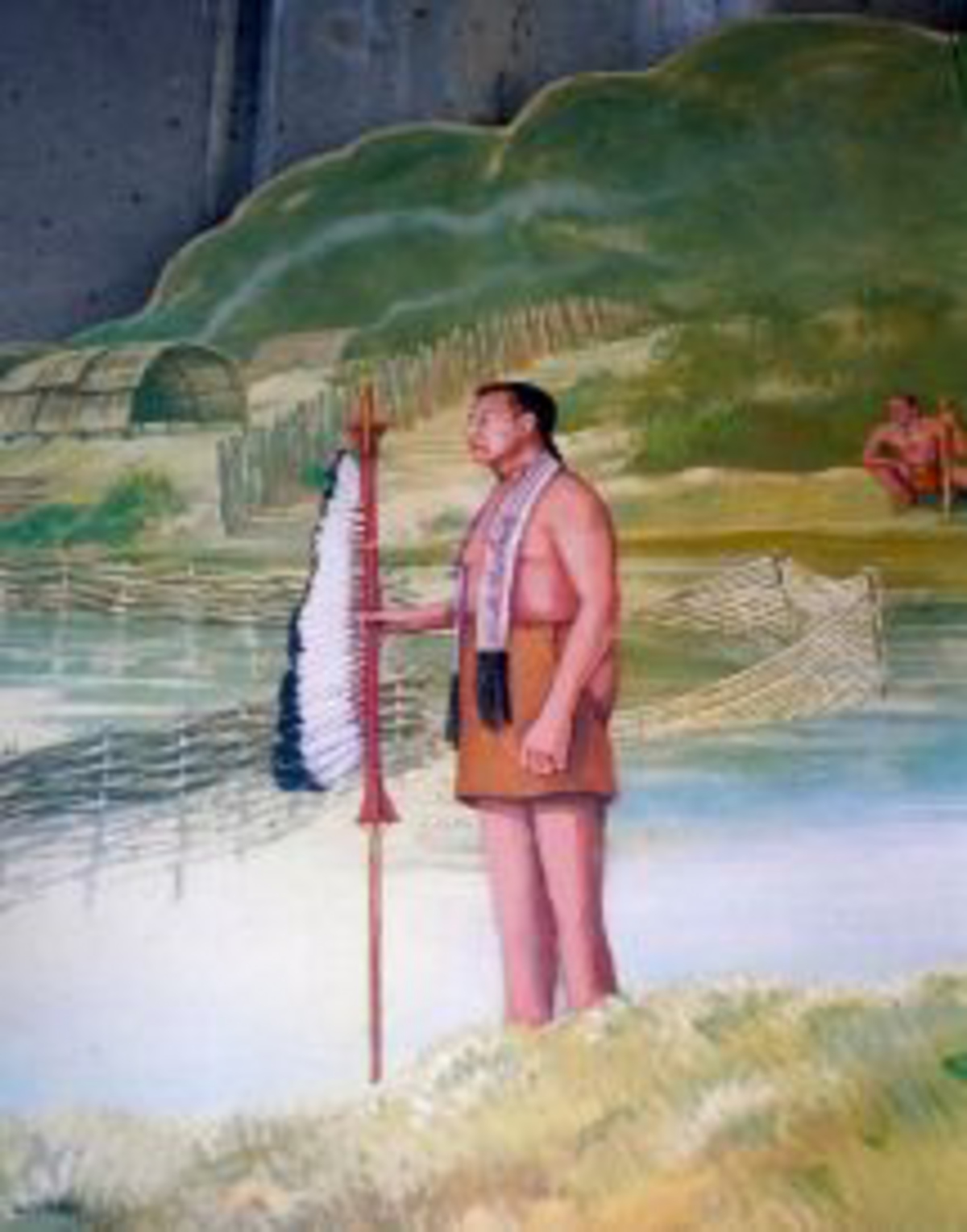
Explorers and traders from Europe became interested in the land that the Massachusett Tribe called home.
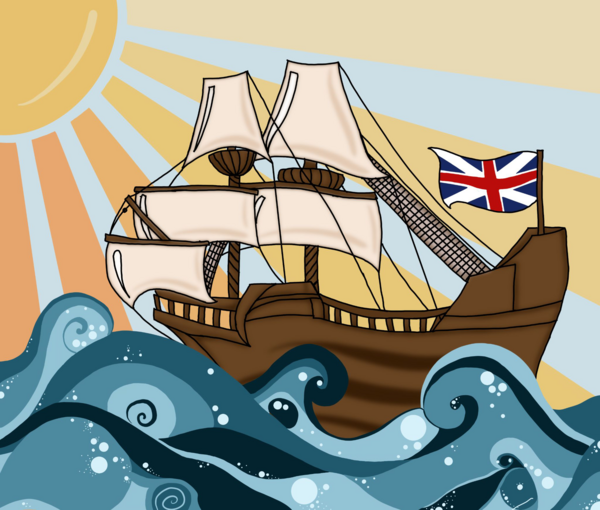
Around 1620, many people from England could not tolerate the harsh church rules in Europe. They decided it was time to migrate and start a better life in America.
The 1700s
When the Europeans arrived, they came with harmful germs and illness. The Massachusett people worked hard to protect their community from being hurt. However, many people became sick.
The European immigrants did not know how to survive on the new land. They wanted to learn, so they ordered some of the indigenous people to teach them about the land and to work for them. They forced the indigenous people to build sturdy homes, grow crops, and tend to their herds.
The Europeans also captured people living in African countries and in the Caribbean, and made them come to Boston to work. Native Americans and Africans used music, food, and other traditions to keep their customs alive. Soon there were many different cultures all living together.
The 1800s
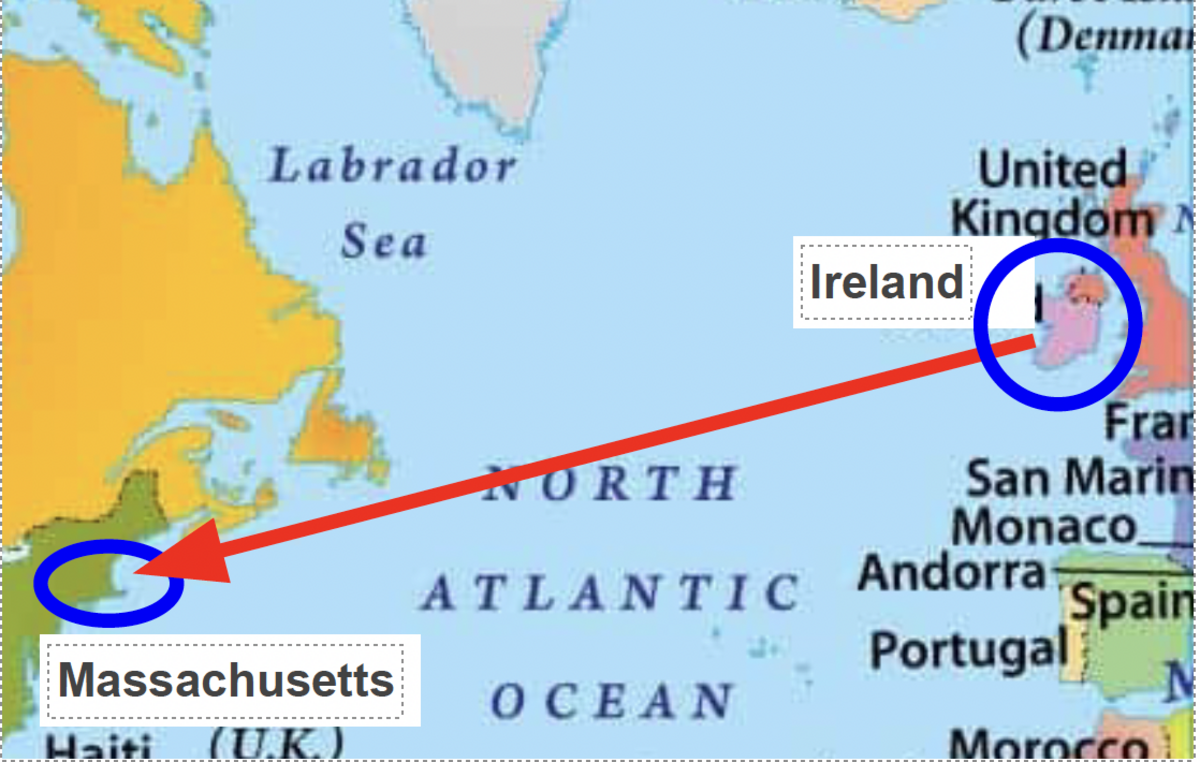
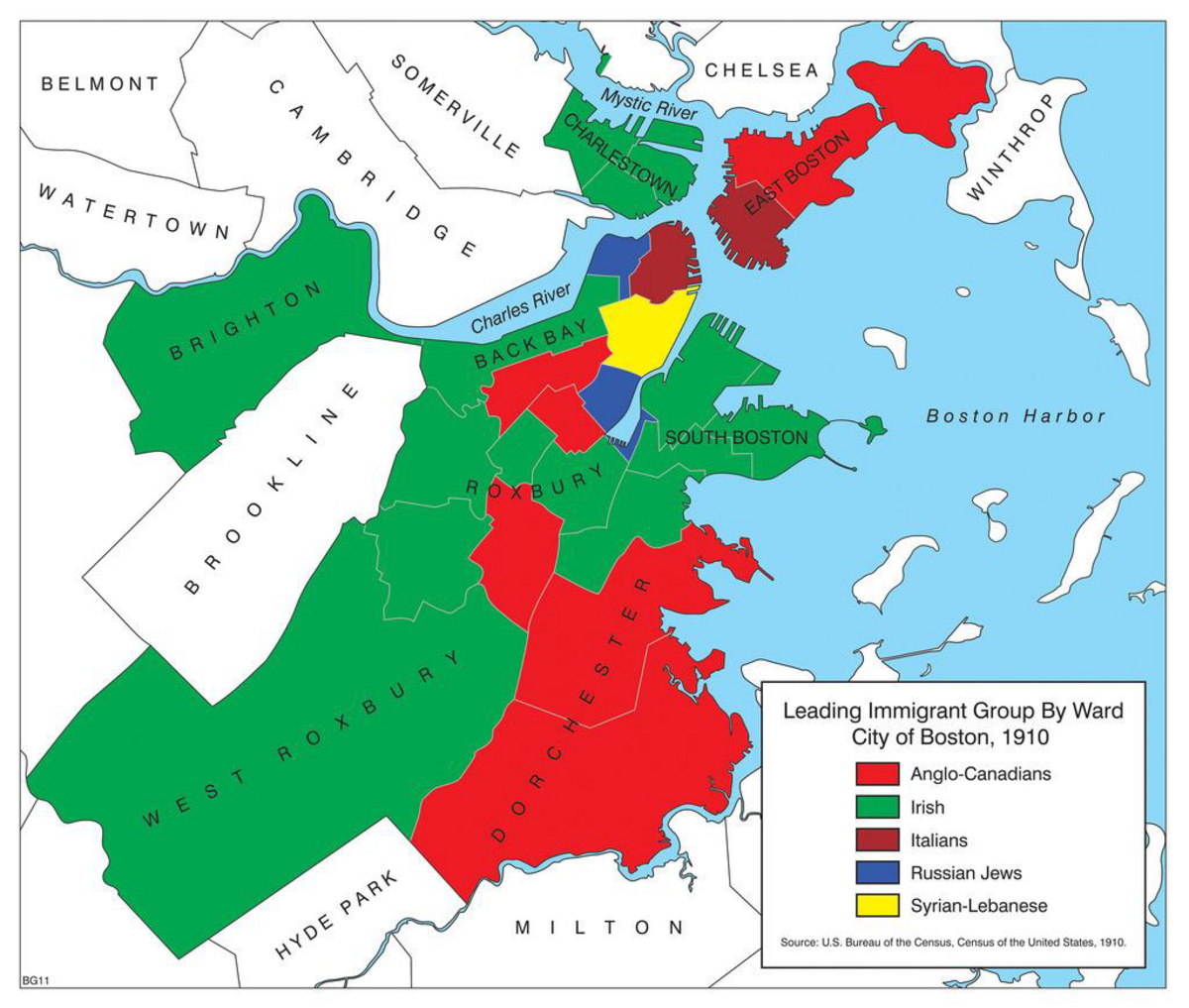
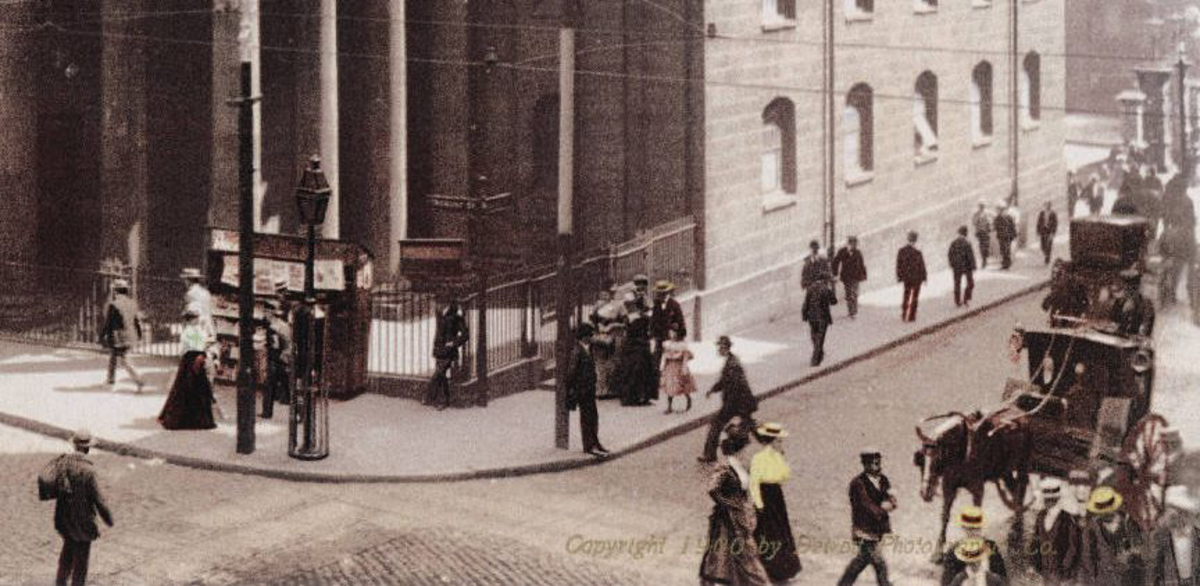
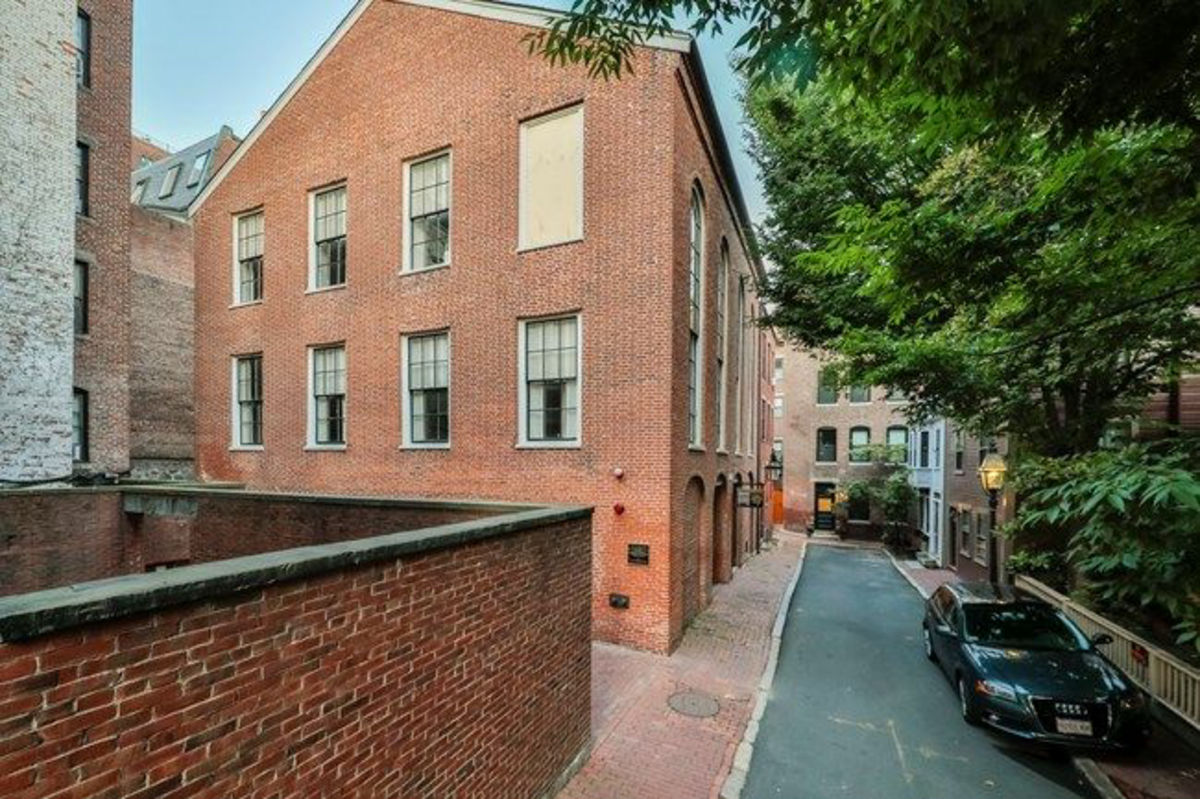
Some people did not stay in their immigrant groups. A number of immigrants and migrant groups gathered to live in the West End of the city. This part of the city turned into the most diverse part of Boston!
If you wandered through the city at that time, it was a blur of chatter, music, and food from many different cultures.
Talk about the Text
1. Why did many people from Europe migrate to Massachusetts?
2. What do we know about how the Massachusett people lived before Europeans came to this land?
3. Why do you think it is important for people to hold onto their traditions when they move to a new place?
About the Author and Illustrator
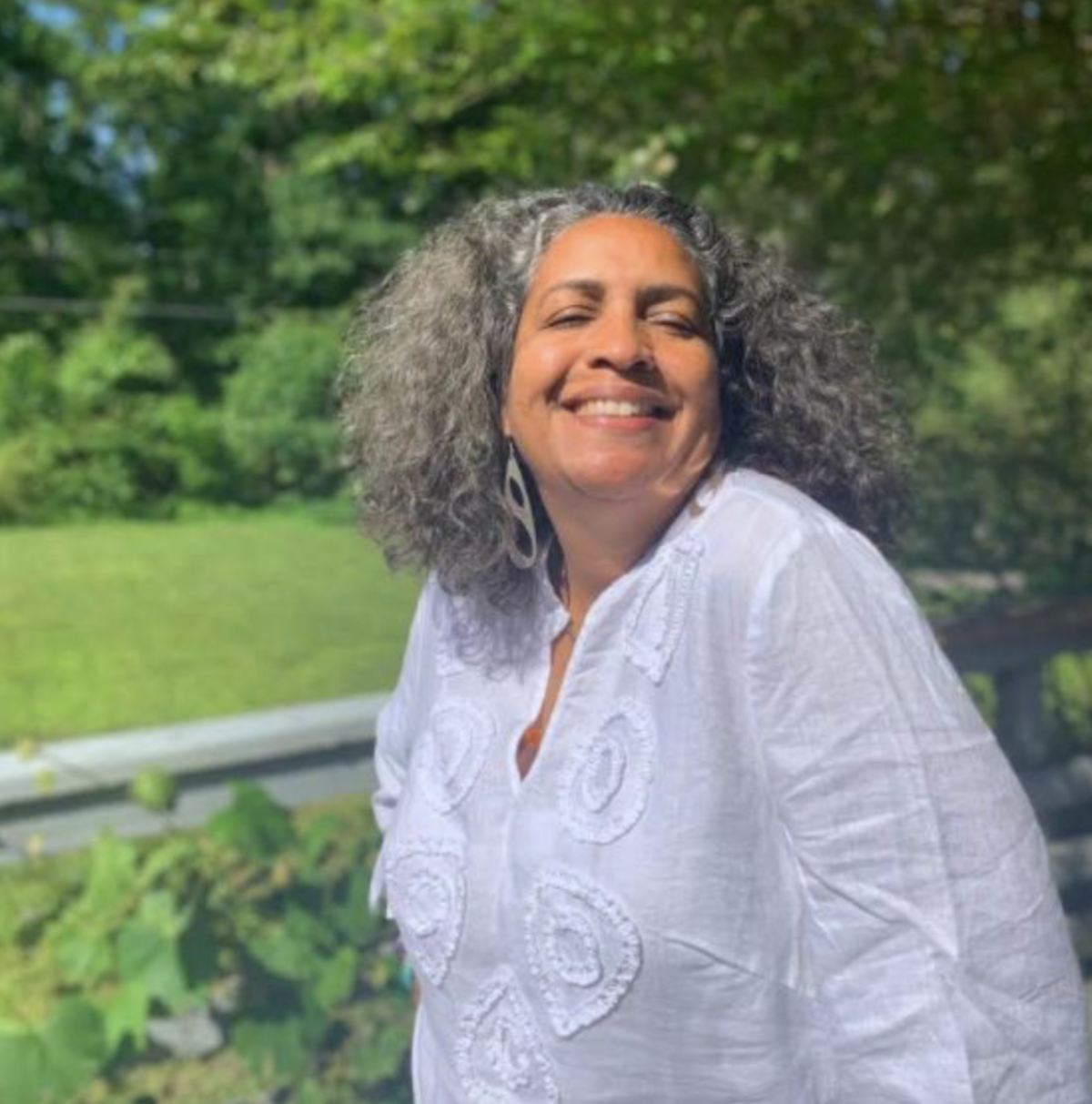
Dr. Hollee Freeman is a career educator with over 30 years of experience working in New York City, NY, Boston, MA and Richmond, VA. When she is not beekeeping in her apiary, you can find Hollee taking photographs of nature, gardening, and hiking. Hollee has written numerous book chapters and articles focused on educational reform, teaching, gender equity, and STEM. She has also written three children’s books.
Through writing, Hollee looks for connections between herself and the world. It is her sincere hope that you find joy and connection in the themes found in this (and other) books, that you ask questions and think of new ways of telling this story, other stories and of course, your OWN story.
Ariana Chariton is 24 years old and grew up in Walpole, Massachusetts. She currently lives in Grapevine, Texas. She went to college at Massachusetts College of Art and Design to be a fashion designer but instead became an illustrator.
When she was growing up, Ariana’s favorite place to go in Boston was the Museum of Science. When she got older and moved to the Roxbury/ Mission Hill neighborhood to go to college, she loved running to Jamaica Pond because it was so beautiful. She also loved going to Purple Cactus in Jamaica Plain for a burrito and a smoothie.
Ariana has always loved drawing and making art and still does. She hopes that if you enjoy drawing, you will draw your version of this story!

What's Next
- Find more Story Stops.
- Suggest a location for a Story Stop.
- These Story Stops are part of Boston Reads. Learn more about Boston Reads.
- If your family is part of Boston Saves, this story counts toward your child’s reading commitment! Boston Public Schools students in K2–3rd grade who explore books for 20 minutes a day, 20 days each month, can earn $5 every three months for their Boston Saves account.
Log in to the Savings Center. In the Exploring Books box at the bottom of the page, click on the link to fill out the current Exploring Books form. Boston Saves will add the $5 to your child’s Boston Saves account within 1-2 weeks.
Not sure if you’re a part of Boston Saves? Go here to learn more: Boston Saves.
