
Bus Stop Program
Improving the accessibility, equity, and functionality of Boston’s bus stops and policies.
We’re committed to making bus stops better, one bus stop at a time. We’re making this happen by:
- Creating Boston-specific Bus Stop Design Engineering Standards that include a toolkit of ready-to-install bus stop detail drawings
- Revising our Street Furniture Contract to add more utility and comfort to the shelters and other public amenities
- Piloting new shelter designs for narrower sidewalks
- Working with other citywide programs to add more bus stop benches
- Making sidewalk and other accessibility improvements to bus stops with the MBTA
- Conducting research with cities experiencing similar challenges to ensure compliance with national best practices
Why Focus on Bus Stops?
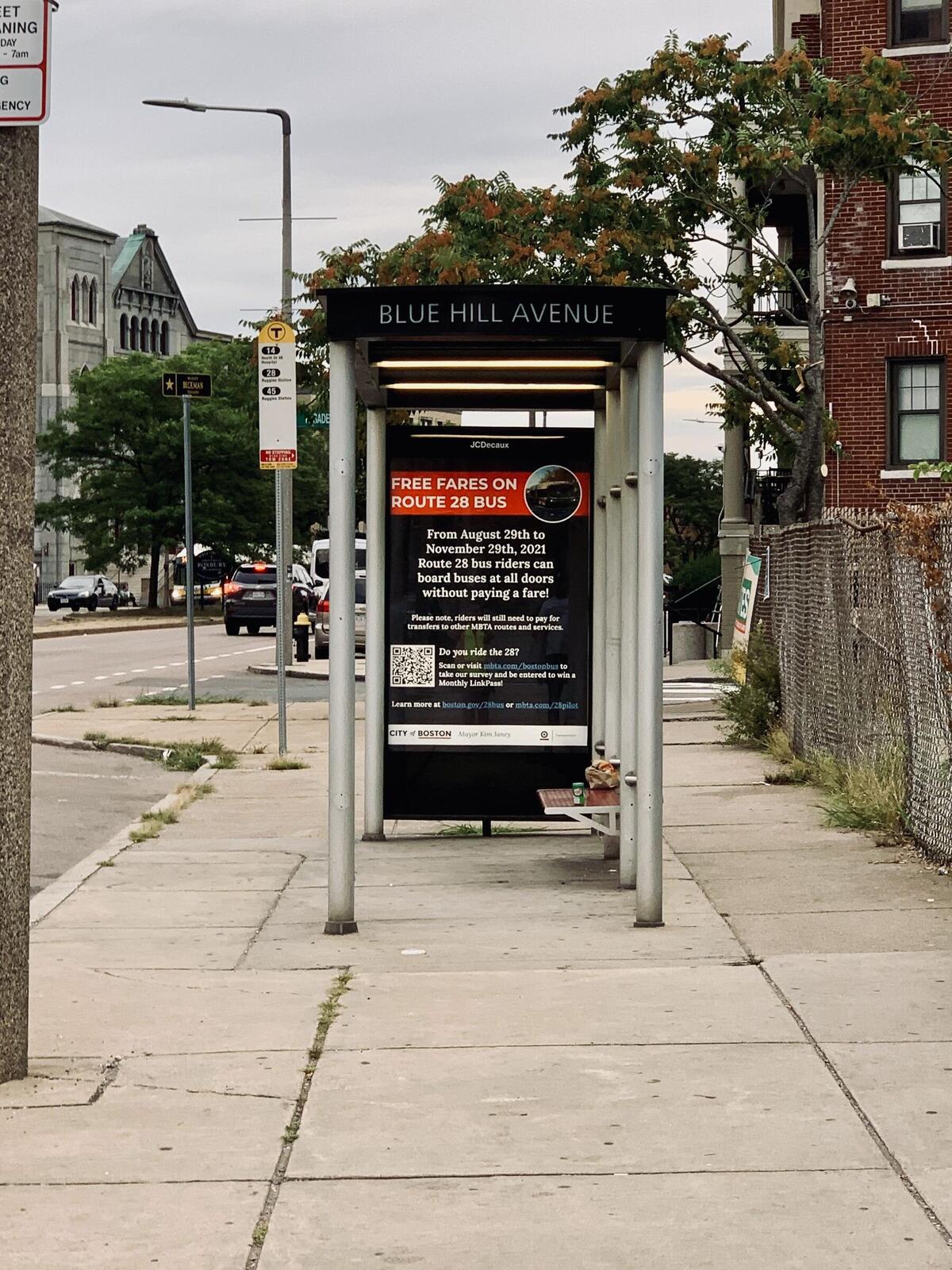
There are more than 300,000 bus boardings in the MBTA system daily with more than half the boardings happening in the City of Boston. Additionally, public and private shuttles and buses including Boston Public School Buses, AgeStrong’s Shuttle Program, and the Logan Express Airport Shuttle also use bus stops.
Bus stops are an equity issue
Some bus stops are just signs, others have custom shelters and real time arrival. We can ensure a more equitable experience for all by focusing on improving the quality of overlooked stops.
Bus stops are an accessibility issue
Every transit trip starts on the sidewalk. Accessible crosswalks, wider sidewalks, and more seating improve transit access for everyone.
Bus stops are key to bus system functionality
Thoughtful bus stop design can improve bus service by reducing travel time and increasing reliability.
What Makes a Better Bus Stop?
Bus Stop ElementsBus Bulbs
Bus bulbs extend the curb into the parking lane to reduce crossing distance and allow buses to stop without changing lanes.
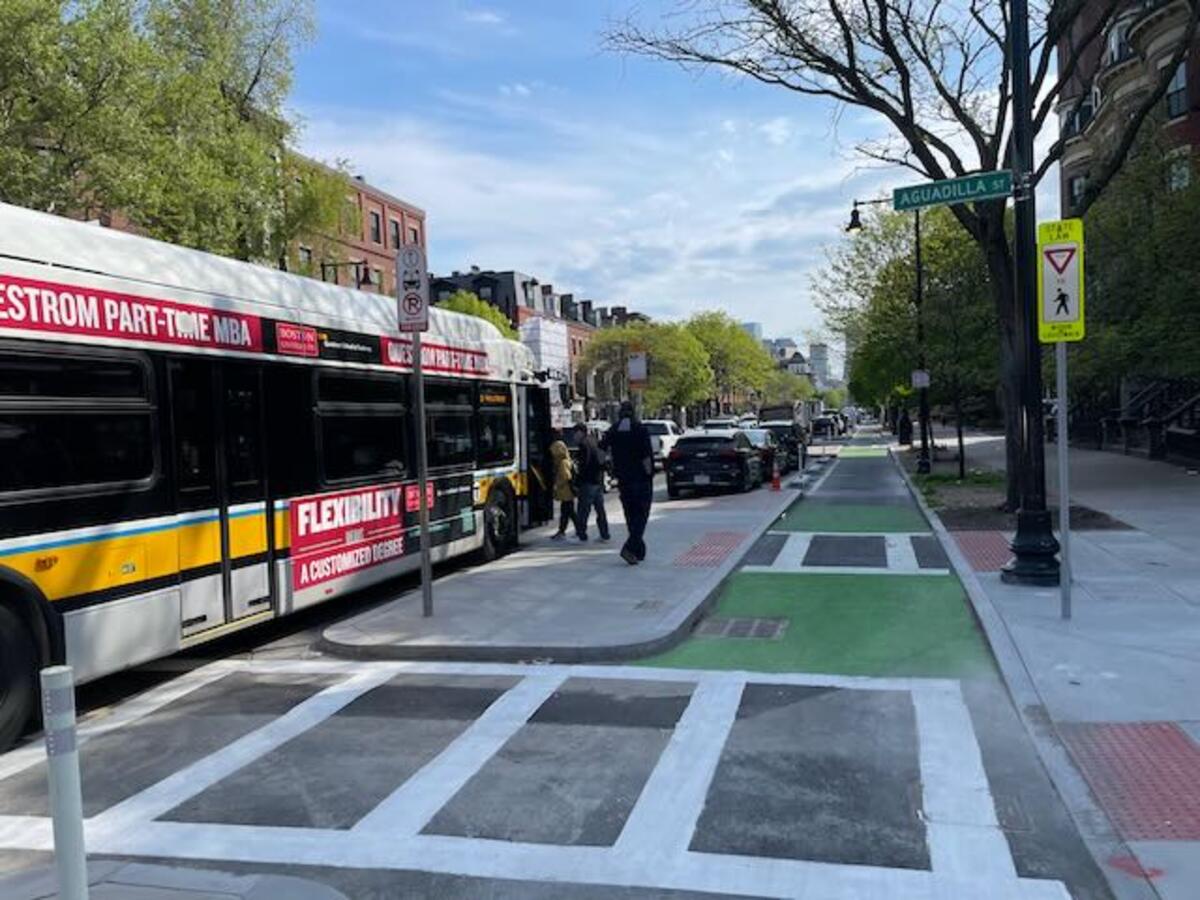
Floating Bus Stops
On streets with bike lanes, floating bus stops relocate the boarding area between the bike lane and bus lane or general-purpose travel lane. Floating bus stops allow buses to stop in-lane and protect the bike lane from conflicts with vehicles. Signage and raised crosswalks can be used to make floating bus stops safer and more accessible for bus riders.
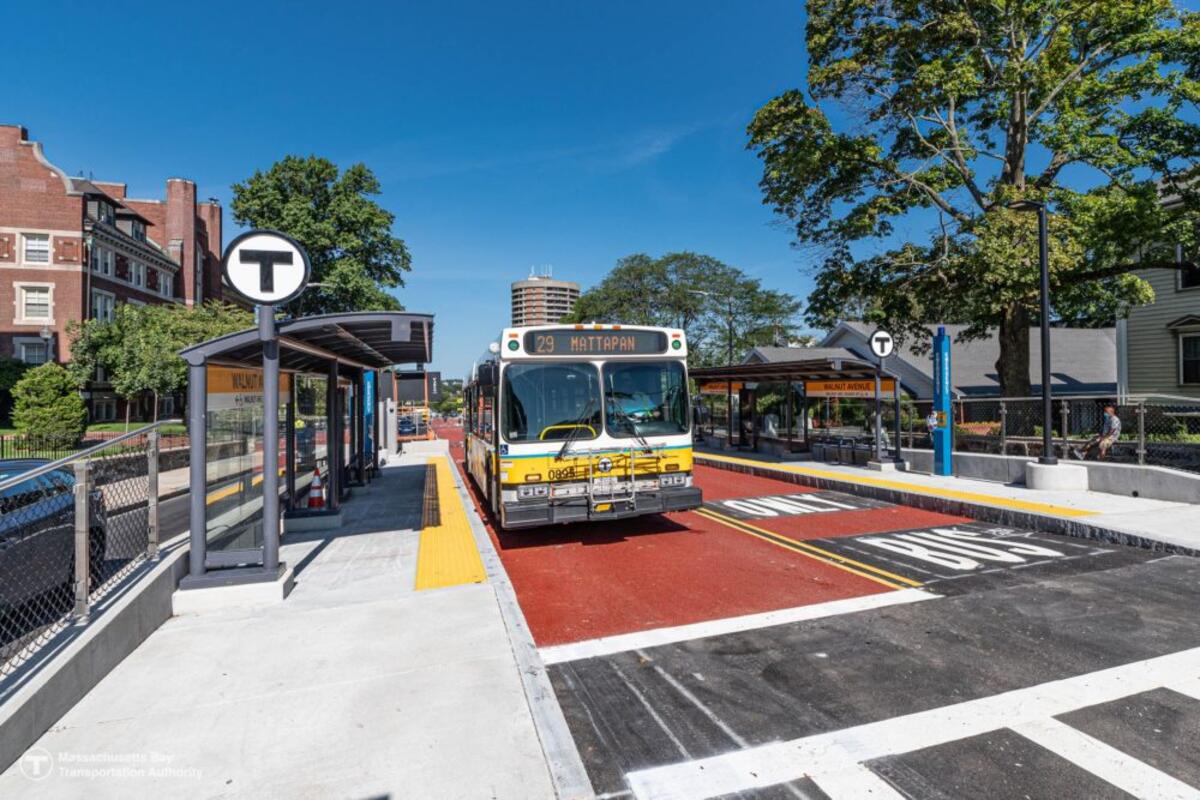
Bus Boarding islands
Bus Boarding Islands relocate bus boarding areas to medians between center-running bus lanes and general-purpose transit lanes.
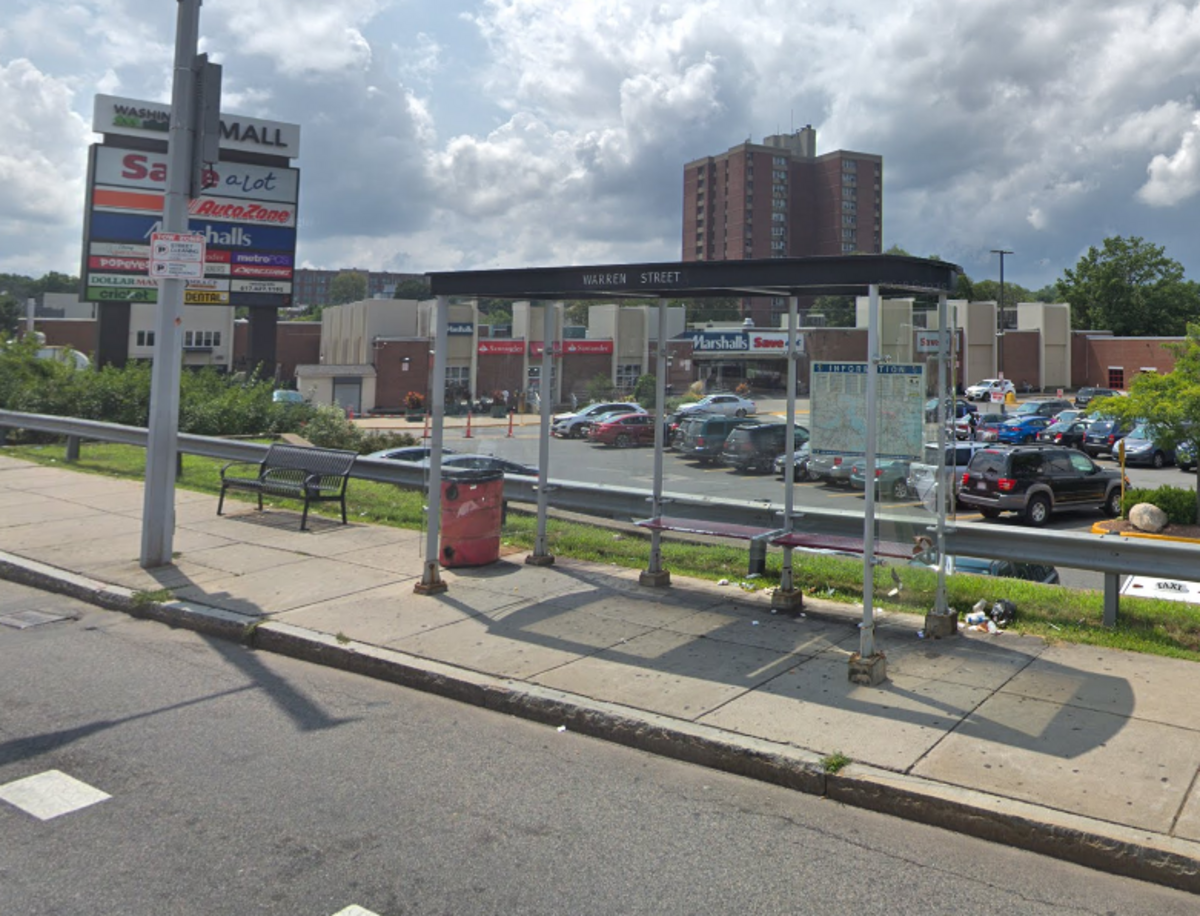
Bus shelters
Shelters protect bus riders from rain, wind, snow, and provide shade in the warm months. The only downside to bus shelters is that they don’t fit on all streets, so we’re working on including narrower options, too.
Trash and Recycling Receptacles
Trash and recycling receptacles help control litter at bus stops, particularly those with high ridership and those nearby retail and neighborhood centers.
Lighting
Adequate lighting supports rider comfort, safety, and security. It also enables bus operators and other drivers to see waiting riders.
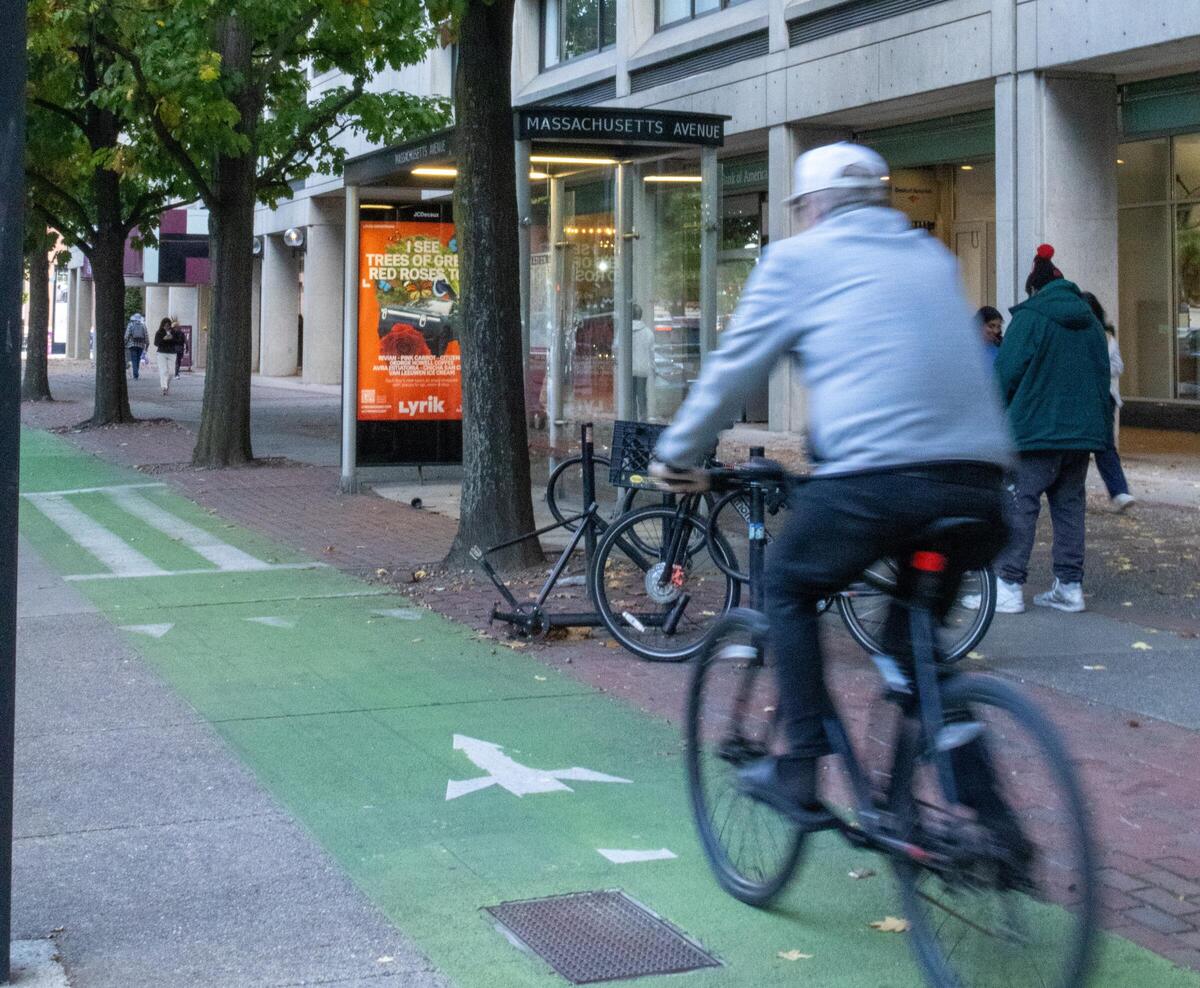
Bicycle Parking
Designated bike parking discourages people locking bicycles in areas that interfere with a rider’s path of travel or other pedestrians.
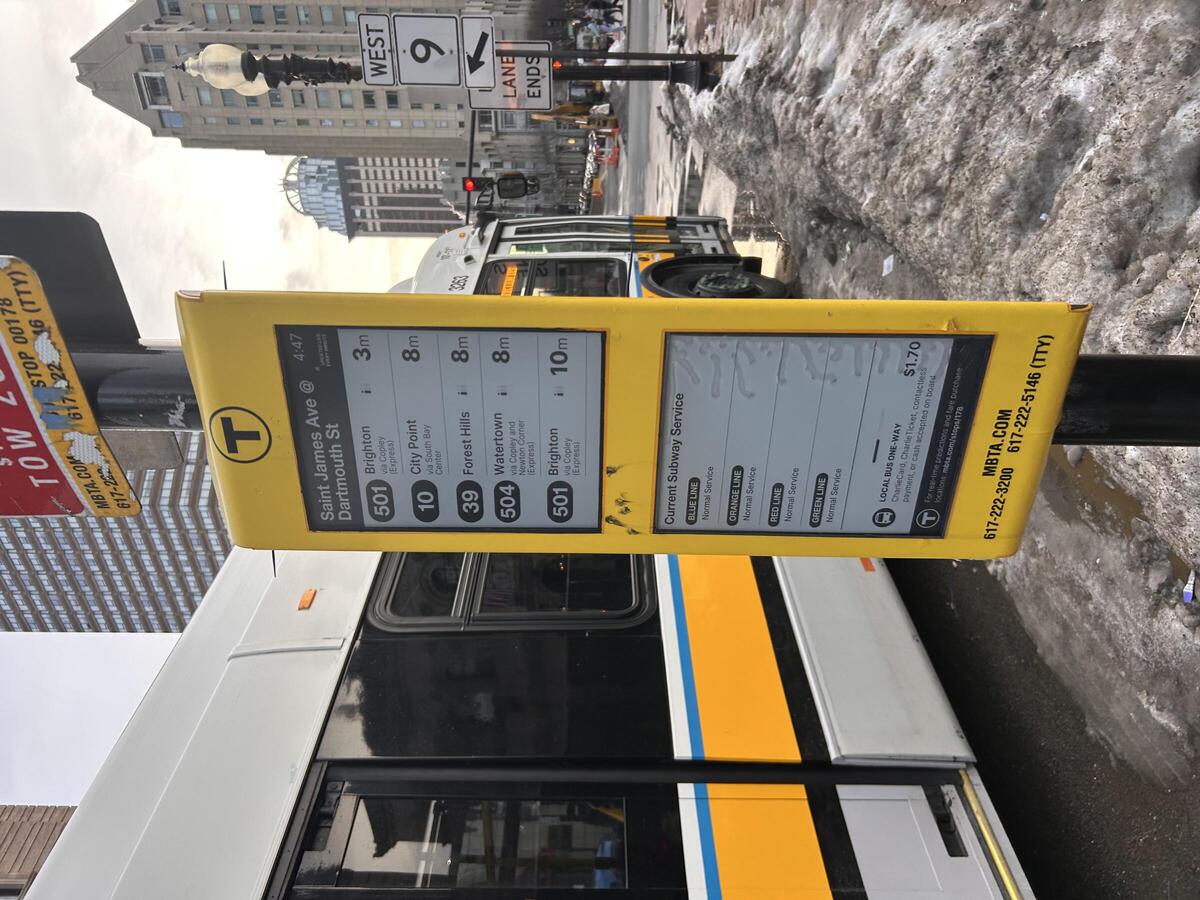
Real-time Arrival Signage
Digital real-time arrival signage provides riders with accurate information on wait time and coming buses.
Program Initiatives
Program InitiativesThe City of Boston is standardizing how we design bus stops. Bus stops may be designed by the City, MBTA, or private entities. Bus stop guidelines help make expectations clearer for everyone. Think of them like a visual checklist for a successful stop. They include:
- Dimensions for shelters, clear paths of travel, and boarding zones
- City-specific sustainability measures
- Accessibility Guidelines
Most bus shelters in the City are standard size shelters that are contracted by JCDecaux. When successful, bus shelters seamlessly integrate into the rest of the street furniture like benches and GoHub amenities. Standard shelters are often too wide for Boston’s narrow streets. By installing narrower shelters, we can still provide protection from the elements to narrow streets all over the city. There are also many places without space for shelters that can fit benches which provide people with a more comfortable waiting place.
Through our Ideas In Action participatory budgeting process, Boston residents chose to fund the installation of benches at high transit ridership bus stops in Boston. We’re working with the MBTA to add these new benches across the City at high priority locations. High priority locations are based on a combination of high ridership, environmental justice populations, and feasibility of bench installation.

