
Public Benefits of Archaeology
Archaeology grows our understanding of the past and strengthens our connection with the city.
-
Still have questions? Contact:
Archaeology
-
 201 Rivermoor Street
West Roxbury, MA 02132


Community Benefits
Community Benefits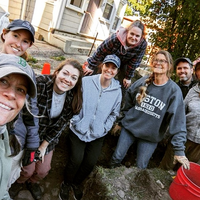
Engages the community
Public interest in our shared past has never been greater! Allowing the public onsite when possible or working archaeological displays into the final design of a new building provides a sense of context and embraces the past history of a place. This can help communities feel seen instead of erased.
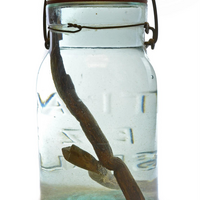
Fills gaps in Boston's history
Written history is full of holes. Our knowledge of the daily lives of most Bostonians of the past is non-existent. Archaeology helps tell the stories of people who didn’t get to write them down, like women and children, enslaved people, and Native ancestors. Archaeology is the only way we have to recover many of these stories! Destroying these sites means they never get told.
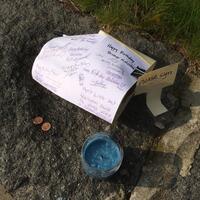
Works to dismantle harmful systems
By adding these underrepresented stories back into the narrative of Boston’s history, we prevent marginalized communities from being erased. Failure to investigate archaeologically sensitive areas allows these irreplaceable resources and the stories of those associated with them to be destroyed. This perpetuates systemic racism and the erasure of marginalized communities from Boston’s historical record.
Economic Benefits
Economic Benefits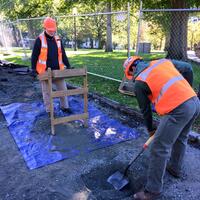
Creates Jobs
Depending on the size of the project, each contractor-conducted excavation can provide work for between 5 and 50 people, including archaeologists, GIS specialists, lab technicians, report writers, and logistics specialists. Spending in the Cultural Resource Management (CRM) industry is expected to reach $1.85 billion yearly by 20311.

Boosts Tourism
Heritage tourism is one of Boston's biggest economic drivers. In 2024, over 56.2 billion visitor spent $24.2 billion in Massachusetts2. Boston is home to some of the most fascinating and important historic and archaeological sites in the country. Boston National Parks alone, which contain some of our most significant archaeological sites, drew 2.9 million visitors in 2024 who contributed $298.8 million dollars to the local economy3.
Increases visibility
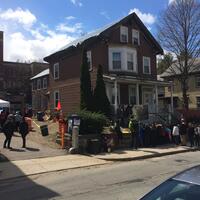
An archaeological dig is one of the most visible parts of the process and publicized excavations can draw big crowds. In less-visited neighborhoods of the city, this can bring an economic boost to local small businesses and provide opportunities for partnerships between organizations in the city. Funding an excavation can bring positive attention to a project, which can benefit both proponents and community members in the neighborhood.
-
Still have questions? Contact:
Archaeology
-
201 Rivermoor Street
West Roxbury, MA 02132
